


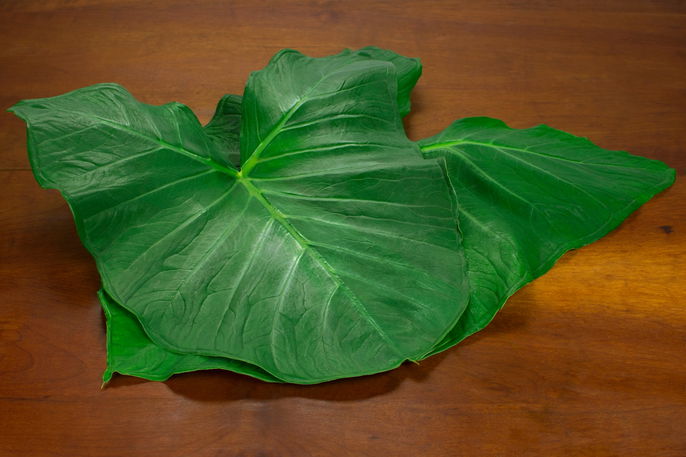
Yautia (taioba), also called taioba mansa, is a leafy vegetable packed with fiber, vitamin C, and minerals such as potassium and magnesium. These nutrients help support immune function, protect the skin from premature aging, and lower the risk of cardiovascular disease.
Even though yautia can offer health benefits, only the species Xanthosoma sagittifolium (taioba mansa) is considered safe to eat. The “taioba brava” type, known as Colocasia antiquorum, is toxic and may cause choking, burning, and swelling of the mouth and lips.
Yautia may be found at farmers’ markets and grocery stores. It should always be cooked before eating and can be added to dishes like salads, omelets, and soups.
Health benefits
The main benefits of yautia are:
1. Improving digestive function
Yautia is rich in fiber, which supports digestion and helps the intestines work more effectively. It can increase stool bulk and speed up intestinal transit, helping to relieve constipation.
2. Preventing anemia
Yautia may help prevent anemia because it contains iron, a mineral needed to form hemoglobin. Hemoglobin is the protein that carries oxygen in the blood, and low levels can contribute to anemia.
Yautia also contains folic acid, which is necessary for the formation of healthy red blood cells.
3. Improving mood
Yautia is rich in vitamin B6, which is important for the production of brain neurotransmitters such as GABA, serotonin, and dopamine. These neurotransmitters help regulate mood and may support relaxation while helping reduce feelings of anxiety, depression, and fatigue.
Some studies suggest that vitamin B6 may help support autism treatment by promoting the production of neurotransmitters in the brain.
4. Protecting against cardiovascular disease
The fiber in yautia may help reduce the absorption of dietary fats, which can contribute to lowering LDL (“bad”) cholesterol. Lower LDL cholesterol levels are linked to a lower risk of cardiovascular diseases, including heart attack and atherosclerosis.
Yautia is also rich in vitamin C, a strong antioxidant that helps reduce cellular damage and supports healthy blood vessels. Its potassium content may help lower high blood pressure, which can also reduce cardiovascular risk.
5. Improving eye health
Yautia is rich in beta-carotene, a compound that the body converts into vitamin A to support healthy vision, particularly in low-light conditions.
It also provides vitamin A directly, which may help protect the eyes and lower the risk of problems like dry eyes and night blindness.
6. Keeping bones healthy
Yautia contains calcium, phosphorus, and magnesium, minerals that help support bone strength and density. This may help reduce the risk of conditions such as osteoporosis, osteopenia, or rickets.
7. Strengthening the immune system
Yautia is a good source of folic acid and vitamins A, B, and C, which help the body produce white blood cells. These cells play a crucial role in preventing and fighting infections, thereby strengthening the immune system.
8. Slowing the aging process
Yautia contains beta-carotene and vitamins A and C, which are powerful antioxidants that help fight free radicals linked with skin aging. Vitamin C can also support collagen production in the skin, which may reduce sagging and the appearance of wrinkles and fine lines.
Vitamin A also helps protect the skin from damage caused by ultraviolet (UV) rays from the sun.
9. Helping manage thyroid problems
Yautia contains copper, a mineral that helps balance thyroid hormone levels. This may help manage or prevent thyroid conditions such as hyperthyroidism or hypothyroidism.
Nutrition facts
The table below lists the nutrients found in 100 g of cooked yautia.
To gain the full benefits of yautia, it’s important to also maintain a healthy, balanced diet and exercise regularly.
How to consume
Yautia has a flavor similar to spinach and can be used in many recipes, such as pies, sautéed dishes, cakes, soups, or stews.
Only taioba mansa, which has light green stems and leaves and a line pattern along the entire edge, can be eaten. Taioba brava, which has dark green leaves and purple stems, is toxic.
Because it contains oxalate, which can contribute to kidney stone formation when consumed in excess, yautia should only be eaten cooked or sautéed.
Also recommended: 20 High Oxalate Foods (& How to Reduce In Your Diet) tuasaude.com/en/high-oxalate-foodssHealthy recipes
Some healthy and tasty yautia recipes are:
1. Sautéed yautia
Ingredients:
-
2 yautia leaves and stems, washed;
-
1 clove garlic, chopped;
-
1 tablespoon olive oil;
-
Salt to taste.
Directions:
Peel the yautia stems and chop the leaves and stems. In a pan, add the olive oil, garlic, and salt; when the garlic is golden, add the yautia and sauté. Let it cool slightly and serve.
2. Yautia juice
Ingredients:
-
1 small cucumber, washed, peeled, and chopped;
-
3 tablespoons yautia, washed, chopped, and cooked;
-
Juice of 1 medium orange;
-
1 tablespoon honey.
Directions:
Cook the yautia with a little water. Then blend all ingredients in a blender and drink.