


- Neck growths that look like warts can be true warts or other skin lesions.
- Warts or wart-like bumps that itch, swell, hurt, or become red should be assessed by a doctor.
- Rough, painful, fast-growing, or sun-exposed lesions should be checked by a dermatologist.
Warts on the neck can sometimes be true warts, such as filiform warts, but other wart-like lesions may also appear in this area, including skin tags, seborrheic keratosis, or molluscum contagiosum.
Depending on the cause, these lesions may be accompanied by symptoms such as itching, redness, swelling, or pain in the area.
If you notice warts or wart-like lesions on your neck, you should see a dermatologist or primary care provider for proper diagnosis. Treatment may include topical medications, such as creams or gels containing salicylic acid, as well as in-office procedures like cryotherapy, depending on the diagnosis.
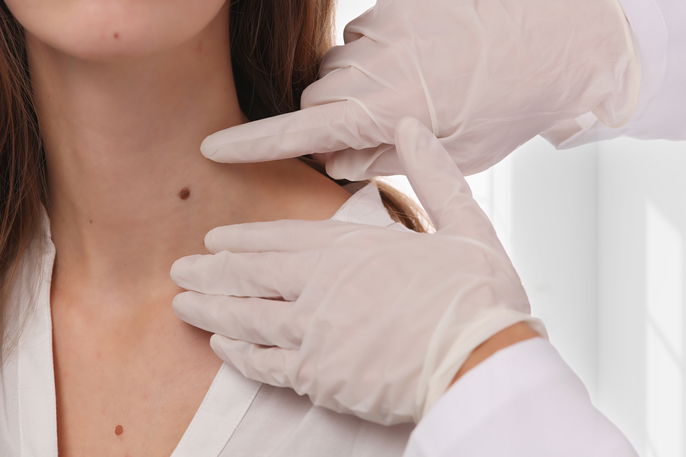
Main causes
The main causes of wart-like lesions on the neck are:
1. Skin tags
A skin tag, also called an acrochordon, is a small growth on the neck that may grow quickly. It usually does not cause symptoms and is most often benign.
Skin tags may be related to genetic factors or insulin resistance. They are most commonly seen in people with diabetes or metabolic syndrome.
What to do: Skin tags usually do not require treatment. However, in some cases, a dermatologist may remove a skin tag with a simple surgical procedure or cryotherapy, which involves applying liquid nitrogen to the growth so that it falls off within about 1 week.
2. Filiform warts
A filiform wart is a type of skin growth that can cause warts on the neck with a long, thread-like or finger-like shape. These warts can also appear on the eyelids, lips, nose, or chin.
Filiform warts, like other types of warts, are caused by human papillomavirus (HPV). They can spread through direct contact with the wart, especially when the virus enters through skin that is dry, scratched, injured, or affected by ingrown nails.
What to do: Treatment for filiform warts may include creams or ointments containing salicylic acid, which should be prescribed or recommended by a dermatologist and applied directly to the wart.
According to the American Academy of Dermatology, dermatologists may also treat filiform warts with cryosurgery and prescribe salicylic acid for at-home use.
In addition, some home remedies for warts, such as applying duct tape or tea tree oil directly to the lesion, may help remove a filiform wart.
3. Molluscum contagiosum
Molluscum contagiosum is an infection that causes small, round, skin-colored or red bumps that may look like warts on the neck. These bumps may itch or become swollen.
What to do: According to the American Academy of Dermatology, dermatologists may treat molluscum contagiosum with cantharidin, cryosurgery, curettage, or pulsed dye laser therapy.
These treatments may help prevent the virus from spreading to others, prevent new lesions from appearing, or improve the appearance of the skin.
4. Seborrheic keratosis
Seborrheic keratosis is a benign skin lesion that may be brown or black and can look like warts on the neck, head, chest, or back.
Seborrheic keratosis lesions are caused by the multiplication of immature keratinocytes, which are cells found in the outer layer of the skin that help protect the skin and maintain its strength and elasticity. These lesions are more common in people over 50.
What to do: Seborrheic keratosis usually does not need treatment. However, a dermatologist may recommend treatments such as cryotherapy or chemical cauterization, especially if the lesions itch, hurt, become inflamed, or cause cosmetic discomfort.
5. Keratoacanthoma
Keratoacanthoma is a type of benign skin tumor that causes wart-like lesions. These may appear on the neck, lips, nose, scalp, or another area that is more exposed to the sun.
This type of lesion is round, pink or skin-colored, and grows quickly until it forms a lump with a central keratin plug. This can give it a volcano-like appearance.
What to do: Treatment is usually done with surgical excision of the keratoacanthoma. After removal, the lesion is sent for analysis. The doctor may also recommend curettage or Mohs micrographic surgery.
6. Squamous cell carcinoma
Squamous cell carcinoma is a type of cancer that develops in the most superficial layer of the skin. It can cause rough lesions that may hurt and look like warts on the neck, face, arms, or legs.
Squamous cell carcinoma of the skin mainly occurs due to long-term sun exposure or frequent use of tanning beds.
What to do: Treatment recommended by the doctor may include Mohs surgery, which removes the visible part of the tumor, excisional surgery, in which all cancerous tissue and an area around the lesion are removed, or radiation therapy.
