


Tinea versicolor is a common skin infection caused by the fungus Malassezia furfur. It leads to patches of lighter or darker skin, often on the chest, back, or arms, and may cause mild itching. While not contagious or serious, it can be persistent without proper treatment.
Treatment for tinea versicolor typically involves antifungal medications, which may come as creams, lotions, sprays, or pills. These medicines work by stopping the fungus from growing on the skin, helping restore normal color and texture.
A dermatologist or primary care doctor should recommend the best treatment based on the severity and extent of the infection. Along with medical therapy, simple skin care habits like keeping the skin clean and dry and avoiding excess heat or sun exposure can help prevent recurrence.
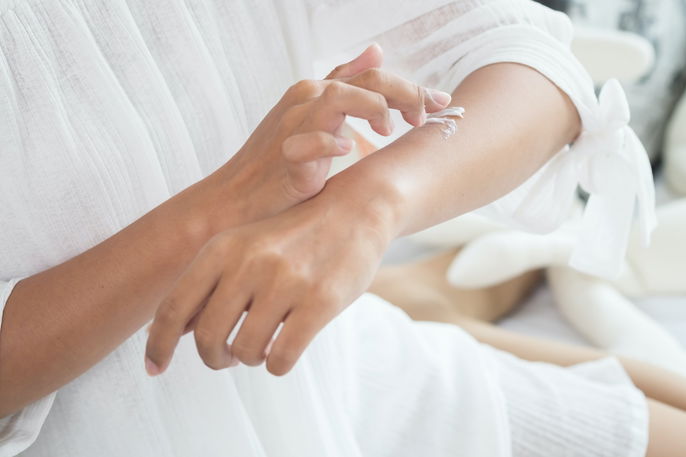
Medications for tinea versicolor
The main medications a dermatologist may prescribe for tinea versicolor include topical and oral antifungal options.
1. Creams for tinea versicolor
Antifungal creams are usually the first treatment option, as they help eliminate the Malassezia furfur fungus from the skin and relieve symptoms.
Commonly used creams include:
-
Ketoconazole 2% cream (Nizoral), once daily for about 4 weeks
-
Clotrimazole 1% cream (Lotrimin), 2 to 3 times daily for 1 to 3 weeks
-
Econazole nitrate 1% cream (Spectazole), once daily for 2 to 4 weeks (FDA-approved substitute for isoconazole and fenticonazole)
-
Miconazole nitrate 2% cream (Micatin), twice daily for 2 to 5 weeks
-
Ciclopirox olamine 1% cream (Loprox), twice daily for 2 weeks
-
Terbinafine hydrochloride 1% cream (Lamisil), 1 to 2 times daily for 2 weeks
-
Oxiconazole nitrate 1% cream (Oxistat), once daily at night for at least 3 weeks
Creams should be applied to clean, dry skin over the affected area and surrounding regions for as long as directed by the doctor. Treatment should continue until the patches fade, which usually takes 1 to 4 weeks. Doctors often recommend continuing treatment for an additional 1 to 2 weeks after symptoms disappear to prevent recurrence.
2. Antifungal lotions or topical solutions
Antifungal lotions or solutions are another topical treatment option and may be prescribed depending on the patient’s needs.
Commonly recommended products include:
-
Ciclopirox 10 mg/mL lotion (Loprox), twice daily for 2 weeks
-
Miconazole nitrate 20 mg/mL lotion, twice daily (morning and night) for 2 to 5 weeks
-
Oxiconazole nitrate 10 mg/mL topical solution (Oxistat), once daily at night for at least 3 weeks, applied with a cotton swab or ball
-
Clotrimazole 10 mg/mL solution or spray (Lotrimin), 2 to 3 sprays twice daily or 2 to 3 drops 2 to 3 times daily for 1 to 3 weeks
These topical treatments should always be used under a dermatologist’s supervision and for the full duration of treatment, even if symptoms improve early.
3. Oral antifungal medications
Oral antifungal pills may be prescribed when the affected area is extensive or if the person has a weakened immune system.
The most commonly prescribed options include:
-
Fluconazole 150 mg capsules (Diflucan), 150 to 300 mg orally once a week for 2 to 4 weeks
-
Itraconazole 100 mg capsules (Sporanox), 200 mg orally once daily for 7 days
In some cases, doctors may recommend combining oral and topical treatments to enhance effectiveness.
How to speed up treatment
To help tinea versicolor clear faster, it’s important to:
-
Wash and dry the affected skin thoroughly before applying any medication
-
Avoid sweat or oil buildup on the skin
-
Refrain from using oily lotions or creams
According to the American Academy of Dermatology, protecting skin from the sun and avoiding tanning during treatment can help prevent contrast that makes patches more noticeable and support a more even skin tone as it recovers.
As the infection improves, the skin tone gradually evens out, and early results can often be seen within a week. However, some discoloration may remain temporarily even after the infection has healed. As the infection improves, the skin tone gradually evens out, and early results can often be seen within a week. However, some discoloration may remain temporarily even after the infection has healed.
Home remedies for tinea versicolor
A simple home remedy sometimes used alongside medical treatment is washing the affected skin with cassava leaf tea. Another supportive option is a diluted baking soda solution, which may help reduce oil and surface fungi.
These remedies should only complement medical treatment and not replace antifungal medications prescribed by a healthcare professional.