


Thigh pain, or thigh myalgia, is a common issue that can happen after intense physical activity, a muscle injury, or even a direct hit to the area. It may affect the front, back, or sides of the thigh and is often linked to overuse or nerve irritation.
In most cases, the pain goes away with rest. However, if you notice bruising, swelling, or the area becomes unusually hard, you may need physical therapy to help with stretching, movement, and daily activities.
Thigh pain can have many causes, ranging from temporary muscle strain to nerve or joint problems. Understanding what’s behind the discomfort helps determine the best treatment and when to see a doctor.
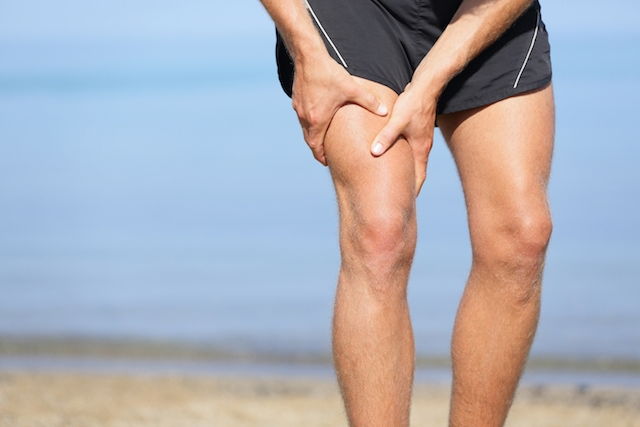
What does thigh pain mean?
Thigh pain can be caused by several different conditions, such as:
1. Intense workouts
Leg workouts are one of the most common reasons for thigh pain. It often appears within 1 to 2 days after exercising and can affect the front, side, or back of the thigh depending on the type of workout.
This pain is especially common when changing workout routines or adding new exercises. It’s also more likely if you haven’t trained in a while or are just getting started. Cycling or other strenuous leg activities can also trigger thigh pain.
What to do: Rest your legs the day after an intense workout and avoid exercises that target the thighs. Stretching after training or as guided by a fitness professional can help reduce soreness. Even if there’s some pain, it’s important to keep exercising regularly to prevent future soreness from the same type of activity.
2. Intense walking
Walking for long periods can cause muscle fatigue, leading to pain in the thighs and calves.
What to do: Gently massage the muscles, take a warm bath, and drink calming herbal teas like chamomile to help muscles relax. If the pain is severe, your doctor may recommend an anti-inflammatory or pain reliever.
3. Muscle injury
Muscle injuries such as strains, tears, or spasms can cause thigh pain. These injuries may result from overexertion, sudden movements, muscle fatigue, improper training equipment, or prolonged effort.
They can cause muscle tightness, fiber tears, pain, weakness, or limited range of motion.
What to do: If you suspect a muscle injury, rest the area. Apply cold compresses for a strain or warm compresses for muscle tightness. See your doctor, who may prescribe an anti-inflammatory medication to relieve pain. Physical therapy can also help with relaxation and recovery.
4. Direct blow to the thigh
A direct hit to the thigh during sports or an accident can cause pain, swelling, or bruising.
What to do: Apply ice to the area for 20 minutes at least twice a day. Depending on the severity of the injury, your doctor may recommend rest and anti-inflammatory medications to ease pain and swelling.
5. Meralgia paresthetica
Meralgia paresthetica happens when the nerve running along the outer thigh becomes compressed, causing burning pain, tingling, and numbness.
It tends to worsen after standing or walking for long periods. This condition is more common in men but can also affect people who wear tight clothing, pregnant women, or those who’ve suffered a side impact on the thigh.
What to do: Treatment focuses on symptom relief. Doctors may prescribe pain relievers or anti-inflammatory medications. Massage therapy or physical therapy may also be recommended.
6. Sciatica
Sciatica can cause pain in the back of the thigh, as the sciatic nerve runs from the lower back down through the thighs and legs.
When inflamed, it can cause pain, tingling, burning, weakness, and difficulty walking.
What to do: See a doctor for evaluation. Treatment may include medications for pain and inflammation, topical creams, and physical therapy sessions with sciatica stretches.
7. Peripheral artery disease (PAD)
PAD causes the arteries in the arms and legs to narrow, reducing blood flow and leading to cramping, numbness, or thigh pain after exercise. Skin color changes and leg wounds can also occur.
According to the Centers for Disease Control and Prevention (CDC), PAD is most often caused by a buildup of fatty plaque in the arteries, which reduces circulation and can lead to leg pain during walking or exercise.
What to do: Lifestyle changes like quitting smoking, eating a balanced diet, and exercising regularly can improve circulation. Depending on the case, your doctor may prescribe medication to relieve pain, prevent blood clots, or manage the underlying condition.
8. Piriformis syndrome
Piriformis syndrome is a rare condition in which the sciatic nerve passes through the piriformis muscle in the buttock, causing constant pressure and inflammation.
What to do: See an orthopedic doctor, as surgery is rarely recommended due to scarring and potential complications. Physical therapy and stretching techniques can help reduce pain and improve mobility.
9. Osteoarthritis
Osteoarthritis, or arthrosis, is a chronic degenerative joint disease that causes cartilage breakdown.
When it affects the hip or knee, it can lead to pain in the front or inner thigh, sometimes even at rest.
What to do: Doctors may recommend pain relievers such as acetaminophen (Tylenol) and hyaluronic acid injections to reduce discomfort. Physical therapy, maintaining a healthy weight, and following an anti-inflammatory diet are also beneficial.
10. Fibromyalgia
Fibromyalgia causes widespread tender points throughout the body that feel sore, burning, or throbbing.
These points often occur on the front of the thighs, above the knees, and near the buttocks.
What to do: Treatment may include medications such as tricyclic antidepressants or serotonin-norepinephrine reuptake inhibitors (SNRIs), prescribed by an orthopedic doctor or rheumatologist. Read more about fibromyalgia medications that your doctor may recommend.
Exercise, physical therapy, acupuncture, and behavioral therapy can also help manage symptoms.
11. Sedentary lifestyle
A sedentary lifestyle can lead to weak muscles and localized pain, especially in areas like the thighs.
What to do: Try to exercise for at least 30 minutes a day. The pain may be stronger at first, but it usually decreases as the muscles strengthen.
12. Trochanteric bursitis
Trochanteric bursitis is inflammation of the bursa near the outer hip, causing pain in the hip and along the outer thigh.
It’s also known as greater trochanteric pain syndrome or hip bursitis.
What to do: Treatment is guided by an orthopedic doctor and may include rest, anti-inflammatory medications like ibuprofen, and physical therapy. Strengthening the leg and glute muscles helps prevent recurrence. Applying ice can also ease discomfort.