


Tapioca is a starch that supports physical and mental energy while helping preserve muscle mass. It contains a good amount of carbohydrates, which are essential for providing energy to the brain and muscles.
Derived from cassava, tapioca can support weight loss when consumed in moderation and combined with lean proteins like white cheese or eggs, and seeds like chia or flaxseed. These combinations help increase satiety and reduce hunger throughout the day.
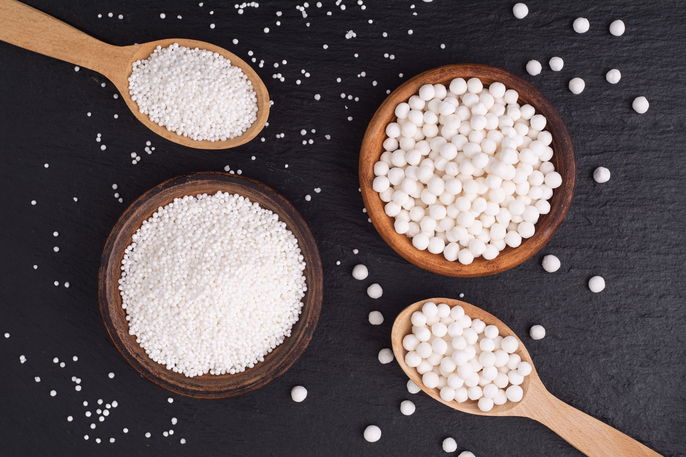
There are different types of tapioca, such as starch (also called “goma”), flour, pearls, and sago. These are available in markets, grocery stores, and health food shops and can be used in recipes like cakes, cookies, breads, couscous, pizza, puddings, and cheese breads.
Health benefits of tapioca
1. Boosts energy
Tapioca helps improve physical and mental energy by providing a good supply of carbohydrates to muscles and the brain. This makes it a good option for pre- or post-workout meals and for people with physically demanding routines, such as construction workers or mail carriers.
Also recommended: 10 Foods That Give You Energy (& How to Consume Them) tuasaude.com/en/foods-that-give-you-energy2. May support weight loss
Because it contains resistant starch that slows digestion and helps reduce appetite, moderate consumption of tapioca can support weight loss when included in a healthy diet and combined with regular physical activity.
3. Helps preserve muscle
Tapioca is a good source of carbohydrates, which are important for maintaining muscle mass. Without enough glucose, the body may break down muscle tissue into amino acids to produce glucose, leading to muscle loss.
4. Easy to digest
Tapioca is easy to digest and can be included in low-residue or light diets, especially for people with digestive conditions like reflux, gastritis, or stomach ulcers, as long as it is prepared without added fats or sugars.
Because of its smooth digestion, tapioca is also suitable for babies starting complementary feeding.
5. Suitable for people with celiac disease
Tapioca is naturally gluten-free and can be used as an alternative to wheat, barley, rye, and malt in gluten-free recipes like pizza, breads, cakes, and desserts. Read more about the celiac disease diet and what foods you should avoid.
Can people with diabetes eat tapioca?
Tapioca can be consumed by people with diabetes, but due to its high glycemic index, it should be eaten in moderation and always combined with seeds like chia, sesame, or flaxseed, and lean proteins like eggs, chicken, or white cheese. These combinations help slow down carbohydrate absorption and reduce blood sugar spikes.
It is also important to avoid sugary or fatty fillings such as jams, processed cheeses, sausage, cured meats, or chocolate.
Can people with reflux or gastritis eat tapioca?
Tapioca is generally well tolerated by people with reflux or gastritis. However, those with poor digestion should avoid rich or fatty fillings and instead opt for fruits, vegetables, and lean proteins such as tomato, chicken, eggs, or white cheese.
Does tapioca cause weight gain?
Because tapioca is rich in carbohydrates, eating it in large amounts can increase daily calorie intake and lead to weight gain. High-calorie fillings like butter, processed cheese, jam, or peanut butter can also raise the calorie content and contribute to weight gain.
However, tapioca contains resistant starch, a type of carbohydrate that slows digestion and increases fullness. When consumed in small portions and paired with lean proteins and seeds, tapioca can help control appetite and support weight loss.
Tapioca nutrition facts
The following table shows the nutritional values of 30 grams (about 2 tablespoons) of tapioca flour, with and without butter:
To get the health benefits of tapioca, it's important to include it as part of a balanced, varied diet and maintain regular physical activity.
How to use tapioca
Thanks to its mild, neutral flavor, tapioca is a very versatile food. It can be used in different forms like starch, flour, pearls, or sago, in recipes such as breads, cakes, pizza, crepes, cookies, porridges, puddings, and cheese breads.
Because it does not contain gluten, tapioca is also a good option for people with gluten intolerance or allergy.
The generally recommended amount of tapioca is 30 to 50 grams per day. However, this may vary depending on individual nutritional needs, so it’s best to consult a registered dietitian for a complete evaluation.
Healthy tapioca recipes
1. Tapioca with cheese and strawberries
Ingredients:
-
2 tablespoons tapioca flour
-
2 medium slices white cheese
-
2 tablespoons chopped strawberries
-
2 chopped walnuts
Directions:
Place the tapioca flour in a skillet over medium heat for 3 minutes. Add the cheese slices, then top with strawberries and walnuts. Fold the tapioca with a spatula, cook for 1 more minute, and serve.
2. Tapioca bread
Ingredients:
-
500 g tapioca pearls
-
1 liter milk or plant-based beverage
-
1 tablespoon salt
-
4 eggs
-
3 tablespoons unsalted butter
-
50 g grated Parmesan cheese
Directions:
Preheat the oven to 350°F (180°C). In a bowl, mix the tapioca, salt, and milk. Cover with a clean dish towel and let rest for 2 hours. Add the eggs and Parmesan cheese and knead until the dough can be shaped.
Divide into 12 rolls or the desired shape. Line a baking tray with foil and place the rolls on it. Bake for 30 to 40 minutes, or until golden brown. Let cool slightly and serve.
3. Tapioca pizza
Ingredients:
-
2 eggs
-
2 tablespoons tapioca flour
-
2 slices mozzarella cheese
-
3 tomato slices
-
A drizzle of olive oil
-
Salt, oregano, and black pepper to taste
Directions:
In a bowl, mix the eggs, tapioca flour, and salt with a fork. Heat a skillet and pour in the mixture.
Cover and cook over low heat until set, then flip to brown the other side. Add the mozzarella, tomato slices, seasonings, and olive oil. Once the cheese has melted, transfer to a plate and serve.