


Sunflower oil is a healthy fat that is rich in vitamin E, a nutrient with antioxidant and wound-healing effects that helps prevent premature aging and support wound repair.
This vegetable oil also contains good amounts of linoleic acid, an omega-6 fatty acid that is a healthy fat with anti-inflammatory and antioxidant effects that may help reduce the risk of heart disease.
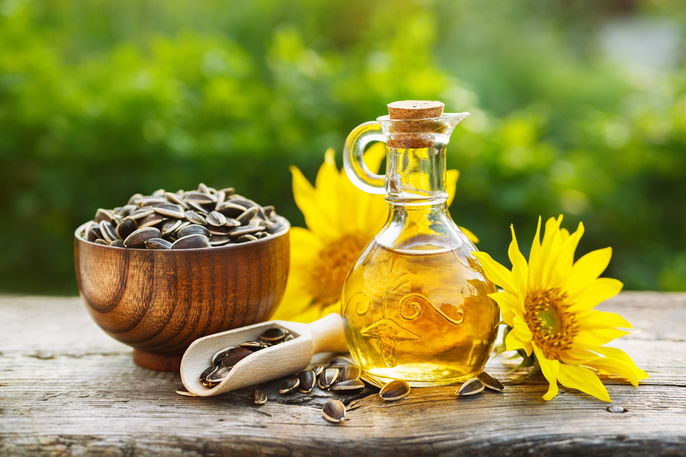
Made from sunflower seeds, sunflower oil can be used to dress salads and to prepare grilled, sautéed, or baked foods. It can also be applied to the skin, face, and hair.
Main benefits
The main uses and benefits of sunflower oil include:
1. Promoting wound healing
Sunflower oil, particularly varieties high in linoleic acid, may help support wound healing due to its richness in vitamin E, a nutrient with potent antioxidant and anti-inflammatory properties.
This is because sunflower oil helps maintain skin integrity and may promote collagen formation, cell multiplication, and stimulation of blood vessel growth.
In addition, essential fatty acids found in sunflower oil, such as omega-6, may also support skin repair.
2. Lowering the risk of heart disease
Sunflower oil is rich in vitamin E, a nutrient that helps prevent oxidation of fat cells and may help control blood levels of “bad” LDL cholesterol, which can help lower the risk of heart disease, such as heart attack and high blood pressure.
This oil also contains omega-6 linoleic acid, a healthy fat with anti-inflammatory effects that may improve circulation and help prevent the formation of fatty plaques in blood vessels, helping prevent atherosclerosis.
3. Preventing premature aging
Due to its antioxidant effects, sunflower oil helps protect the skin against damage caused by excess free radicals, helping prevent wrinkles, sagging, and premature aging.
4. Supporting the immune system
Sunflower oil may help maintain a balanced immune system because it provides beneficial amounts of vitamin E as well as omega‑6 and omega‑9 fatty acids.
These nutrients have antioxidant and immune-modulating effects, helping fight free radicals and support the function of immune system cells.
5. Moisturizing skin and hair
Sunflower oil can be applied on its own or added to creams, ointments, and lotions to help moisturize and improve the elasticity and softness of hair, body skin, and facial skin.
These benefits come from the vitamin E and omega‑6 in this oil, nutrients that help strengthen the skin and hair’s natural barrier, reduce water loss, and maintain hydration.
Ozonated sunflower oil
Ozonated sunflower oil is a product that contains regular sunflower oil but has gone through a chemical process to incorporate ozone gas.
Because ozone is a gas with antimicrobial and anti-inflammatory effects, this type of oil may be used to help support the care of wounds and burns when applied to the skin.
Some studies suggest that ozonated sunflower oil may also be taken by mouth. However, more research is still needed to evaluate safety and the ideal amount recommended for ingestion.
Nutrition facts
The table below provides nutritional information for a 4.5 g (equivalent to 1 tablespoon) serving of sunflower oil containing 65% linoleic acid:
To get the benefits of sunflower oil, it is also important to maintain healthy lifestyle habits, including eating a healthy, varied diet and getting regular physical activity.
How to use
Sunflower oil can be used in several ways, including:
1. Sunflower oil for the genital area
Sunflower oil, especially cold-pressed sunflower oil that is high in linoleic acid, may be used on the external genital area of men and women as a natural lubricant option.
However, this type of homemade intimate lubricant should not be used with latex condoms.
2. Sunflower oil for skin
Cold-pressed sunflower oil that is high in linoleic acid can be applied to clean, dry skin to help support the care of wounds and ulcers.
4. Sunflower oil for the face
For the face, wash and dry the skin well, then apply sunflower oil to the face and massage well.
Sunflower oil may help improve skin hydration, helping delay the appearance of fine lines and sagging.
5. Sunflower oil for hair
Sunflower oil can be used to moisturize hair. To do this, rub a few drops of sunflower oil that is high in oleic acid between your hands and apply it to clean hair, whether wet or dry.
6. Sunflower oil in food
Sunflower oil can be used in small amounts when preparing sauces, seasonings, grilled foods, baked foods, and sautéed foods.
This oil can replace foods that are high in saturated fat, such as butter, margarine, or lard, for example.
It is important to avoid heating sunflower oil to temperatures above 170°C and not to reuse it, because this increases the buildup of chemicals that are harmful to health and can lead to trans fat formation.
7. Sunflower oil capsules
Sunflower oil can also be found as a dietary supplement, and it is generally recommended to take 1 to 4 capsules per day.
However, the dose varies depending on goals and overall health. For this reason, sunflower oil capsules should only be used with guidance from a doctor or registered dietitian.
Choosing the best type
To choose the best type of sunflower oil, it is important to select options that are pure and contain a high amount of omega-6 linoleic acid. To do this, check the nutrition facts table on the product label.
Another tip is to choose unrefined, cold-pressed sunflower oil, since cold extraction is the processing method that best preserves sunflower oil’s nutrients.