


Stress and anxiety are often used interchangeably, but they are not the same. Stress usually happens as a reaction to everyday challenges and tends to go away when the cause is resolved, while anxiety is a persistent feeling of fear or worry that can last for days or even weeks.
Both stress and anxiety can cause similar physical and emotional symptoms, such as rapid heartbeat, dry mouth, muscle tension, and sleep disturbances. However, anxiety is often accompanied by irrational fear, constant worrying, and difficulty controlling thoughts, and may occur alongside depression or other mental health conditions.
Relieving symptoms of stress and anxiety involves relaxation techniques like exercise, meditation, and breathing exercises. In more severe or persistent cases, medical evaluation may be needed, and treatment can include talk therapy or medications such as alprazolam or diazepam prescribed by a psychiatrist.
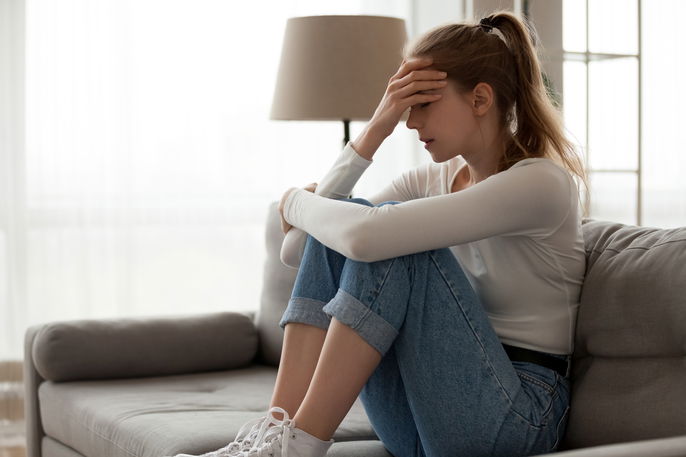
Symptoms and key differences
The main physical and psychological symptoms of stress and anxiety include:
Stress and anxiety can cause similar physical and emotional symptoms, but they differ in how long they last. Symptoms of stress usually fade once the cause is resolved, which often happens in everyday situations like work pressure, traffic, lack of rest, or family conflicts.
Anxiety symptoms, on the other hand, tend to continue even after the triggering factor has ended. This happens due to ongoing worry and negative thoughts, especially in social situations such as public speaking or attending meetings.
Possible consequences of stress vs anxiety
Effects of stress and anxiety on the body, especially during times of crisis, can include:
- Gastrointestinal changes, like diarrhea or constipation;
- Intestinal inflammation, which can increase the risk fori irritable bowel syndrome;
- Weight gain and increased abdominal fat, which can also lead to abnormal cholesterol and triglyceride levels and high blood pressure. These factors can increase your risk for metabolic syndrome;
- Stomach ulcers, due to increased stomach acid production;
- Gastritis, which is related to chronic inflammation along the stomach wall, caused by chronic stress;
- Reduced immune function, which can increase your risk for infectious diseases.
In some cases, mainly when stress and anxiety are chronic, it is also possible to notice weaker, more fragile nails, as well as dry skin and hair loss.
How to relieve symptoms
To relieve symptoms of stress and anxiety and help prevent them from returning, it’s important to practice relaxation techniques and support overall well-being.
Activities such as exercising, meditating, doing breathing exercises, or drinking calming teas like chamomile, valerian, or lemongrass can be helpful. Check out other herbs for anxiety and stress that you can use to prepare relaxing teas.
Stress and anxiety that are frequent or present with symptoms that do not resolve with simple measures should be assessed by a primary care provider or psychologist. They can help you to identify triggers and facilitate coping mechanisms to help you deal with symptoms.
In some cases, you may be referred to a psychiatrist to assess the need for medications, like alprazolam or diazepam. Learn more about anxiety medications that your doctor may consider to help you manage your symptoms.