


- Seek emergency care if the chest pain lasts for more than 20 minutes or becomes increasingly intense.
- Watch for systemic red flags like sudden shortness of breath, nausea, cold sweats, or very pale skin.
- Get immediate medical help if the discomfort radiates to your arms or occurs alongside a sudden, intense cough.
Sternum pain affects the flat bone located in the center of the chest and can result from inflammatory conditions like costochondritis or physical strain. Digestive issues such as gastroesophageal reflux disease or xiphoid process syndrome also frequently contribute to this localized discomfort.
Intense anxiety episodes and pulmonary complications like pneumonia or a blockage in the lung arteries can manifest as sternum pain. Serious cardiac events, including angina and heart attacks, are critical causes that often involve intense pressure or sensations radiating from the chest to the arms.
Management of sternum pain varies by the underlying cause and may include anti-inflammatory medications, physical therapy, or emergency surgical intervention for fractures. Immediate medical attention is necessary if symptoms persist for over 20 minutes or occur alongside nausea, cold sweats, and shortness of breath.
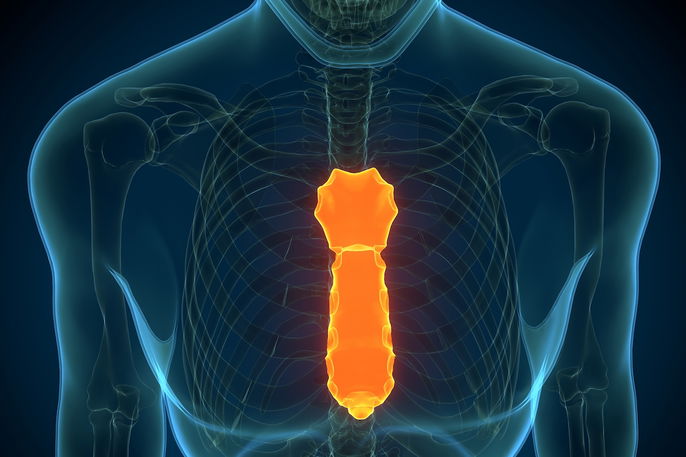
Why do I have pain in the sternum area?
Common conditions that can cause sternum pain include:
1. Costochondritis
Costochondritis is an uncommon inflammation of the cartilage that connects the ribs to the sternum. It can cause sharp, pressure-like, or stabbing pain in the center of the chest that may get worse when breathing, coughing, or moving.
What to do: In suspected cases, it's important to consult a general practitioner for an accurate diagnosis and proper treatment. Treatment may include rest, applying warm compresses to the area, and avoiding heavy lifting or high-impact exercises.
A doctor may also recommend over-the-counter pain relievers or anti-inflammatory medications such as naproxen or ibuprofen. Gentle stretching or physical therapy may also be advised under the supervision of a physical therapist.
2. Anxiety
Sternum pain can also occur during episodes of anxiety, which in some cases can trigger chest pain that affects the sternum area. Read more about other symptoms of anxiety that can emerge in addition to sternum pain.
Anxiety is usually a temporary and normal reaction to stressful situations like public speaking, job interviews, or exams.
What to do: Treatment for anxiety can be guided by a psychologist or psychiatrist and may include psychotherapy sessions, anti-anxiety or antidepressant medications. In addition, healthy lifestyle habits such as meditation, yoga, regular physical activity, and good sleep can help prevent and manage anxiety.
3. Intense physical activity
Strenuous physical activity, like heavy weightlifting or exaggerated movements, can lead to muscle strain and cause pain around the sternum.
This type of pain may result from injuries to the muscles surrounding the sternum or may be related to costochondritis.
What to do: In cases of injury or confirmed costochondritis, treatment may include rest, the use of pain relievers or fever-reducing medications, and light stretching exercises as recommended by a healthcare provider.
4. Xiphoid process syndrome
Xiphoid process syndrome is a condition involving an abnormality in the xiphoid process, a small cartilage located at the bottom of the sternum. It can cause pain in the sternum, discomfort in the upper abdomen, and a lump or swelling in the center of the chest.
What to do: A general practitioner or orthopedic specialist should be consulted to confirm the diagnosis and recommend appropriate treatment. Treatment may involve anti-inflammatory or pain-relieving medications like ibuprofen or tramadol, based on medical advice.
A doctor may also recommend physical therapy, warm compresses applied to the chest, and limiting physical activity until the xiphoid process heals.
5. Fracture
A fracture in the sternum can result from falls, blunt force trauma, car accidents, or sports injuries.
Also recommended: Stress Fracture: Symptoms, Causes & Treatment tuasaude.com/en/stress-fractureWhat to do: If a sternum fracture is suspected, it's essential to seek emergency medical care for imaging tests and appropriate treatment.
In mild cases, treatment may include pain medication, breathing exercises, and heart monitoring. In more serious cases, such as those involving damage to the lungs, heart, diaphragm, or esophagus, surgery may be necessary to prevent complications.
6. Gastroesophageal reflux disease (GERD)
GERD is the involuntary backflow of stomach contents into the esophagus, which may lead to burning sensations in the chest or neck, heartburn, a sour taste in the mouth, and the feeling of a lump in the throat.
This condition may also cause discomfort or pain in the lower part of the sternum.
What to do: If GERD is diagnosed, treatment may include medications like omeprazole or pantoprazole, which help reduce stomach acid production. Read more about the GERD medications you doctor may prescribe.
Additional recommendations may include weight loss, avoiding lying down immediately after meals, and limiting or avoiding alcohol, carbonated drinks, fatty foods, and caffeine.
Also recommended: GERD Diet: List of Foods to Eat & Avoid (& 3-Day Meal Plan) tuasaude.com/en/gerd-diet7. Angina
Angina occurs when there is a reduction in blood flow through the arteries that supply oxygen to the heart.
It can cause a feeling of tightness, pressure, or pain in the chest or sternum, along with symptoms like tingling in the arm, cold sweats, and shortness of breath.
What to do: Suspected angina requires emergency medical attention for diagnosis and appropriate treatment. Treatment may involve medications such as nitrates, blood pressure medications, anticoagulants, beta blockers, or opioids.
8. Tietze syndrome
Sternum pain may also be caused by Tietze syndrome, a rare condition characterized by pain in the center of the chest and swelling near the ribs.
It is believed that Tietze syndrome can be triggered by trauma to the chest, psoriatic arthritis, surgery in the area, or excessive coughing or vomiting.
What to do: Treatment is often not necessary, as the inflammation and symptoms tend to improve over time. However, to support recovery, a doctor may recommend rest, avoiding strenuous activities, using pain relievers, and applying warm compresses to the area.
9. Pulmonary embolism
Pulmonary embolism is the blockage of a pulmonary artery, leading to symptoms like sudden shortness of breath, intense coughing, and pain in the sternum or center of the chest that worsens when taking deep breaths, coughing, or eating.
This condition usually happens due to a blood clot or embolus that disrupts blood flow to the lungs and prevents oxygen from reaching the affected tissue.
What to do: If pulmonary embolism is suspected, immediate hospital care is necessary to confirm the diagnosis and begin treatment. A doctor may prescribe anticoagulants, vasopressors, thrombolytics, oxygen therapy, or in more severe cases, catheterization or surgery.
10. Heart attack
Sternum pain can also be a sign of a heart attack, which occurs when heart muscle cells die due to a partial or total blockage of the coronary arteries.
Other symptoms of a heart attack may include chest pain radiating to the arm, nausea, cold sweats, or pale skin.
What to do: A suspected heart attack is a medical emergency that requires going to the ER immediately for diagnosis and, if needed, emergency treatment. Treatment may involve medications like anticoagulants, antiplatelets, opioids, nitrates, and statins, as well as cardiac catheterization.
Oxygen therapy may also be used to increase oxygen levels in the blood and reduce strain on the heart.
11. Pneumonia
Sternum pain may also occur with pneumonia, a lung infection that causes inflammation of the bronchioles, resulting in chest pain, high fever, dry or productive cough, and shortness of breath.
Read more about pneumonia symptoms and how they can present.
What to do: Once pneumonia is confirmed, a doctor may prescribe antibiotics such as amoxicillin, azithromycin, or penicillin, as well as antivirals or antifungals depending on the cause. Physical therapy and nebulizer treatments may also be recommended.