


- Itching, penile discharge, genital sores, blisters, or burning when urinating can be warning signs of an STI.
- Fever, swollen lymph nodes, unexplained tiredness, jaundice, or mouth sores may also occur with some STIs.
- Pain in the penis, testicles, rectum, or during bowel movements should be evaluated, especially after possible STI exposure.
STD symptoms in men usually include itching, discharge from the penis, sores in the genital area, or burning when urinating. These symptoms may be caused by sexually transmitted infections (STIs), formerly called sexually transmitted diseases (STDs).
To help identify these infections and prevent complications, sexually active men should have regular checkups and discuss STI screening with their healthcare provider based on their individual risk factors. Early testing and treatment can help prevent complications and reduce the spread of infection.
Because STIs can spread through sexual contact, both the affected man and their sexual partner should receive treatment when needed. This helps prevent reinfection, while using condoms during sex can lower the risk of future STIs.
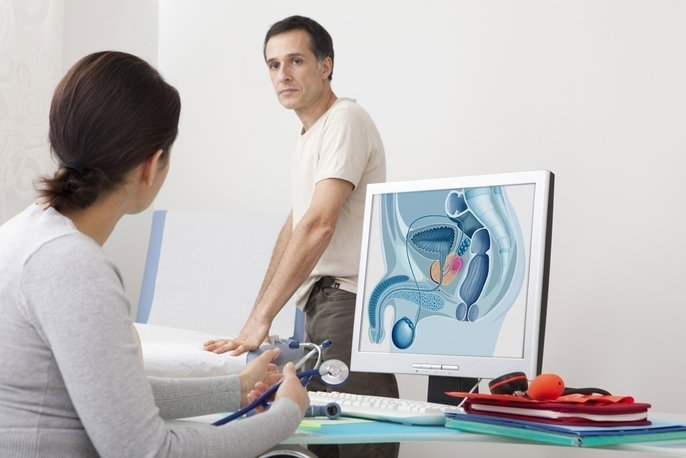
STD symptoms
The main symptoms that may indicate a sexually transmitted infection (STI) in men are:
1. Itching
Itching is common with genital herpes, pubic lice, and infectious proctitis caused by certain sexually transmitted infections.
Genital herpes is an infection in the genital area that can cause itching, redness, pain or burning, and small blisters that later turn into open sores.
Proctitis is inflammation of the rectum and anus, often caused by infection, and can lead to pain, bleeding, and discharge.
Pubic lice, also called “crabs,” are tiny parasites that live in pubic hair and can cause intense itching, sores from scratching, and sometimes discharge.
2. Redness
Skin redness is a common symptom of infections such as genital herpes, HIV, cytomegalovirus infection, and pubic lice.
HIV is a virus that weakens the immune system. It may not cause symptoms at first, but over time it can lead to red skin lesions that may appear along with tiredness, weight loss, fever, and painful, swollen lymph nodes.
Redness can also be a sign of cytomegalovirus infection, which may cause fever and yellowing of the skin and eyes. This infection is more likely to occur in people with a weakened immune system.
3. Pain
Pain from STIs varies depending on the area affected. Genital herpes usually causes pain in the penis, gonorrhea and chlamydia can cause pain in the testicles, and proctitis can cause pain in the rectum.
Gonorrhea and chlamydia are bacterial infections that can also cause symptoms like genital discharge and pain or burning during urination. Read more about gonorrhea in men and how it can present.
4. Blisters
Blisters, or vesicles, may appear with infections such as genital herpes, molluscum contagiosum, HPV, lymphogranuloma venereum, or pubic lice.
Molluscum contagiosum is a viral infection that causes pink or pearly white bumps. Lymphogranuloma venereum is a bacterial infection that can cause blisters that later turn into sores.
Genital warts caused by HPV may look like small cauliflower-shaped bumps. Learn more about symptoms of HPV in men and how it is treated.
5. Sores on the genitals
Sores on the genitals are common with infections such as genital herpes, HPV, syphilis, lymphogranuloma venereum, proctitis, and pubic lice. They can also appear in the mouth or throat if these areas come into contact with the body fluids of an infected partner.
Syphilis is a bacterial infection that can cause sores on the penis, scrotum or groin. Other syphilis symptoms include tiredness, fever and painful, swollen lymph nodes.
6. Discharge
Discharge can also be a sign of an STI, particularly gonorrhea, chlamydia or trichomoniasis. These infections can cause a yellow, pus-like discharge (especially in gonorrhea).
If oral or anal contact has occurred with an infected person, symptoms such as a sore throat or inflammation of the anus (proctitis) may also develop.
Trichomoniasis, caused by the protozoan Trichomonas vaginalis, can lead to discharge, pain and burning when urinating, and itching in the penis.
7. Pain or burning when urinating
Pain or burning when urinating is usually a symptom of a urinary tract infection (UTI), but it can also be a sign of an STI, such as gonorrhea, chlamydia, or trichomoniasis.
This symptom may also occur with genital herpes, particularly when blisters are close to the urethra. Pain or burning during bowel movements can also happen if genital herpes blisters are located near the anus.
8. Excessive tiredness
STI symptoms do not always involve visible changes in the genital area. HIV, hepatitis B, and syphilis, for example, may cause symptoms such as unexplained, excessive tiredness.
HIV weakens the immune system, which makes it easier for other infections to develop when immune defenses are low.
Hepatitis B, although it can be transmitted through unprotected sex, mainly affects the liver and increases the risk of cirrhosis and liver cancer.
9. Mouth sores
Mouth sores can appear if the mouth comes into contact with secretions from an infected partner. Other symptoms may also occur, such as sore throat and white patches on the cheeks, gums, and throat.
10. Fever
Fever is a common immune response and can occur with many infections, including STIs such as HIV, hepatitis B, cytomegalovirus, and syphilis.
The fever may be high, but in many cases, STIs cause a persistent low-grade fever that may be mistaken for the flu or a cold.
11. Jaundice
Jaundice is a symptom that causes yellowing of the skin and eyes. It can occur with STIs such as hepatitis B and cytomegalovirus.
12. Swollen lymph nodes
Painful, swollen lymph nodes are another common sign of infection in the body, including STIs such as syphilis and HIV.
Swollen lymph nodes from syphilis usually appear in the groin, while HIV can cause swollen lymph nodes in several different regions of the body.
What to do
If an STI is suspected, it is important to see a healthcare provider for evaluation. They may review symptoms, perform a physical exam, and order tests based on the suspected infection.
According to the CDC, sexually active people should discuss STI testing with their healthcare provider to determine which tests are appropriate. Testing may include urine tests, swabs, or blood tests for infections such as HIV, syphilis, and hepatitis B.
NAATs are commonly used to diagnose infections such as gonorrhea, chlamydia, and trichomoniasis. If penile discharge is present, a sample may also be collected for laboratory testing.
Treatment options
Treatment for STIs depends on the type of infection:
-
Viral infection: Antiviral medications may be prescribed to help control the infection and relieve symptoms. Although some viral STIs cannot be cured, treatment can help reduce symptoms and lower the risk of transmission.
-
Bacterial infection: Antibiotics are prescribed based on the bacteria causing the infection.
-
Parasitic infection: Antiparasitic medications may be prescribed. Depending on the infection, these may be taken by mouth or applied to the skin.
During treatment, avoid sex until your healthcare provider says it is safe to resume. According to the CDC, sex partners should avoid condomless sex until they have both been treated and symptoms have resolved, when applicable.
Follow the prescribed treatment exactly as directed, even if symptoms improve before the medication is finished.
