


- A snake bite can be serious even if the snake seems non-venomous, so medical evaluation is always recommended.
- Seek urgent care for bleeding that does not stop, trouble breathing, weakness, shock, or progressive paralysis.
- Blurred or double vision, drooping eyelids, or a sleepy appearance after a coral snake bite can be warning signs of severe poisoning.
A snake bite can be dangerous, especially when it involves a venomous snake. Symptoms vary by species and may include pain, swelling, blurred vision, and, in some cases, more serious complications.
Some snake bites can lead to severe complications, such as bleeding, difficulty breathing, kidney injury, or paralysis if venom spreads through the body. Because of this, medical evaluation is always important, even if the snake is thought to be non-venomous.
First aid measures, such as keeping the affected limb still and avoiding harmful actions, can help slow the spread of venom until treatment is given. Hospital care may include antivenom, monitoring, and supportive treatments, and recovery depends on the type of snake and how severe the bite is.
Common symptoms
In addition to the bite mark on the skin, other symptoms of a venomous snake bite include:
-
Pain at the bite site or in the affected area
-
Redness, swelling, discoloration, or darkening of the skin
-
Headache, dizziness, or blurred vision
-
Sweating or excessive salivation
-
Metallic taste in the mouth, nausea, and vomiting
-
General discomfort, drowsiness, or weakness
-
Painful swollen lymph nodes in the groin or armpit
-
Anxiety or intense fear
In more severe cases, the person may have bleeding that does not stop, low blood pressure, a fast heart rate and weak pulse, shock, difficulty breathing, rhabdomyolysis, acute kidney injury, and progressive paralysis.
However, symptoms vary depending on the snake species. This is why it is always important to go to the hospital, even if the snake is thought to be non-venomous.
Urutu, cruzeiro, and jararaca snake bite
A bite from an urutu, cruzeiro, or jararaca snake can cause pain and swelling where the bite occurred. It may also lead to purplish spots and bleeding from the bite marks, gums, skin, or in the urine.
The person may also develop complications, such as severe bleeding, infection and necrosis in the bite area, and kidney failure.
Coral snake bite
A true coral snake bite usually does not cause significant changes at the bite site. A person bitten by this type of snake typically has pain, blurred or double vision, and drooping eyelids, giving a sleepy appearance.
If not treated promptly, a coral snake bite can cause paralysis of the breathing muscles and may be fatal.
First aid
Until you reach the hospital or medical help arrives, it is important to:
- Move away from the snake to avoid another bite
- Stay calm, as fear and agitation can increase the heart rate and spread venom through the body
- Lie down and keep the bitten body part in a neutral position to help slow the spread of venom
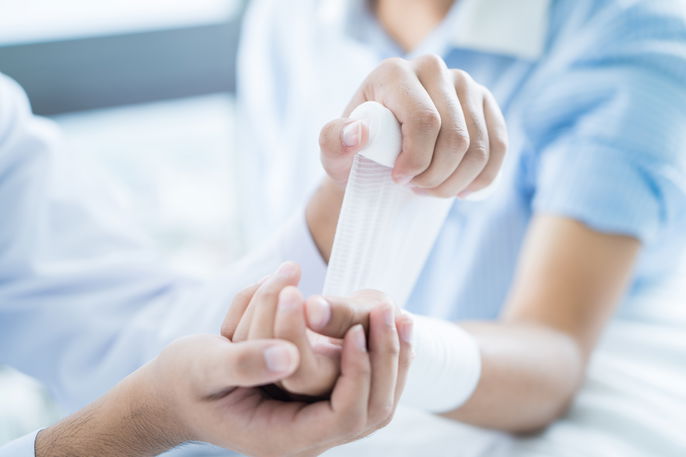
- If possible, immobilize the bitten limb with a splint or a low-pressure bandage to slow venom absorption
- Wash the bite area only with water or with soap and water
- Take the person on a stretcher to the nearest doctor, health clinic, or hospital as quickly as possible
- Watch the person’s airway and breathing closely, and be ready to perform resuscitation if needed
If the snake is already dead, take it safely to the hospital in a bag or container. If this is not possible, take photos or write down the snake’s characteristics.
What not to do
According to the CDC, after a snake bite, do NOT:
-
Try to suck out the venom, as this can cause more damage
-
Apply a tourniquet or tight band, as this worsens blood flow at the bite site and increases the risk of necrosis and limb amputation
-
Cut or puncture the bite, as this can introduce infections, including tetanus, and increase local bleeding
-
Apply substances to the area, such as leaves, coffee powder, kerosene, alcohol, ointments, herbs, or any other substance, as these can contaminate the wound and worsen the condition
-
Take aspirin or nonsteroidal anti-inflammatory drugs (NSAIDs), as these may cause bleeding
Alcohol should also be avoided, as it has no effect on the venom and may be harmful.
Treatment options
The healthcare team will assess the symptoms, how severe the poisoning from the snake’s venom (envenomation) is, and, if possible, identify the snake species.
Treatment may include a specific antivenom for the type of snake venom. According to the World Health Organization (WHO), high-quality snake antivenoms are the most effective treatment to prevent or reverse most of the venomous effects of snake bites.
In severe cases, breathing support with mechanical ventilation, IV fluids, and bleeding control may be needed.
Recovery time
The time needed for full recovery from a snake bite depends on the type of snake and the amount of venom injected. Recovery can take several weeks or months.
The person usually needs to stay in the hospital for at least 24 hours so doctors can monitor their condition and continue treatment.
People with significant local injury caused by snake envenomation may develop prolonged paresthesia, muscle injury, or, in severe cases, may need amputation.
Prevention measures
Some tips to help prevent snake bites include:
-
Wearing high boots or leather leg guards
-
Wearing leather gloves when handling dry leaves, firewood, or straw, for example
-
Not placing your hands inside holes
-
Controlling rodents by cleaning storage areas and yards
-
Sealing holes in walls and gaps in doors
It is also recommended to avoid accumulating trash, debris, stones, bricks, roof tiles, and wood, and to keep tall grass from growing around the house.
How to identify a venomous snake
Although this is not a completely reliable method, some characteristics may help distinguish a venomous snake from a non-venomous one:
In any case, it is always important to go to the hospital for a general evaluation of vital signs and to make sure there are no complications that could be life-threatening.
