


Skin types can be identified by assessing features like sensitivity, skin age, pigmentation, oiliness, and how easily fine lines form, using visual and touch-based checks or specific devices used by a dermatologist.
Based on these characteristics, skin can be classified as normal, dry, oily, combination, sensitive, resistant, and/or pigmented. Skin type can vary from person to person and may overlap across categories.
Skin type is influenced by genetics, the environment, and lifestyle. For this reason, changing some habits can improve skin health, leaving it more hydrated, nourished, radiant, and younger-looking.
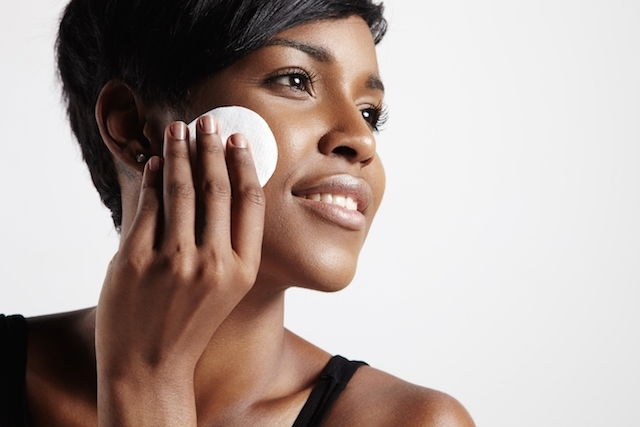
Skin types
Skin can be classified into different skin types based on its characteristics. These include:
-
Normal skin, which does not look oily or dry, has moderate shine, looks radiant and pinkish, and is usually smooth and firm to the touch with no visible imperfections. Pores are generally not noticeable to the naked eye, and it typically does not have breakouts;
-
Dry skin, which may feel tight after contact with water, may peel more easily, and tends to look dull rather than shiny;
-
Oily skin, which involves higher sebum production and may show more noticeable enlarged pores and more frequent acne;
-
Combination skin, in which oilier areas on the face can be noticed (such as the forehead, nose, and chin), along with drier areas (such as the cheeks);
-
Sensitive skin, which may be more prone to issues such as acne, rosacea, burning sensations, and allergic reactions, becomes red more often, and also has a greater tendency to peel;
-
Resistant skin, which has a healthy stratum corneum that helps protect against allergens and other irritants and also helps protect against water loss;
-
Pigmented skin, which is characterized by the presence of marks and dark spots on the skin.
Over time, skin type can change due to factors such as sun exposure, stress, diet, and climate.
For this reason, daily skincare should be adjusted to keep the skin well hydrated and firm.
How to identify your skin type
To identify skin types, it is important to be without makeup or any cosmetic products on your face. It is also recommended that the evaluation be done in a setting with direct light and no shadows.
Some of the factors that should be considered when evaluating the skin include:
-
Skin texture;
-
Elasticity;
-
Presence of enlarged pores;
-
Redness on the skin;
-
Oilier areas on the face;
-
Presence of acne;
-
Areas with peeling;
-
Presence of dark spots on the skin.
Skin type should be confirmed by a dermatologist or a properly trained aesthetics professional based on an evaluation of skin characteristics and specific tests that may be performed.
Care tips
Skincare can vary depending on skin type, since there are specific cleansers, sunscreen, creams, and makeup for each type. These products can help keep the skin hydrated and reduce or control oiliness.
1. Normal skin
To care for normal skin, mild cleansers and oil-free moisturizers should be used daily.
Sunscreen should also be used every day on visible areas of the body, such as the face and hands.
2. Oily skin
To care for oily skin, it can help to apply mild cleansing lotions made with plant extracts such as witch hazel, calendula, mint, camphor, and menthol. These ingredients have properties that may help reduce skin inflammation and control oiliness.
People with oily skin should avoid wearing makeup because it can clog pores and promote the formation of blackheads.
Since oily skin can happen due to excessive sun exposure, stress, or a high-fat diet, it is recommended to use sunscreen daily and follow a healthier, more balanced diet to help control oily skin.
3. Dry skin
To care for dry skin, moisturizing creams or plant-based oils, such as aloe vera or chamomile, can be used. Macadamia, almond, or grapeseed oil can also be added to help hydrate the skin effectively.
Alcohol-free products are also recommended, since alcohol can dry the skin further and make it feel rough.
Because dry skin can also happen due to excessive cold or long showers with very hot water, it is important to moisturize well and protect the skin from cold and excessive wind. Taking showers with lukewarm or cooler water can also help prevent dryness.
4. Combination skin
Combination skin is a mix of dry and oily skin, with oiliness in the “T-zone,” which includes the chin, nose, and forehead. It also tends to have more dryness around the mouth, cheeks, and eyes.
In these cases, cleansing lotions should be used on the oilier areas and moisturizing creams on the remaining areas.
5. Sensitive skin
If a person is confirmed to have more sensitive skin, it is recommended to use hypoallergenic cosmetics with soothing and anti-inflammatory properties. Examples include products with chamomile, aloe vera, and niacinamide.
6. Pigmented skin
For pigmented skin, it is important to follow the dermatologist’s recommendations to help prevent dark spots and/or marks from becoming darker over time.
For this, the use of skin-brightening creams and sunscreen is usually recommended. Sunscreen should be applied daily, even if the person is not directly exposed to the sun.
Read more about how to identify and treat the most common skin blemishes.