


Konjac is a root, sometimes called a “potato,” that comes from Asia. It may offer several health benefits, such as helping lower cholesterol, relieve constipation, support weight loss, and help manage diabetes.
These effects are possible because konjac (Amorphophallus konjac) is low in calories and contains glucomannan. Glucomannan is a soluble fiber with satiating, laxative, blood sugar-lowering, and lipid-lowering effects.
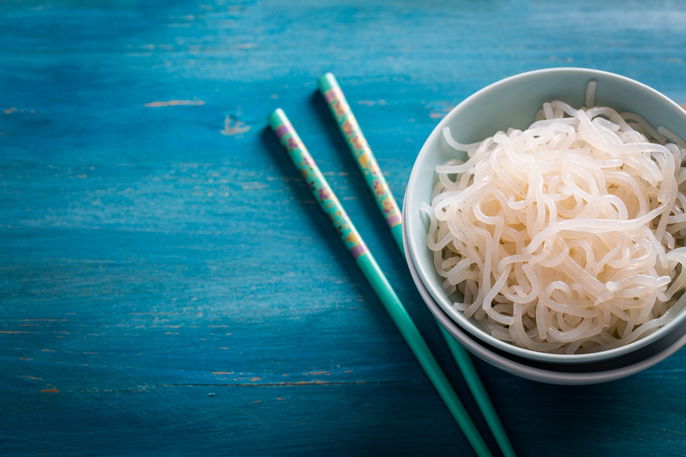
Konjac has a mild flavor and is sold in pharmacies, supermarkets, and health food stores as a supplement, flour, rice, or noodles. Konjac noodles are also known as shirataki noodles, and konjac is also used to make body exfoliating sponges.
What it is used for
The main uses of konjac are:
1. Lowering “bad” cholesterol
Konjac is rich in glucomannan, a soluble fiber that helps the body eliminate bile acids through the stool. This increases the use of cholesterol to make bile acids, helping to lower “bad” LDL cholesterol levels in the blood.
2. Supporting weight loss
The soluble fiber in konjac forms a type of gel in the stomach. This slows digestion, helps control hunger between meals, and may support weight loss.
Konjac is also low in carbohydrates and calories, which is why it is often used in weight loss diets, such as low-carb diets. However, to lose weight, konjac should be part of a healthy diet and regular exercise routine.
3. Relieving constipation
Konjac can help relieve constipation because it contains good amounts of soluble fiber. This fiber absorbs water into the stool, making it softer and easier to pass.
4. Helping to manage diabetes
Konjac may be used as a complement to help manage diabetes, as it can reduce inflammation and oxidative stress. This may improve pancreatic function and help balance blood glucose levels.
In addition, the fiber in konjac also helps balance blood glucose levels, which may help prevent insulin resistance and the development of diabetes.
5. Helping to prevent colorectal cancer
Because it is rich in soluble fiber, konjac helps reduce inflammation and fight free radicals. It also supports the growth of beneficial bacteria in the intestine, which may help prevent colorectal cancer.
Nutrition information
The following table shows the nutrition information for 100 g of plain konjac noodles:
To obtain the benefits of konjac, this food should be part of a healthy diet, along with regular physical activity.
How to eat
Konjac can be consumed as noodles, rice, flour, or nutritional supplements. Konjac is also used to make sponges for exfoliating the body.
1. Konjac noodles
Konjac noodles, or shirataki noodles, are sold in supermarkets and health food stores. They can be eaten with sauces, seasonings, vegetables, tuna, herbs, or another food of choice.
Konjac noodles can also be made at home using flour from this root.
2. Konjac rice
Konjac rice can be used in simple rice recipes or in more elaborate recipes, such as risotto or paella.
3. Konjac flour
Konjac flour can be consumed by dissolving 1/2 dessert spoon in 2 cups of water and drinking it before main meals.
Konjac flour can also be used to thicken sauces, smoothies, cakes, or stews.
4. Konjac supplement
Konjac supplements are sold in health food stores as glucomannan capsules. They can be taken before main meals and should always be taken with 2 cups of water.
Can you eat konjac every day?
Konjac can be consumed every day, as long as it is part of a healthy and varied diet and is taken with plenty of water.
However, pregnant or breastfeeding women, people who take medications regularly, or people with any type of medical condition should only use konjac under the guidance of a doctor or registered dietitian.
Possible side effects
Konjac can cause some side effects, such as bloating, excess gas, or diarrhea, but these effects are uncommon.
When konjac is consumed with too little water, stools can become very dry and hard. This can cause severe constipation or even intestinal obstruction, which is a serious condition that requires immediate medical attention.
In addition, when konjac flour or supplements are consumed with too little water, they may expand before reaching the stomach and cause choking or a blockage in the throat.
Who should not eat it
Konjac should not be consumed by children, people with a blockage in the esophagus or stomach, or people with diseases that cause difficulty swallowing, such as Parkinson’s disease, stroke, or multiple sclerosis.
Pregnant or breastfeeding women, or people who use blood sugar-lowering medications, insulin, or any other medication, should always consult a doctor before using konjac.
