


Rectal bleeding is commonly caused by the presence of hemorrhoids and anal fissures, but it can also be a sign of a intestinal infection, proctitis or even rectal cancer.
Rectal bleeding may be noted during constipation, as stool tends to be harder and drier. Passing hardened stool can injure the anus and cause micro-tears, leading to bright red blood in the stool.
It is important to see a doctor you notice rectal bleeding frequently, or if you have other symptoms like mucus in the stool, weight loss with no obvious cause, and abdominal bloating. With a thorough assessment, the doctor will be able to identify the cause of anal bleeding and initiate the most appropriate treatment.
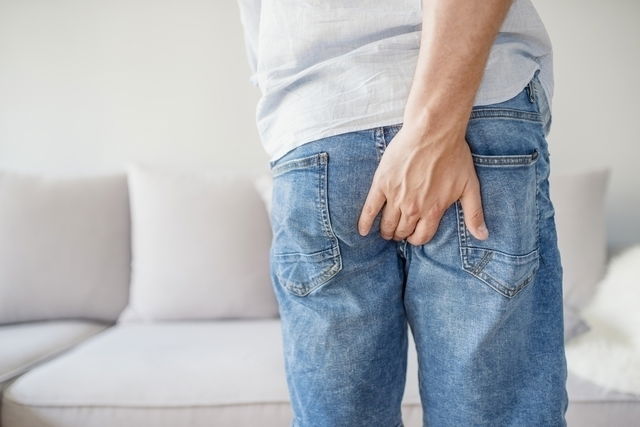
What causes rectal bleeding?
The most common causes of anal bleeding are:
1. Hemorrhoids
Hemorrhoids are dilated veins that can emerge within the rectum or around the anus. They typically bleed with bowel movements, especially with excessive straining or very hard, dry stool.
In addition to rectal bleeding, it is common for people to also experience itching, blood in the stools, pain and discomfort when walking or sitting, and in some cases, the presence of mucus in the stool. Learn more about what causes hemorrhoids.
What to do: It is important to change some hygiene and diet habits to prevent more hemorrhoids and ensure soft stools, which can help to alleviate some symptoms. You are advised to avoid using toilet paper, which can cause more irritation, and to ensure you are getting enough water and fiber every day.
To relieve pain and discomfort, you can use a hemorrhoid ointment or suppository that contains anesthetic, vaso-constricting or corticoid properties. These can be applied directly to the hemorrhoid. Many people may also find relief with sitz baths for hemorrhoids.
If your hemorrhoids do not improve with these measures, or if you experience symptoms frequently, you should see a gastroenterologist for assessment. The doctor will inspect the hemorrhoids and determine whether surgical intervention is necessary. Check out other ways to get rid of hemorrhoids using ointments and other home remedies.
2. Anal fissure
Just like hemorrhoids, anal fissures can occur as a result of dry and hard stool, which is common with constipation. It can also be a result of anal sex without adequate lubricant, which can lead to injury in the area and cause rectal bleeding, pain, discomfort and burning with bowel movements.
What to do: You are advised to avoid using toilet paper and use wet wipes instead. You should ensure you have plenty of water and fiber intake. Pain and discomfort can be treated with anesthetic ointments.
3. Proctitis
Proctitis can also cause rectal bleeding, and it consists of inflammation of the rectal lining. This inflammation can occur due to infections, changes to blood flow or intestinal inflammation, all which can lead to the presence of mucus or blood in the stool. Read more about what can cause mucus in the stool.
What to do: In this case, you are advised to see a gastroenterologist to identify the underlying cause and to assess the severity of your symptoms. From here, the doctor can prescribe the best treatment options, which usually involve the use of anti-inflammatories. Some cases of proctitis can additionally be treated with antibiotics.
4. Intestinal polyps
Intestinal polyps are masses that occur in the intestines due to excessive cellular growth in the large intestine. When these cells are more developed and start to accumulate into small structures, they can cause some symptoms like rectal bleeding, blood in the stool, abdominal gas, constipation or diarrhea.
What to do: You should consult a gastroenterologist as soon as you notice any signs or symptoms, so that a diagnosis can be confirmed promptly and treatment can be started right away. This will help decrease the probability of the polyp turning into cancer. In most cases, intestinal polyps are surgically removed during a colonoscopy.
5. Crohn's disease
Crohn's disease is characterized by chronic intestinal inflammation, which can cause symptoms like bleeding during bowel movements, blood and/or mucus in the stool, diarrhea, abdominal cramps, vomiting, nausea, fever, loss of appetite, fatigue and muscle pain.
Although the exact cause of Crohn's disease is not fully known, it may be related to several factors, like immune system dysfunction, smoking and genetic mutations.
What to do: You are advised to consult a gastroenterologist if you present with symptoms of Crohn's disease, especially if they interfere with your activities of daily living. The doctor may order tests to confirm a diagnosis, like a colonoscopy, endoscopy and stool tests.
Treatment is aimed at relieving symptoms and preventing worsening and flare-ups, and may include diet changes, the use of medications, such as corticosteroids, immunosuppressants, antibiotics or biological medication. In more severe cases, surgery to repair very damaged intestinal tissue may be necessary.
Also recommended: Crohn's Disease Diet: What to Eat & Avoid (with Meal Plan) tuasaude.com/en/crohns-disease-diet6. Salmonella infection
Salmonella is an intestinal infection caused by Salmonella sp. bacteria , which can cause blood in the stool, abdominal pain, severe diarrhea, fever, chills, and nausea.
This bacteria is transmitted mainly through the consumption of contaminated water or contaminated food that is raw or under-cooked.
What to do: If you have symptoms of salmonella, you should see a doctor for assessment and treatment, which typically involves fluid replacement, a light diet, rest and hydration.
7. Anal cancer
Anal cancer is uncommon, however it is more common among older adults. It typically presents with rectal bleeding, blood and mucus in the stool, anal swelling, and the presence of a lump in the anus.
What to do: If you suspect you may have anal cancer, you should see your family doctor or a gastroenterologist immediately, as an early diagnosis allows for prompt treatment and a reduced risk of complications. Treatment for anal cancer may involve surgical removal of any small tumors in the anal region, as well as chemotherapy and/or radiotherapy.
8. Angiodysplasia
Angiodysplasia is a condition that mainly affects people over 60 years of age and can cause blood in the stool. This condition occurs due to a change in intestinal blood vessels that makes them more fragile and more likely to rupture and bleed.
Bleeding with this condition can be microscopic and not visible to the eye, or it can lead to bright red rectal bleeding.
What to do: Depending on the amount of rectal bleeding the patient notices, this condition can be investigated and confirmed with tests like an endoscopy, colonoscopy or angiography.
Cases that present with heavy rectal bleeding, may require hospitalization for IV fluids. Treatment may also include cauterization of damaged blood vessels or the use of medications to control bleeding. If these approaches an ineffective, surgery may be needed.
9. Diverticulitis
Diverticulitis is characterized by inflammation of the diverticula, which are small pouches or bulges that can form along the intestinal wall. This condition is associated with symptoms such as abdominal pain, constipation, nausea, vomiting and rectal bleeding.
Read more about what causes diverticulitis and how it can present.
What to do: You are advised to consult a gastroenterologist to confirm a diagnosis and begin treatment, which may involve the use of antibiotics, diet changes, and, in more severe cases, surgery. Read more about diverticulitis treatment that your doctor may consider.