


Quinoa is a seed rich in quercetin, kaempferol, and flavonoids, which are phenolic compounds with antioxidant and anti-inflammatory properties. These compounds help fight premature aging, strengthen the immune system, and prevent the development of cardiovascular diseases.
In addition, quinoa seeds are also high in protein and fiber. These nutrients help decrease appetite and support weight loss, improve bowel function, and regulate cholesterol and blood sugar levels.
Quinoa has a very mild flavor, making it easy to include in meals for adults and children. It can be served with meat, fish, or chicken and is a great substitute for rice. Quinoa is also naturally gluten-free, making it an excellent option for people with celiac disease or gluten intolerance.
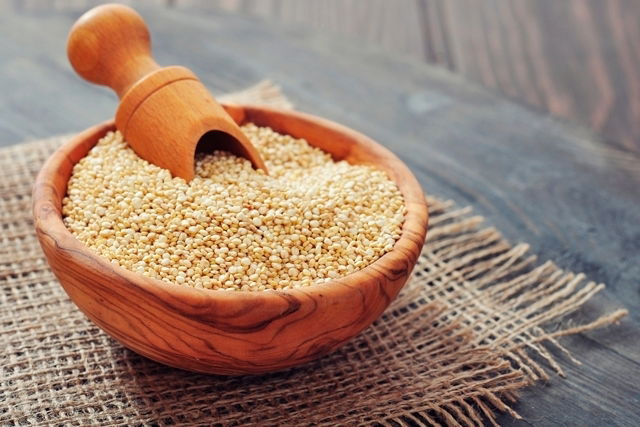
Main benefits of quinoa
Because of its high nutritional value and health-promoting properties, the main benefits of quinoa include:
1. Helps with weight loss
Quinoa is rich in healthy fats, such as omega-3 and omega-6, which help produce enzymes responsible for fat burning, boost metabolism, and reduce fat storage, making it a great ally for weight loss.
Also recommended: 14 Healthy Foods That Help You Lose Weight tuasaude.com/en/foods-to-lose-weightIt is also high in fiber and protein, which reduce hunger and increase feelings of fullness. In addition, it contains phytosterols, such as campesterol and sitosterol, which decrease fat absorption in the intestines, further supporting weight loss.
2. Protects against cardiovascular disease
Quinoa’s omega-3 and omega-6 fatty acids, flavonoids, phenolic compounds, and phytosterols have powerful antioxidant effects. These help reduce LDL (“bad”) cholesterol and triglycerides, which form fatty plaques in the arteries. This helps prevent atherosclerosis and lowers the risk of cardiovascular diseases such as heart attack and stroke.
Additionally, quinoa’s fiber reduces the absorption of dietary fats, further decreasing cholesterol levels, while its magnesium and potassium help relax blood vessels and regulate blood pressure.
3. Improves bowel function
Quinoa is rich in fiber, which improves digestion and regulates bowel movements. Its fibers also act as prebiotics, reducing intestinal inflammation and protecting against the development of irritable bowel syndrome, ulcerative colitis, and Crohn’s disease.
4. Helps regulate blood sugar levels
Some studies show that quinoa can be a valuable ally in managing diabetes. It contains phytoecdysteroids, such as 20-hydroxyecdysone, and phenolic compounds, like flavonoids, that regulate glucose metabolism and reduce insulin resistance. This helps control and lower blood sugar levels, making quinoa a suitable option for people with prediabetes or diabetes.
5. Strengthens the immune system
Quinoa is rich in folic acid, which stimulates the production of white blood cells—essential defense cells that help prevent and fight infections—thereby strengthening the immune system.
6. Supports bone health
Quinoa is an excellent source of calcium, magnesium, and phosphorus, minerals essential for strengthening bones and maintaining their health. This can help prevent conditions such as osteoporosis, osteopenia, and rickets.
In addition, quinoa’s phytoecdysteroids, such as 20-hydroxyecdysone and makisterone, may help prevent or assist in the treatment of postmenopausal osteoporosis.
7. Boosts brain function
The omega-3 and omega-6 fatty acids and antioxidants present in quinoa, including phytosterols and phytoecdysteroids, can help prevent neuron damage and protect brain cells, keeping the brain healthy and functioning properly.
The phytoecdysteroids in quinoa also have a neuroprotective effect, as they help regulate the action of the neurotransmitter GABA in the brain, restoring neuronal balance needed for proper brain function.
8. Prevents anemia
Quinoa helps prevent anemia because it is rich in iron, a mineral necessary for producing hemoglobin, the protein in red blood cells responsible for transporting oxygen throughout the body.
It is also a good source of folic acid, which is necessary for producing healthy red blood cells, further preventing anemia.
9. Enhances muscle performance
Quinoa contains omega-3 and omega-6, which can help reduce muscle inflammation caused by exercise, speed up muscle recovery, improve energy levels, boost training performance, and decrease post-workout soreness.
Some studies also suggest that phytoecdysteroids may improve training performance and support muscle growth and development. However, more studies are still needed to confirm these benefits.
10. Suitable for vegetarian diets
Quinoa is a great alternative to meat because it provides high-quality protein, meaning it contains all the essential amino acids needed for the body to make its own proteins. It is especially recommended for vegetarians or those who consume little meat.
It is also a good source of minerals such as iron and zinc, B vitamins, and omega-3 and omega-6 fatty acids, all of which are essential nutrients in vegetarian diets. Additionally, quinoa is naturally gluten-free, making it suitable for people with gluten intolerance or those who choose to avoid it.
Nutritional information
The following table shows the nutritional composition of 100 g of raw quinoa, cooked quinoa, and quinoa flour:
To obtain all of these benefits, quinoa should be part of a balanced and healthy diet.
How to eat quinoa
Quinoa is very versatile and can be eaten cooked in dishes such as stews, with vegetables, or in salads. It can also be used to make vegetarian burgers.
Cooked quinoa or quinoa flakes can be added to yogurt or milk. Quinoa flour can be used in smoothies, pancakes, and cakes.
Healthy quinoa recipes
Some quick, easy, and nutritious quinoa recipes include:
1. Quinoa salad
Ingredients:
-
1 cup quinoa
-
1/2 cup grated carrot
-
1/2 cup chopped green beans
-
1/2 cup cauliflower florets
-
1/2 small onion, chopped
-
1 tbsp olive oil
-
2 tbsp thinly sliced leeks
-
Salt to taste
-
Herbs to taste
-
Black pepper to taste
Directions:
Cook the green beans, cauliflower, and quinoa in water for 10 minutes. In a pan, heat the olive oil and sauté the onion and leeks. Add the green beans, cauliflower, grated carrot, quinoa, herbs, and salt, and mix well. Add black pepper if desired and serve immediately.
2. Quinoa smoothie
Ingredients:
-
1 tbsp quinoa flakes
-
1 medium banana
-
5 medium strawberries
-
Juice of 2 oranges
Directions:
Place all ingredients in a blender and blend until smooth. Serve immediately.
3. Quinoa burger
Ingredients:
-
2 1/2 cups cooked quinoa
-
2 small green onions, chopped
-
1 medium carrot, grated
-
1/2 cup grated parmesan cheese
-
1/2 cup breadcrumbs
-
1 tbsp fresh basil or cilantro
-
1 tsp oregano
-
1 small clove garlic, minced, or 1/2 tsp garlic powder
-
3 lightly beaten eggs
-
Seasonings like bell pepper, cumin, salt, and white pepper
Directions:
In a large bowl, mix all ingredients by hand or with a spoon until the mixture is moist. Shape 8 patties, about 2 3/4 inches in diameter, pressing firmly. Heat a little olive oil in a skillet and brown each patty on both sides. Once the inside is cooked and both sides are golden brown, the quinoa burgers are ready to serve.