


- Protein helps build muscle, produce antibodies, balance hormones, support wound healing, and keep the skin, hair, and nails healthy.
- Complete proteins provide all essential amino acids, while incomplete proteins are low in one or more essential amino acids.
- Daily protein needs vary by age, weight, physical activity level, pregnancy, and breastfeeding.
Proteins are nutrients that have many important roles in the body, such as building muscle, producing antibodies, keeping the skin, hair, and nails healthy, and helping balance hormones.
Proteins can also be classified as complete or incomplete, depending on whether they provide all of the essential amino acids the body needs. Complete proteins contain all essential amino acids in adequate amounts, while incomplete proteins are low in one or more essential amino acids.
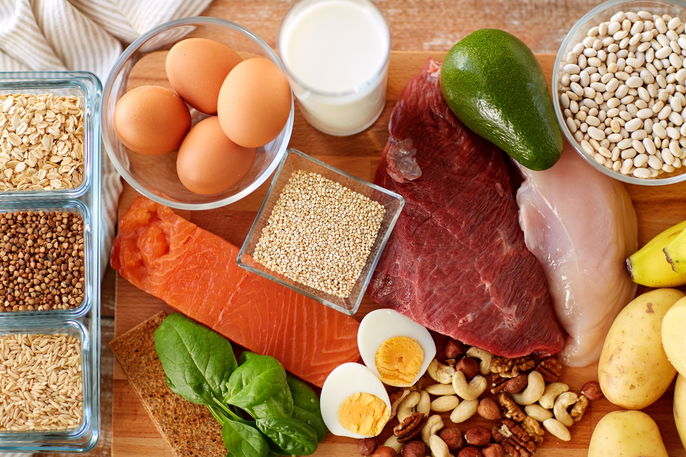
Protein-rich foods include animal-based foods, such as meat, fish, eggs, milk, and dairy products. They also include some plant-based foods, such as soybeans, beans, chickpeas, peanuts, sesame seeds, and lentils.
Main benefits
The main functions and benefits of protein include:
1. Building muscle
Proteins, such as actin and myosin, are essential for muscle contraction and muscle formation. Therefore, adequate protein intake is important for maintaining and increasing muscle mass.
The recommended daily protein intake for building and maintaining muscle mass varies based on a person’s weight, age, and physical activity level.
Also recommended: How to Build Muscle: 12 Proven Tips for Faster Results tuasaude.com/en/how-to-build-muscle2. Producing antibodies
Immunoglobulins are proteins that act as antibodies. They bind to viruses and bacteria, helping the body fight diseases and infections. Mucins help protect the body’s mucous membranes, while fibrinogen supports blood clotting.
In addition to adequate protein intake, other nutrients, such as zinc, selenium, and omega-3 fatty acids, are also important for producing and maintaining antibodies.
3. Balancing hormones
Proteins help balance hormones because they are involved in hormone production. Some hormones made from protein include insulin and glucagon, which regulate blood sugar levels; calcitonin, which regulates calcium metabolism; and growth hormone, which supports development in children and adolescents.
4. Transporting oxygen and nutrients
Hemoglobin carries oxygen in the blood, while myoglobin stores and transports oxygen in the muscles. Adequate protein intake helps support this process and may prevent problems such as anemia, weakness, pale skin, and low energy.
Lipoproteins are proteins that transport cholesterol, triglycerides, and fat-soluble vitamins. Transferrin helps transport iron, while albumin carries fatty acids and hormones.
5. Supporting joint health
Collagen is a protein found in tendons that works as a cushion between the bones. It helps support joint health, reduce wear and tear, and prevent joint pain.
6. Providing energy
Proteins can also provide energy for the body, especially when carbohydrate or fat intake is low. Each gram of protein provides 4 calories, the same amount as carbohydrates.
7. Maintaining a healthy nervous system
Proteins help keep the nervous system healthy because they are components of neurotransmitters, such as adrenaline and acetylcholine. These neurotransmitters carry nerve signals involved in thoughts, emotions, and the commands that help the body work properly.
8. Supporting wound healing
Proteins are essential for forming new cells, tissues, blood vessels, and connective tissue, which helps support wound healing.
For this reason, it is important to maintain adequate protein intake after an injury or surgery, such as bariatric surgery, a cesarean delivery (C-section), or an organ transplant.
9. Keeping the skin, nails, and hair healthy
Collagen is a protein that helps keep the skin firm, reducing sagging, wrinkles, and fine lines.
Keratin is a protein found in hair and nails. It helps strengthen them and prevent brittle nails and hair loss.
Foods high in protein
Some animal- and plant-based foods that are rich in protein include meat, milk, yogurt, beans, peanuts, almonds, soybeans, and chickpeas.
Check out more high-protein foods and how to add them to your diet.
Types of protein
The types of protein vary according to the proportion of amino acids present in foods:
1. High biological value (complete) proteins
Complete proteins contain all essential amino acids, which must be obtained through food, in the right amounts for the body.
According to the FDA, animal foods such as dairy products, eggs, meat, poultry, and seafood are complete protein sources, while most plant foods, such as beans, grains, nuts, peas, seeds, and vegetables, are incomplete protein sources.
2. Low biological value (incomplete) proteins
Incomplete proteins do not provide enough of one or more essential amino acids. They are mostly found in plant-based foods, such as legumes, grains, nuts, seeds, and vegetables.
For this reason, people following vegetarian diets are advised to eat a variety of plant-based protein sources. Examples include lentils with rice, rice with beans, and pasta with chickpeas.
How much protein should I eat?
The recommended daily amount of protein varies depending on a person’s age and weight, as shown below:
-
Children 7 to 12 months: 1.2 g of protein per kg of body weight per day
-
Children 1 to 3 years: 1.05 g of protein per kg of body weight per day
-
Children 4 to 13 years: 0.95 g of protein per kg of body weight per day
-
Adolescents 14 to 18 years: 0.85 g of protein per kg of body weight per day
-
Adults 19 years and older: 0.80 g of protein per kg of body weight per day
According to the National Academies of Sciences, Engineering, and Medicine, these recommendations are based on the Dietary Reference Intakes (DRIs) for healthy people.
Protein needs are higher during pregnancy and breastfeeding. People who are pregnant should consume 1.1 g of protein per kg of body weight per day, while people who are breastfeeding should consume 1.3 g per kg of body weight per day.
