


- Proctitis can cause rectal pain, bleeding, mucus in the stool, diarrhea, and a frequent urge to have a bowel movement.
- Common causes include infections, inflammatory bowel disease, radiation therapy, and certain medications.
- Treatment depends on the cause and may involve antibiotics, antiviral drugs, anti-inflammatory medications, or surgery in severe cases.
Proctitis is inflammation of the lining of the rectum. It can develop because of infections, inflammatory bowel disease, radiation therapy, or the use of certain medications.
This condition commonly causes symptoms such as rectal or anal pain, anal bleeding, blood or mucus in the stool, tenesmus (the feeling of needing to have a bowel movement even when the rectum is empty), and difficulty passing stool.
If you have symptoms of proctitis, it is important to see a gastroenterologist or colorectal surgeon for an evaluation. Treatment depends on the underlying cause and may include antibiotics, antiviral medications, anti-inflammatory medications such as mesalamine, or, in severe cases, surgery.
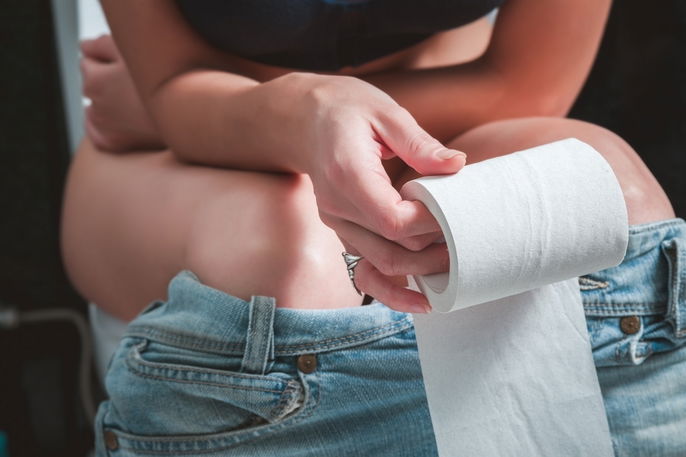
Proctitis symptoms
The main symptoms of proctitis include:
-
Rectal or anal pain
-
Difficulty having a bowel movement
-
Diarrhea
-
A frequent urge to have a bowel movement
In more severe cases, ulcers may develop in the lining of the rectum. These ulcers can be detected during diagnostic testing and may cause pain or discomfort during bowel movements, along with blood and mucus in the stool.
Confirming a diagnosis
Proctitis is diagnosed by a colorectal surgeon or gastroenterologist based on your symptoms, a physical examination, and tests such as anoscopy, sigmoidoscopy, or colonoscopy to evaluate the rectum and the rest of the large intestine.
According to the National Institute of Diabetes and Digestive and Kidney Diseases (NIDDK), blood tests, rectal cultures, stool tests, and biopsies may also be used to help identify the cause and severity of proctitis.
Possible causes
Proctitis can have several causes, with inflammatory (immune-mediated) conditions and infections being the most common. The main causes include:
-
Sexually transmitted infections (STIs), such as herpes, gonorrhea, syphilis, chlamydia, or cytomegalovirus (CMV). These infections are more common in people who have receptive anal sex and in those with weakened immune systems.
-
Infections such as rectal schistosomiasis, amebiasis, or infection with the bacterium Clostridioides difficile (C. diff), which can cause severe intestinal inflammation known as pseudomembranous colitis. This is most common in people who are taking or have recently taken antibiotics.
-
Inflammatory bowel disease, including Crohn's disease and ulcerative colitis, which are immune-mediated conditions that cause chronic inflammation in the digestive tract.
-
Radiation proctitis caused by radiation therapy used to treat cancer.
-
Problems affecting the nerves or blood supply to the rectum, such as ischemia or certain rheumatic diseases.
-
Allergic colitis caused by cow’s milk protein allergy (CMPA). This condition is more common in infants.
-
Medication-induced colitis, especially from antibiotics that disrupt the normal balance of bacteria in the intestines.
It is also important to remember that lesions in the rectum or anus may be a sign of colorectal or anal cancer. In some cases, no underlying cause can be identified. This is referred to as idiopathic proctitis.
Treatment options
Treatment for proctitis depends on the underlying cause and should be guided by a gastroenterologist. A colorectal surgeon may also be involved if complications develop or surgery is being considered.
Antibiotics or antiviral medications may therefore be prescribed when an infection is responsible. According to the CDC, treatment for sexually transmitted proctitis should target the specific infection identified or suspected.
If certain foods or medications are contributing to the inflammation, a healthcare provider may recommend avoiding or discontinuing them.
Anti-inflammatory medications may be taken by mouth or administered rectally. These may include corticosteroids, mesalamine, or sulfasalazine, particularly when proctitis is associated with inflammatory bowel disease. In some cases, immunosuppressive medications may also be needed.
Surgery is uncommon but may be recommended when symptoms do not improve with other treatments, serious complications develop, or the rectal tissue is severely damaged because of reduced blood flow.
Home remedies
Home care measures may help support recovery during treatment, but they should never replace medical care or the treatment recommended by your healthcare provider.
During treatment, your healthcare provider may recommend eating foods that are easy to digest, such as fruit juice, white rice, regular pasta, lean meats, plain yogurt, soups, and cooked vegetables.
It is also generally recommended to avoid foods with peels or seeds, nuts, corn, beans, carbonated beverages, caffeine, alcohol, and spicy foods.
