


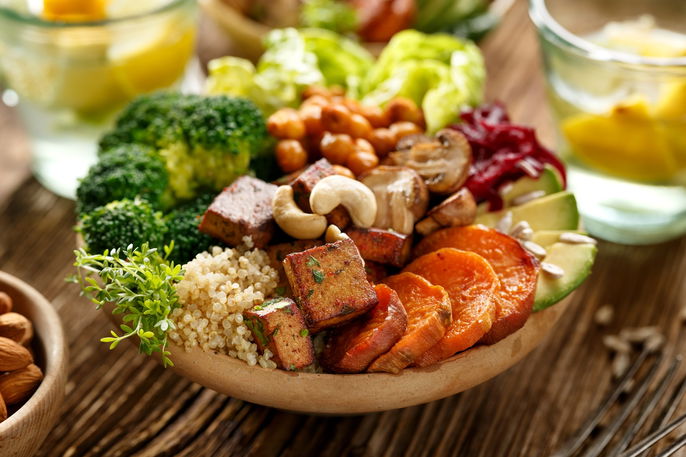
A plant-based diet is an eating pattern that prioritizes plant-based foods. This includes fruits, vegetables, leafy greens, legumes, nuts, tubers, seeds, and whole grains.
Because it is rich in fiber, antioxidants, vitamins, and minerals, and low in saturated fat, a plant-based diet can offer many health benefits. It may help lower the risk of heart disease and cancer, while also supporting gut health.
A plant-based diet does not have to be restrictive. Some people follow a vegan diet, which excludes all animal products, while others include small amounts of animal protein, such as beef, poultry, fish, seafood, or dairy.
Main benefits
The main health benefits of a plant-based diet include:
1. Reducing the risk of cardiovascular disease
According to the American Heart Association, a nutritious plant-based diet is associated with a lower overall risk of cardiovascular disease.
This benefit is largely due to its high fiber content, which reduces fat absorption in the intestines and helps regulate levels of LDL (“bad”) cholesterol and triglycerides in the blood.
In addition, a plant-based diet is low in saturated fat and provides good amounts of antioxidants, which help keep the arteries healthy and prevent fat cells from being oxidized by free radicals.
2. Helping with weight control and weight loss
A plant-based diet focuses on fruits, vegetables, and whole grains, which are typically lower in calories and high in fiber.
Because of this, the diet may help lower overall calorie intake and keep hunger in check between meals, supporting weight management and weight loss.
However, to lose weight, it is also important to maintain a calorie deficit and exercise regularly, such as through swimming, dancing, running, or strength training.
3. Supporting gut health
A plant-based diet supports gut health because it is rich in fiber, which adds bulk to stool and promotes regular bowel movements. This helps stool pass more easily and reduces the risk of constipation.
Plant-based foods also contain resistant starch, fiber, and fermentable polyphenols that encourage the growth of beneficial gut bacteria. These microbes help strengthen the intestinal barrier and support overall digestive health.
4. Preventing premature aging
Rich in antioxidant-containing foods, a plant-based diet helps protect skin cells from damage caused by free radicals, reducing the risk of premature aging, wrinkles, and loss of firmness.
5. Reducing the risk of diabetes
Plant-based foods can improve how the body uses insulin, lower fasting blood sugar levels, and reduce glycated hemoglobin (HbA1c).
As a result, a plant-based diet may help lower the risk of insulin resistance and type 2 diabetes.
6. Helping regulate the immune system
A plant-based diet emphasizes fruits, vegetables, whole grains, nuts, seeds, and legumes, which are rich in vitamins, minerals, and antioxidants. These nutrients help support immune cell function, regulate the immune system, and strengthen the body’s ability to fight viruses, bacteria, and fungi.
7. Reducing the risk of cancer
A plant-based diet is rich in vitamins, minerals, and antioxidants that fight free radicals. This may help reduce the risk of some types of cancer, especially cancers of the gastrointestinal (GI) tract.
8. Supporting brain health
A plant-based diet provides a rich supply of antioxidants that help protect nerve cells from oxidative stress, supporting cognitive function.
As a result, it may promote brain health, help prevent memory decline, and lower the risk of neurodegenerative conditions such as Parkinson’s disease, Alzheimer’s disease, and other forms of dementia.
Getting started
To follow a plant-based diet, it is recommended to prioritize plant-based and minimally processed foods, such as fruits, whole grains, vegetables, tubers, legumes, seeds, and healthy fats. It is also recommended to reduce or avoid fried foods, sugar, refined grains, and ultra-processed foods.
However, a plant-based diet does not have to be restrictive. Some people may follow a vegan eating pattern and avoid all animal-based foods, while others may eat small portions of animal protein, such as beef, chicken, fish, and yogurt.
Plant-based diet vs vegan diet
A vegan diet is an eating pattern that excludes all animal-based foods, such as meat, eggs, milk, and honey. Veganism also avoids products of animal origin, such as leather, natural fur, creams with animal-derived ingredients, or products tested on animals.
A plant-based diet, on the other hand, does not necessarily eliminate animal products. Instead, it mainly prioritizes plant foods, such as fruits, vegetables, nuts, seeds, and whole grains.
Foods to eat
Foods commonly recommended in a plant-based diet include:
-
Vegetables and leafy greens, such as tomatoes, lettuce, arugula, squash, cucumbers, okra, kale, green beans, and gherkin
-
Fruits, such as apples, pears, oranges, papaya, mangoes, grapes, strawberries, and tangerines
-
Legumes, such as lentils, chickpeas, beans, and soy
-
Whole grains, such as brown rice, whole wheat bread, quinoa, whole wheat pasta, sorghum, oats, and corn
-
Tubers, such as potato, yam, taro, sweet potato, and cassava
-
Nuts, such as walnuts, almonds, hazelnuts, peanuts, and Brazil nuts
-
Plant proteins, such as tofu, tempeh, natto, and seitan
-
Seeds, such as chia seeds, pumpkin seeds, sunflower seeds, and flaxseeds
-
Healthy fats, such as olive oil, canola oil, flaxseed oil, and avocado oil
-
Plant-based beverages, such as soy, almond, coconut, rice, or hazelnut milk.
Since following a vegan diet is not required, some people may adopt a flexitarian diet or pescatarian eating style and consume small to moderate amounts of fish and seafood, eggs, milk and dairy products, and poultry.
Foods to avoid
When following a plant-based diet, the following foods should be avoided:
-
Processed meats, such as sausage, hot dogs, salami, bacon, ham, turkey breast, and mortadella
-
Foods high in refined sugar, such as soda, packaged juices, ice cream, chocolate, and cereal bars
-
Foods high in saturated fat, such as French fries, packaged snacks, fried pastries, and cookies
-
Refined grains, such as white rice, white bread, and white pasta
It is also important to avoid ultra-processed products labeled as plant-based that may contain high amounts of sodium, sugar, and fats, such as “plant-based sausage,” “plant-based burgers,” and “plant-based bacon.”
If choosing to eat these foods, it is important to always check the ingredient list.
Meal plan
The table below shows an example of a 3-day plant-based meal plan:
The foods and portion sizes in this meal plan may vary based on your age, activity level, and overall health. It’s best to talk to a registered dietitian for personalized guidance.
Potential risks
A plant-based diet is generally safe for people of all ages. However, diets that include only plant foods, especially if not well planned, may lead to deficiencies in nutrients such as vitamin B12, vitamin D, iodine, iron, and zinc.
In these cases, consulting a registered dietitian is recommended to assess nutritional needs and determine whether fortified foods or supplements are necessary.
