


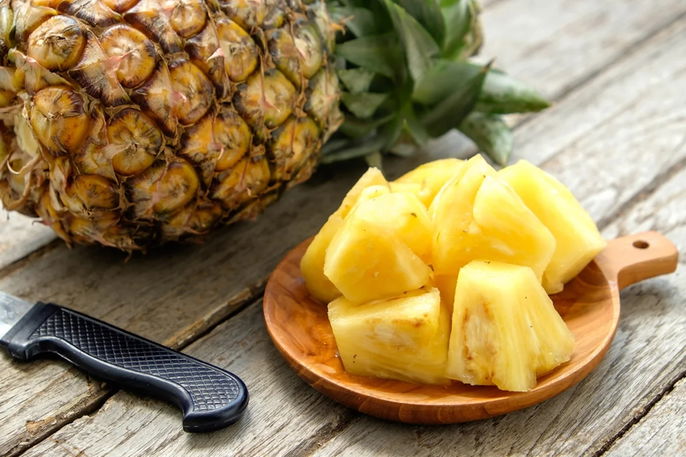
Pineapple is a tropical fruit that offers several health benefits, such as protecting against cardiovascular disease, reducing fluid retention, strengthening the immune system, and supporting weight loss.
These benefits are due to its high content of vitamins, minerals, fiber, phenolic compounds, carotenoids, and an enzyme called bromelain, which has antioxidant, immune-boosting, and diuretic properties.
Pineapple can be eaten fresh, dried, or canned, and can also be used to make juices, salads, yogurt, and desserts. When choosing canned or dried pineapple, it's best to go for options with no added sugar.
Health benefits
The main benefits of pineapple include:
1. Supports weight loss
Pineapple is high in water and fiber, which can help increase satiety between meals and reduce appetite. It also has diuretic properties that help eliminate excess fluid, contributing to weight loss.
In addition, pineapple is low in calories, making it a good option for weight-loss diets.
2. Helps regulate blood pressure
Pineapple is often recommended for people with high blood pressure or a family history of this condition.
This is because it is rich in potassium, which helps eliminate excess sodium through the urine, and magnesium, which relaxes blood vessels and has anti-inflammatory effects, helping regulate blood pressure and prevent hypertension.
3. Boosts the immune system
Pineapple is rich in vitamin C and polyphenols, which help strengthen the immune system. These nutrients support the body in fighting off viruses and bacteria and help prevent infections.
4. Improves physical performance
Thanks to its content of magnesium, potassium, and easily digestible carbohydrates, pineapple is a good choice before or after workouts. It provides energy and minerals that aid in muscle recovery, enhance strength, and help prevent muscle cramps.
5. Reduces cancer risk
Pineapple is a good source of antioxidants like vitamin C, polyphenols, carotenoids, tannins, and bromelain. These compounds help neutralize excess free radicals in the body, which may reduce the risk of cancer development.
6. Prevents cardiovascular disease
With its combination of vitamin C, polyphenols, carotenoids, and phytosterols, pineapple helps prevent cell damage and inflammation, lowers cholesterol levels, and supports heart health. This may help prevent conditions like heart attack, atherosclerosis, and stroke.
7. Has anti-inflammatory effects
Pineapple has natural anti-inflammatory properties, mainly due to bromelain, an enzyme found mostly in the core of the fruit. It may help reduce inflammation in respiratory conditions such as sinusitis and bronchitis, as well as in digestive tract issues like ulcerative colitis.
8. Prevents blood clots
Pineapple has antithrombotic and fibrinolytic properties, which means it may help prevent blood clots from forming, reducing the risk of thrombosis.
Nutrition facts
The table below shows the nutritional information for 100 g of fresh pineapple, which equals about one large slice:
To fully enjoy the benefits of pineapple, it should be included as part of a balanced and healthy diet along with regular physical activity.
How to eat
Pineapple can be eaten fresh, dried, or canned, and it can also be used in juices, smoothies, salads, yogurt, and desserts.
There’s no specific recommended daily amount for pineapple, but general fruit guidelines suggest 2 to 3 servings a day, which is about 160 g to 240 g daily.
The ideal amount of fruit can also vary based on a person’s health status, body weight, and nutritional needs. A registered dietitian can provide personalized advice on how much fruit to include in a daily diet.
Pineapple recipes
Here are a few simple recipes using pineapple:
1. Pineapple juice
Ingredients:
-
1 whole pineapple, peeled and cored
-
6 cups of water (approx.)
-
Juice of 1 lemon
Directions:
Blend the pineapple, water, and lemon juice until smooth. Serve over ice and keep refrigerated. Read more about the benefits of pineapple juice.
2. Pineapple cake
Ingredients for the cake:
-
1 egg
-
2 tablespoons low-fat plain yogurt
-
1 teaspoon light cream cheese
-
1 ½ tablespoons oat bran
-
1 tablespoon powdered skim milk
-
½ packet of sugar-free pineapple ginger powdered juice mix
-
1 teaspoon baking powder
-
Vanilla extract to taste
Ingredients for the topping:
-
4 tablespoons powdered skim milk
-
100 ml skim milk
-
½ packet of sugar-free pineapple ginger powdered juice mix (same as used in the batter)
-
1 teaspoon sugar-free pineapple gelatin
-
Diced pineapple to top
Directions:
Beat the egg with a fork or mixer until creamy. Add the remaining ingredients and mix well until smooth.
Pour the batter into a microwave-safe container in your desired cake shape and microwave for about 2 minutes and 30 seconds, or until the batter starts to pull away from the edges.
To make the topping, mix all ingredients until creamy and spread over the cake. Add diced pineapple on top.
3. Pineapple mousse
Ingredients:
-
½ chopped pineapple
-
100 ml water for cooking
-
2 tablespoons granulated sweetener suitable for cooking
-
500 ml skim milk
-
135 ml warm water
-
1 packet sugar-free pineapple gelatin
-
1 teaspoon vanilla extract
Directions:
Cook the chopped pineapple with water and sweetener for about 6 minutes. Dissolve the gelatin in warm water, then blend with the milk and vanilla extract.
Add the cooked pineapple to the gelatin mixture and pulse briefly in the blender to combine without fully blending the fruit. Pour into a mold and refrigerate until set.