


Pectin is a soluble fiber naturally present in fruits and vegetables such as apples, beets, and citrus fruits. It helps hydrate and soften stool, making it easier to pass, and also supports healthy gut bacteria, which can promote regular bowel movements.
This type of fiber dissolves in water and forms a thick gel in the stomach. Because it stays there longer, it can help a person feel fuller and less hungry.
Pectin forms a thick gel that gives fruit jellies their characteristic texture. It is also added to processed foods such as yogurt, juices, breads, and sweets to improve their texture and make them creamier.
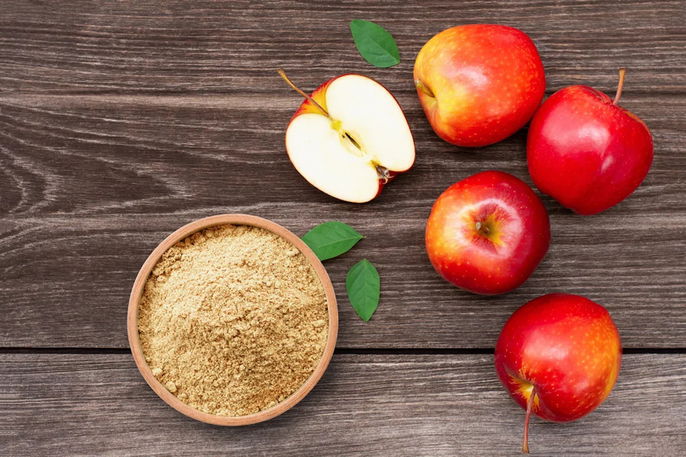
Health benefits
The main benefits of pectin include:
1. Relieving diarrhea or constipation
Pectin adds bulk to stool and helps keep it hydrated, while also helping maintain healthy gut bacteria.
For this reason, pectin may be helpful in the treatment of constipation and diarrhea, especially in children and people with irritable bowel syndrome (IBS).
In addition, some scientific studies suggest that pectin may help prevent inflammatory bowel diseases, such as ulcerative colitis and Crohn’s disease, and even colon cancer.
2. Increasing the feeling of fullness
Because it is a soluble fiber, pectin helps delay stomach emptying by forming a thick mixture that stays in the stomach longer.
This can help a person feel fuller, reduce appetite, and support weight loss. The American Heart Association notes that fiber can support weight management by promoting feelings of fullness.
3. Acting as a prebiotic
As a soluble fiber, pectin serves as food for beneficial gut bacteria, helping maintain a balanced gut microbiota.
Prebiotics are non-digestible compounds found in certain foods that promote the growth and activity of beneficial bacteria in the intestine.
4. Preventing cardiovascular disease
Pectin helps lower LDL (“bad”) cholesterol and triglycerides because this type of fiber reduces their absorption in the intestine and increases fat excretion in the stool.
In this way, pectin may help prevent cardiovascular diseases such as heart attack, stroke, and atherosclerosis.
5. Preventing and managing diabetes
Pectin may help stabilize blood sugar levels by slowing the digestion and absorption of carbohydrates.
This can be beneficial for managing type 2 diabetes and preventing glucose spikes.
6. Strengthening the immune system
By improving digestive health and intestinal function, pectin may strengthen the immune system and help control inflammation through its immunomodulatory properties.
The gut microbiota communicates with immune cells, such as T cells, B cells, and dendritic cells, through a variety of signaling pathways.
Soluble fibers, because of their prebiotic properties, are therefore essential for maintaining a balanced gut microbiota and, as a result, a healthy immune system.
7. Preventing allergies
According to some scientific studies, pectin may affect allergy-related immune responses, although the exact mechanism is still not fully understood.
However, as a soluble fiber and prebiotic, pectin helps prevent gut dysbiosis, which is an imbalance in the gut microbiota that may come before the development of food allergies.
Food sources
Foods that are especially high in pectin include:
-
Apples
-
Oranges
-
Tangerines
-
Lemons
-
Currants
-
Blackberries
-
Peaches
-
Carrots
-
Tomatoes
-
Potatoes
-
Beets
-
Peas
In addition, some processed foods also contain pectin to improve texture, such as yogurt, jellies, cakes and fruit pies, pasta, candies and sugary confections, and tomato sauces.
How to make
Homemade pectin can be used to make fruit jellies creamier, and one of the easiest ways to prepare it is with apples.
To make homemad pectin, place 10 whole green apples, washed and with the peel and seeds intact, in 1.25 liters (5 ⅓ cups) of water and cook them until soft. After cooking, pour the apples and cooking liquid into a sieve lined with cheesecloth and let the mixture strain slowly through the cloth overnight.
The next day, the thick, gelatinous liquid that has passed through the sieve is apple pectin, which can be frozen in portions for later use. The estimated amount is 150 mL (5 oz) of pectin for every 2 kg (4.5 lb) of fruit.
Where to buy
Pectin can be found in liquid or powder form in nutrition stores and pharmacies, and it can be used in recipes for cakes, cookies, homemade yogurt, and jellies.
Possible side effects
Pectin is generally safe to consume. However, eating large amounts may cause increased gas and abdominal bloating in some people, and the National Institute of Diabetes and Digestive and Kidney Diseases notes that some individuals experience more gas when they consume too much fiber.