


A drug overdose occurs when a person takes an excessive amount of a drug, medication, or other substance, whether by swallowing, inhaling, or injecting it directly into the bloodstream.
In most cases, drug overdose happens with opioids such as morphine or heroin, which primarily cause breathing problems. However, many other drugs can also lead to overdose, and drug overdose symptoms can vary depending on the type of substance involved.
Regardless of the symptoms, whenever someone is found unconscious and shows signs of drug or medication use, it is essential to seek immediate medical assistance by calling 911 or taking the person to the hospital so that treatment for overdose can begin as quickly as possible.
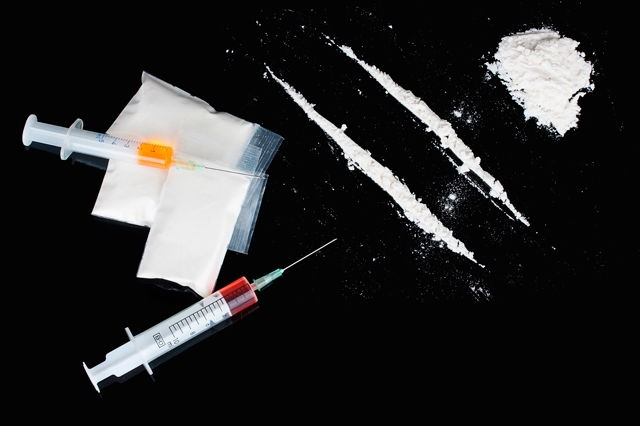
Overdose from depressant drugs
Depressant drugs slow down the activity of the nervous system and are commonly used to promote relaxation. The main drug overdose symptoms caused by depressants include:
-
Shallow or difficult breathing
-
Gurgling or bubbling sounds when breathing, suggesting airway obstruction
-
Bluish lips or fingertips
-
Weakness and extreme drowsiness
-
Constricted pupils
-
Disorientation
-
Slowed heart rate
-
Loss of consciousness or unresponsiveness
Even if medical help is provided in time, an overdose involving depressant drugs can cause permanent brain damage due to a lack of oxygen.
The main depressant drugs are opioids, which include illegal substances such as heroin and prescription pain relievers for severe pain, such as codeine, oxycodone, fentanyl, and morphine. Antiepileptic medications and sleeping pills also belong to this category.
For people who use opioids regularly, an “anti-overdose kit” may be available, containing a naloxone auto-injector. Naloxone is an FDA-approved medication that reverses the effects of opioids on the brain and can save a person’s life when used quickly after the first signs of overdose.
Overdose from stimulant drugs
Stimulant drugs increase the activity of the nervous system, leading to greater alertness, euphoria, and excitement. The main drug overdose symptoms caused by stimulants include:
-
Extreme agitation
-
Confusion
-
Dilated pupils
-
Chest pain
-
Severe headache
-
Seizures
-
Fever
-
Rapid heartbeat
-
Agitation, paranoia, or hallucinations
-
Loss of consciousness
Using several drugs at the same time or having poor nutrition can increase the risk of overdose and even death.
Stimulant drugs are often used by teenagers and young adults to enhance energy levels, concentration, self-confidence, and sociability. Common examples include cocaine, methamphetamine, LSD, and ecstasy (MDMA).
Overdose from over-the-counter medications
Although most over-the-counter (OTC) medications, such as acetaminophen (Tylenol) and ibuprofen (Advil, Motrin), are generally safe when used correctly, they can still cause overdose if taken in excessive amounts. It is important to follow dosage instructions carefully and consult a healthcare provider, especially when giving medication to children.
One of the most common cases is acetaminophen overdose, which often occurs in suicide attempts. This medication can cause severe liver damage when taken in doses higher than recommended. The most common drug overdose symptoms in these cases include:
-
Intense pain in the upper right side of the abdomen
-
Nausea and vomiting
-
Severe dizziness
-
Seizures
-
Fainting
Depending on the amount ingested, symptoms may take two to three days to appear, but liver damage starts soon after the medication is taken. Therefore, whenever someone takes more than the recommended dose, they should go to the hospital immediately, even if no symptoms are present.