


Omega-3 foods are foods that contain omega-3 fatty acids, a type of healthy fat that supports heart and brain health. Common omega-3 foods include fatty fish like salmon, sardines, and tuna, as well as plant sources such as flaxseeds, chia seeds, walnuts, and certain vegetable oils.
Regular intake of omega-3 foods may help support cardiovascular health by contributing to healthy blood pressure and triglyceride levels. These foods are also associated with brain function and may help support memory, concentration, and mood.
Omega-3 foods can come from natural sources like fish, seeds, and nuts, as well as foods enriched with omega-3. Daily intake needs vary by age and life stage, and omega-3 may also be consumed through supplements when recommended by a healthcare professional.
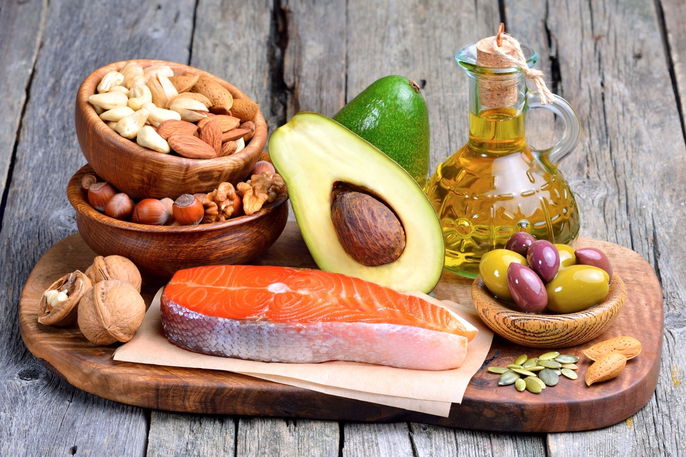
Food sources
The table below indicates the amount of omega-3 naturally found in 100 grams of selected foods:
Many omega 3 foods can be easily added to daily meals and may complement treatment for certain inflammatory conditions when recommended by a healthcare professional.
Including fish and other foods rich in omega-3 fatty acids at least twice per week is associated with cardiovascular benefits and a lower risk of heart disease, according to the American Heart Association.
These foods are also associated with better brain function, helping support memory, concentration, and mood.
Enriched foods
Foods such as butter, milk, eggs, and bread can be fortified with omega-3, offering an easy way to boost your daily intake.
The amount and quality of omega-3 in these foods are quite low. Whenever possible, choose foods that are naturally rich in this nutrient, and try to include at least two servings of them each week.
Daily recommended dose
The daily recommended dose of omega-3 varies according to age and sex, and is outlined below:
These values are in line with the Adequate Intake levels for alpha‑linolenic acid (ALA), a plant-based omega‑3, as reported by the U.S. National Academies and the National Institutes of Health’s Office of Dietary Supplements.
When to supplement
Omega-3 supplements are usually available in capsules containing fish oil, krill oil, cod liver oil, or plant-based oils such as seaweed oil. These products should be recommended by a doctor or registered dietitian. Fish oil capsules typically provide 1,000 mg of oil per serving, with about 180 mg of EPA and 120 mg of DHA.
Omega-3 supplements can be used during pregnancy and breastfeeding when there is a deficiency of this nutrient or when triglyceride levels in the blood are high.
Healthy recipes
The following recipes are rich in omega-3 and make a great addition to a healthy, balanced diet:
1. Low-carb pancakes with flaxseed and chia seeds
Ingredients:
- 1 egg
- 30 mL of water
- 10 mL of cream
- 10 g of flaxseed flour
- 1 teaspoon of chia seeds
- 140 g of spinach (washed and rinsed)
- 1 tablespoon of olive oil
- ¼ of an onion, diced
- 1 pinch of oregano
- 3 pinches of salt
- 50 g of fresh ricotta
Directions:
In a bowl, whisk together the egg, water, and cream. Then add the flour, salt, and chia seeds and knead until you have a smooth batter. Heat the butter and olive oil in a frying pan, just enough to coat the bottom. When the oil is hot, pour in a ladleful of batter and let it spread into a pancake. Cook until the underside is set and golden, then flip. Repeat with the remaining batter to make more pancakes.
For the topping, heat a frying pan with olive oil. Add the onion and cook, stirring, until golden. Add the spinach, oregano, and 2 pinches of salt. Stir for 1 minute, then remove from the heat. Mix the ricotta with the spinach mixture and spoon over the pancakes. You can finish with a sauce of your choice.
2. Grilled tuna with veggies
Ingredients:
- 400 g of potatoes
- 4 tuna fillets
- 1 red onion
- 2 carrots
- 1 squash
- 2 garlic cloves
- 1 teaspoon of capers
- 1 handful of coriander
- ½ cup + 1 tablespoon of olive oil
- 1 tablespoon of sunflower seeds
- Black pepper as desired
Directions:
Preheat the oven to 390ºF (200ºC). Wash the potatoes and slice them thinly, then place the slices in a bowl of cold water. Thinly slice the onions and carrots, mash the garlic cloves, and set them aside. In a blender, combine the capers, coriander, and 1/2 cup of olive oil, then set this mixture aside.
Strain the potatoes and pat the slices dry with a towel, then place them in a clean bowl. Add the remaining prepared vegetables and toss with 1 tablespoon of the coriander sauce. Spread the seasoned vegetables on a baking tray lined with aluminum foil or greased with butter, and bake in the oven for 20 to 30 minutes.
Heat 1 tablespoon of olive oil in a frying pan and swirl to coat the base. Once hot, fry the tuna fillets for about 3 minutes on each side. Then pour the remaining coriander sauce over the tuna and serve with the vegetables, sprinkling sunflower seeds on top.