


Nutritional yeast is a deactivated form of Saccharomyces cerevisiae that serves as a potent source of protein, fiber, and B-complex vitamins. Incorporating this supplement into a daily routine allows for various nutritional yeast benefits, such as increased energy levels and improved antioxidant protection against cellular aging.
Regular consumption supports the immune system through beta-glucans while helping to manage LDL cholesterol levels and prevent iron-deficiency anemia. Other significant nutritional yeast benefits include the relief of irritable bowel syndrome symptoms and the promotion of muscle mass growth in athletes.
This versatile ingredient is easily added to common foods like yogurt, pasta, or sauces to boost the nutritional value and provide multiple nutritional yeast benefits to vegetarians and athletes. Using a heaping tablespoon daily ensures an adequate intake of essential minerals like zinc, iron, and selenium for optimal health maintenance.
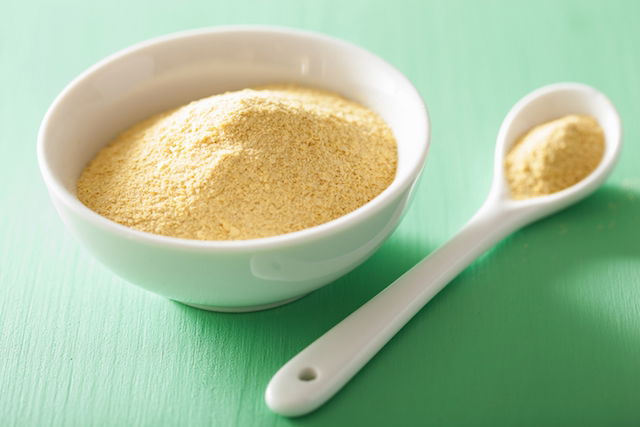
Health benefits
Nutritional yeast can be used to achieve many health benefits, such as:
1. Helping to treat irritable bowel syndrome
Some studies show that nutritional yeast can help to treat symptoms of irritable bowel syndrome (IBS), which is a disorder associated with gas, diarrhea, constipation and abdominal pain. Because it is rich in nutrients, nutritional yeast can provide prebiotic effects that improve intestinal functioning and improve general malaise from this illness.
2. Strengthening the immune system
Nutritional yeast is a great source of B-complex vitamins, selenium, zinc and iron. These nutrients are essential for optimal immune system function. In addition, this supplement contains beta-glucans, which are carbohydrates that act like immunomodulators that stimulate immune system cells. This process can help to prevent infectious diseases and promote wound healing.
3. Improving respiratory infections
Because it contains compounds that boost immune function, nutritional yeast can be used to fight active upper respiratory infections. It can reduce symptoms and make them more mild, as well as prevent their occurrence.
4. Boosting mood
Nutritional yeast is rich in carbohydrates, B-complex vitamins and iron, which are nutrients that are essential for optimal energy, as well as mental and physical performance.
5. Providing antioxidant action
Nutritional yeast is rich in antioxidants like glutathione and selenium, which protects cells against damage from free radicals. This protects the cells against changes to their normal functioning, which, consequently, prevents cancer and early aging.
6. Preventing anemia
Nutritional yeast is rich in B-complex vitamins and iron, which are essential for red blood cell formation. These cells are important for the transport of oxygen throughout the body, and low levels can lead to anemia.
7. Increasing muscle mass
Nutritional yeast is very high in protein and B-complex vitamins, which makes it a beneficial tool for athletes or people looking to increase their muscular mass. It can be used before or after working out, and can be added to yogurt, milk or fruit.
Check out other muscle-building foods that you can add to your diet to achieve muscle gains.
8. Decreasing LDL cholesterol
Nutritional yeast is rich in fiber and beta-glucans, which are compounds that decrease LDL cholesterol and increase HDL cholesterol. Therefore, nutritional yeast may prevent cardiovascular diseases like atherosclerosis and heart attacks.
Learn more about the types of cholesterol and what the normal levels are.
How to use
To maximize the nutritional yeast benefits, you can incorporate this versatile ingredient into your daily meals in several creative ways. Because it has a savory, "cheesy," and nutty flavor, it serves as both a health supplement and a flavor enhancer.
-
As a dairy-free topping: Sprinkle a tablespoon over popcorn, roasted vegetables, or baked potatoes to enjoy a cheesy taste without the saturated fat of dairy.
-
In main dishes: Stir it into pasta sauces, risottos, or stews. It acts as a natural thickener and adds a deep umami flavor to vegan or vegetarian recipes.
-
For breakfast: Mix it into scrambled eggs or tofu scrambles. Athletes often blend it into morning smoothies or savory oatmeal to start the day with a high-protein boost.
-
As a binder: Use it in place of breadcrumbs for coating tofu, tempeh, or chicken to create a crispy, nutrient-dense crust.
it is best to introduce the supplement gradually into your diet to allow the digestive system to adapt to the high fiber content. You should also opt for versions that are fortified with vitamin B12.
Storing the yeast in a cool, dark place and adding it to dishes at the end of the cooking process helps preserve heat-sensitive vitamins and potent antioxidants.
Nutritional value
The following table outlines nutrient quantities in 15 g of nutritional yeast:
Note that 15 g of nutritional yeast is roughly equivalent to 1 heaping tablespoon. It is important to check the product package itself, as nutritional yeast may or may not be fortified, leading to varying amounts of components from brand to brand.