


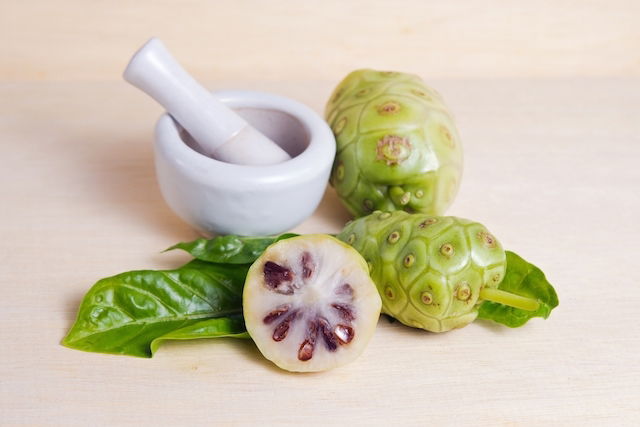
Noni is a tropical fruit scientifically known as Morinda citrifolia, native to Southeast Asia, Indonesia, and Polynesia. It has been traditionally used in these regions for its proposed medicinal properties and is commonly consumed as a fresh fruit or juice.
Noni contains antioxidants, anti-inflammatory compounds, and antimicrobial substances that are often associated with immune support and protection against chronic conditions. However, most of these effects are based on its nutritional composition rather than strong scientific evidence.
Despite its popularity, noni may pose health risks when consumed in large amounts, particularly in juice form. Reports of liver toxicity, unproven cancer claims, and uncertain effects on weight loss highlight the importance of caution and medical guidance when considering noni consumption.
Possible benefits
Although there are still few studies on the therapeutic effects of noni, its nutritional composition allows for some potential benefits to be considered. These effects are mainly related to the vitamins, minerals, and bioactive compounds found in the fruit, but they have not yet been scientifically confirmed.
1. Antioxidant action
Noni contains vitamin C and other natural antioxidants that may help neutralize free radicals. This action is associated with the prevention of early aging and may help reduce the risk of chronic diseases.
2. Anti-inflammatory and antimicrobial effects
The presence of polyphenols and other phenolic compounds may contribute to anti-inflammatory and antimicrobial activity. These compounds are often associated with helping the body respond to inflammation and infections.
3. Immune system support
Beta-carotene, vitamin A, vitamin C, and B-complex vitamins found in noni may support immune function. These nutrients are involved in cell protection and the body’s natural defense mechanisms.
4. Skin, hair, and nail health
Vitamin A, beta-carotene, and antioxidants may help promote collagen production. This process is important for maintaining skin firmness and supporting healthy hair and nails.
5. Energy and metabolism support
Carbohydrates, proteins, and B-complex vitamins play a role in energy production and metabolic regulation. These nutrients help the body convert food into energy and maintain normal metabolic processes.
6. Contribution to normal organ function
Minerals such as calcium, magnesium, potassium, iron, and phosphorus are essential for proper muscle, nerve, and organ function. These minerals help maintain fluid balance, oxygen transport, and bone health.
Despite these possible benefits, there is not enough scientific evidence to confirm the effectiveness, safe dosage, or long-term safety of noni. For this reason, excessive consumption should be avoided.
Noni may look similar to fruits such as graviola and fruta do conde, but these fruits have different nutritional profiles and properties.
Possible risks
Although this fruit has the potential to have various health benefits, excessive intake can be dangerous and lead to serious liver damage. This side effect was most commonly observed in people who consumed an average of 1 to 2 liters of noni juice over a period of approximately 4 weeks.
In addition, it has been found that concentrations of noni above 1000 mg/kg can have a toxic effect on the body. It can cause gastrointestinal irritation, general malaise and damage to the kidneys and liver. For safety reasons, it is not recommended to consume this fruit in any quantity before speaking to your doctor.
Noni juice recipe
Noni juice can be prepared at home using ripe fruit and simple kitchen tools, although it should be consumed with caution due to possible health risks.
Ingredients
-
3–5 ripe noni fruits (soft, pale yellow or translucent)
-
Filtered water (about 1–2 cups)
-
Optional: a splash of pineapple or orange juice to improve taste
Preparation
To prepare noni jiice juice, start by thoroughly washing 3 to 5 ripe noni fruits under running water to remove any dirt or residue. Cut the fruits into small pieces, place them in a blender, and add 1 to 2 cups of filtered water. Blend until a smooth mixture forms, then strain the liquid using a fine sieve or cheesecloth to separate the juice from the pulp.
If desired, the juice can be mixed with a small amount of pineapple or orange juice to reduce its strong flavor. The prepared noni juice should be stored in a sealed container in the refrigerator and consumed within a few days.
Because noni juice has been associated with liver toxicity when consumed in large amounts, intake should be limited and discussed with a healthcare professional before regular use.
Can noni treat cancer?
In popular culture, noni has been purported to potentially treat various diseases, such as cancer, depression, allergies and diabetes. However, safe consumption has not been scientifically supported and excess intake can put your health at risk. For this reason, the consumption of noni is not recommended until there is concrete evidence of its safety and efficacy, with tests carried out on humans.
At the moment, a substance called damnacanthal, a compound extracted from noni roots, is being studied in various cancer research studies, but without any significant results.
Can noni help with weight loss?
Despite the frequent reports that noni fruit helps with weight loss, it is not scientifically proven. More studies are needed to confirm this effect and the effective dose required to achieve it. In addition, it is normal to lose weight quickly when the body is not functioning adequately, and any weight loss from noni consumption may even be a result of its toxic effects.