


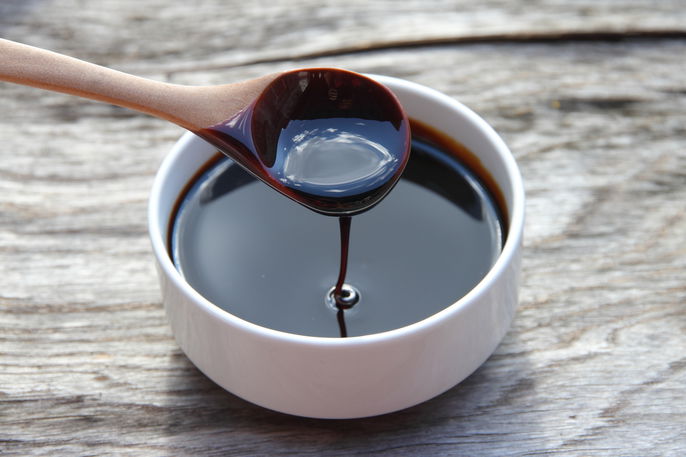
Molasses is a natural sweetener that provides specific health benefits like increased energy and anemia prevention. This syrup is a rich source of carbohydrates and contains beneficial plant compounds known as polyphenols and iron.
Often found in health food stores and supermarkets, molasses is a versatile ingredient for both baking and cooking. You can even make it at home to naturally sweeten your coffee, juices, or homemade desserts.
While it offers nutritional value, molasses is still a form of sugar and should be consumed in moderation. Excessive intake can lead to unwanted weight gain and may negatively impact your blood sugar levels.
Health benefits
Incorporating molasses into your diet can offer several functional health advantages:
1. Boosts energy levels
Because it is packed with fast-absorbing carbohydrates, molasses provides a quick source of fuel for both the body and the mind. This makes it an effective option for high-performance athletes to use before or after long-duration training sessions and competitions.
2. Helps prevent anemia
Molasses can be a helpful tool in preventing iron-deficiency anemia due to its iron content. Iron is a critical mineral used to produce hemoglobin, the protein in red blood cells responsible for carrying oxygen from your lungs to the rest of your body.
3, Provides antioxidant support
This sweetener contains significant amounts of chlorogenic acid and caffeic acid. These specific polyphenols act as antioxidants, which help the body combat oxidative stress and protect your cells from damage.
How to make
Making your own cane molasses at home requires only three simple ingredients: 1.1 lbs (500 g) of fresh, ripe sugar cane, 2 cups (500 ml) of water, and a few drops of lemon juice.
Follow these steps to prepare it:
-
Cut the sugar cane into small pieces and process them in a food processor to extract the juice.
-
Pour the sugar cane juice into a pot and set it over medium heat until it reaches a boil.
-
Lower the heat and simmer, stirring occasionally, until the liquid becomes thick and turns a deep golden color.
-
Remove from the heat, stir in the lemon juice drops, and mix thoroughly.
-
Allow the syrup to cool completely before transferring it to a glass storage container.
Once prepared, you can use molasses to sweeten drinks and baked goods, or use it as a base for salad dressings, marinades, and meat glazes.
Nutritional information
The following table outlines the nutritional profile for a standard 3.5 oz (100 g) serving and a typical 1-tablespoon serving:
It is essential to remember that since molasses is a sugar, it should not be consumed in excess. Overconsumption may increase the risk of health issues such as obesity, diabetes, and elevated triglyceride or cholesterol levels.
Recommended daily intake
According to general dietary guidelines, added sugars like molasses should make up no more than 10% of your total daily calorie intake. For an individual on a standard 2,000-calorie diet, this means consuming less than 50 g of molasses per day.