


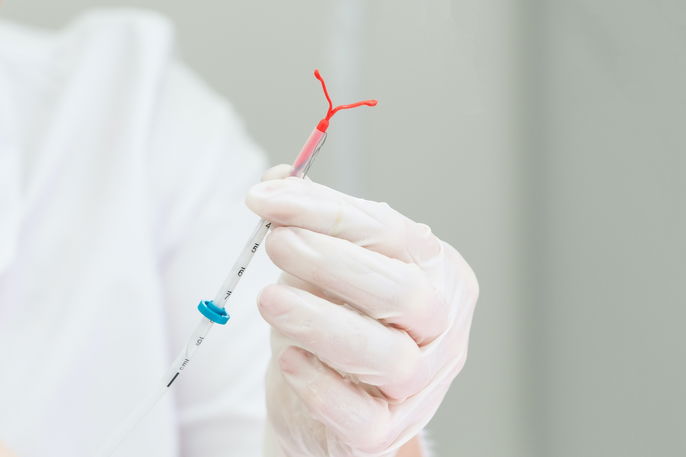
The Mirena IUD is a T-shaped hormonal intrauterine device that contains levonorgestrel, a type of progestin. It slowly and continuously releases small amounts of this hormone into the uterus, thickening the cervical mucus and altering the uterine lining. These changes help block sperm from passing through the cervix or impair their ability to move.
In some women, the Mirena IUD may also prevent ovulation. It can be prescribed by a gynecologist to manage heavy menstrual bleeding or protect the uterine lining from overgrowth during hormone replacement therapy.
The Mirena IUD is inserted into the uterus by a gynecologist either in the office or a hospital setting and can remain effective for up to 5 years. Before the insertion, the doctor may recommend breast exams, blood tests for sexually transmitted infections (STIs), a Pap smear, and a pelvic exam to assess the size and position of the uterus.
What it’s used for
The Mirena IUD may be recommended for:
-
Pregnancy prevention
-
Treatment of heavy menstrual bleeding
-
Protection against excessive growth of the uterine lining during hormone therapy
Additionally, a gynecologist may suggest the Mirena IUD for women with endometriosis. It can help reduce endometrial lesions, lighten menstrual bleeding, and relieve menstrual cramps, which are common in endometriosis.
Although it is an effective contraceptive method, the Mirena IUD does not protect against sexually transmitted infections (STIs). Condom use is still advised during sex to prevent infections like HIV or gonorrhea.
How the Mirena IUD works
The Mirena IUD releases low but steady levels of levonorgestrel directly into the uterus. This hormone thins the endometrial lining, creating an environment that’s not suitable for a fertilized egg to implant.
It also thickens cervical mucus, making it harder for sperm to travel and reach the egg. In some women, the device can also stop ovulation from occurring.
Because of the changes it causes in the uterus and fallopian tubes, the Mirena IUD also interferes with sperm movement, reducing the chances of fertilization. The failure rate is about 0.2% in the first year of use.
How the Mirena IUD is inserted
The Mirena IUD is usually inserted by a gynecologist during a routine office visit. The procedure starts with a pelvic exam to check the position and size of the uterus. A speculum is placed in the vagina, and the cervix is cleaned with an antiseptic. To keep the cervix steady, doctors often use a tool called a tenaculum, though some clinics may use a gentler suction device to help reduce pain and bleeding.
Then, the doctor measures the depth of the uterus using a thin, sterile instrument called a uterine sound. After this, the IUD is placed into an inserter tube and carefully guided through the cervix to the top of the uterus. The device opens into a T-shape and stays in place. The inserter is removed, and the IUD strings are trimmed so they rest just inside the vagina.
Cramping or discomfort is common during the procedure, especially when the cervix is clamped or the uterus is measured. To make the process more comfortable, some doctors may use numbing spray or a local anesthetic around the cervix, especially for people who are more sensitive to pain or feel nervous
How to know if the Mirena IUD is in the right position
Only a gynecologist can confirm if the Mirena IUD is correctly positioned. During a speculum exam, the doctor can see the strings of the IUD in the vagina. Many women cannot feel the strings, which is not necessarily a sign that the device is misplaced.
Some women may be able to feel the strings deep in the vagina during self-examination, which usually means the IUD is correctly in place.
Care after Mirena IUD insertion
Most women experience only mild and short-term side effects after insertion. Lightheadedness may occur, so doctors often recommend lying down for 30 to 40 minutes afterward.
Mild cramping can occur on the first day. However, intense or persistent pain lasting more than 3 weeks should be evaluated by a gynecologist.
It’s advised to avoid sexual intercourse for at least 24 hours after insertion to allow the body to adjust.
A follow-up appointment is usually recommended between 4 and 12 weeks after insertion, and at least once a year to ensure the device is properly positioned.
Possible side effects
The most common side effects of the Mirena IUD include:
-
Headache, abdominal or pelvic pain
-
Increased menstrual flow or absence of periods
-
Spotting or irregular bleeding
-
Vaginal discharge or increased secretions
-
Breast tenderness
-
Mood swings, nervousness, emotional instability
-
Decreased libido
-
Bloating or weight gain
-
Nausea
In some cases, the Mirena IUD can cause strong cramps, which might cause the device to move and reduce its effectiveness. Symptoms of IUD displacement include abdominal pain and worsening cramps. If these occur, a gynecologist should be consulted.
Who should not use the Mirena IUD
The Mirena IUD should not be used in the following cases:
-
Suspected or confirmed pregnancy
-
Active or recurrent pelvic inflammatory disease (PID)
-
Genital tract infections
-
Postpartum endometritis
-
Abortion in the past 3 months
-
Cervicitis
-
Cervical dysplasia
-
Uterine or cervical cancer
-
Unexplained uterine bleeding
-
Fibroids
-
Acute hepatitis
-
Liver cancer
In these cases, a healthcare provider may recommend alternative birth control methods that are safer and more appropriate for the individual's health needs.
Frequently asked questions
Some common questions that many women have about the IUD include:
1. How long can the Mirena IUD be used?
The Mirena IUD can be used for up to 5 years. After that, it must be removed by a gynecologist. A new Mirena or a copper IUD can be inserted during the same visit, regardless of the menstrual cycle phase.
It may also be removed at any time if the user decides to discontinue it.
2. Does the Mirena IUD cause weight gain?
Like other hormonal birth control methods, the Mirena IUD may lead to fluid retention and weight gain due to its progestin component.
2. Does the Mirena IUD affect menstruation?
Yes. Because it contains a hormone that influences the menstrual cycle, it may cause spotting or eliminate periods altogether. These changes vary by individual.
Once the IUD is removed, menstruation typically returns to normal.
3. Does the Mirena IUD affect sexual activity?
It generally should not interfere with sex. If pain or discomfort occurs, or if the device can be felt during intercourse, sex should be paused and a doctor consulted to check if the IUD is still correctly positioned.
In rare cases, the device may cause vaginal dryness. In such cases, water-based lubricants may help and can be used with guidance from a gynecologist.
4. Can I use a tampon?
External pads are preferred, but tampons or menstrual cups can also be used. They should be removed carefully to avoid pulling on the IUD strings.
5. Can the Mirena IUD fall out?
It’s rare, but possible, especially during menstruation. If this happens, it can be hard to notice, so it’s important to monitor your period. A heavier flow could indicate that the IUD is no longer effective.
6. Can I get pregnant after removing the Mirena IUD?
Yes. The Mirena IUD does not affect fertility, so pregnancy is possible once it's removed. If pregnancy is not desired, another contraceptive method should be used.
7. Do I need to use other forms of birth control?
The Mirena IUD is a hormonal method that only prevents pregnancy. It does not protect against STIs. Barrier methods, like condoms, are recommended for STI prevention.
Although rare, pregnancy can occur if the device moves out of place. In such cases, there is a risk of ectopic pregnancy, which should be evaluated by a doctor.
8. What are the signs of Mirena IUD rejection?
The Mirena IUD can occasionally move or perforate the uterine wall during or after insertion. Though uncommon, possible signs of rejection include:
-
Bleeding between periods
-
Heavy menstrual bleeding
-
Severe abdominal pain
-
Unusual vaginal discharge
-
Pain during intercourse
If these symptoms occur, a gynecologist should be consulted to evaluate the IUD’s position or rule out complications.