


Millet is a cereal grain rich in carotenoids and flavonoids, which are phenolic compounds with antioxidant action that fight excess free radicals. This helps reduce the risk of diseases like diabetes, cancer, and atherosclerosis.
Also known as proso millet, pearl millet, or simply millet, this grain contains fiber that helps relieve constipation and prolongs satiety, reducing hunger throughout the day and supporting weight loss.
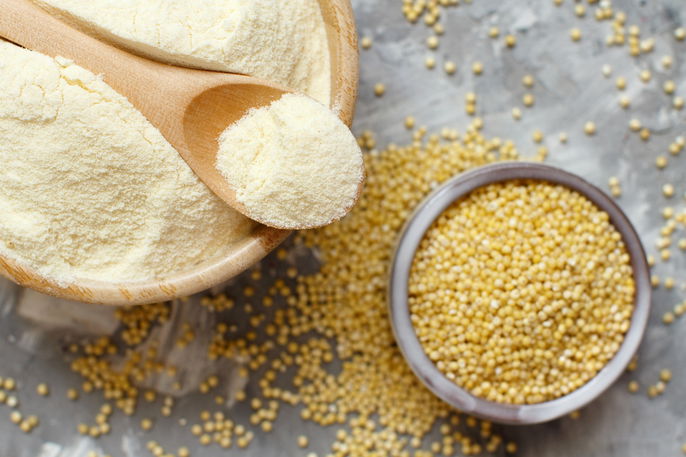
Millet is available in beige, yellow, black, red, or green colors, sold as hulled grains or flour, and is commonly used in salads, breads, cakes, porridges, desserts, and muffins.
Health benefits
The main benefits of millet include:
1. Relieves constipation
Millet helps relieve constipation because it contains soluble fiber, a type of fiber that absorbs water in the intestines, hydrating stool and making bowel movements easier.
In addition, the prebiotic fibers in millet feed the beneficial bacteria in the gut, helping balance gut flora and regulate bowel movements.
Also recommended: Prebiotics: Health Benefits & List of Foods tuasaude.com/en/prebiotics2. Supports weight loss
Because it is high in fiber, millet helps prolong satiety, decreasing appetite throughout the day and supporting weight loss.
However, for best results, millet should be part of a balanced diet combined with regular physical activity.
3. Lowers the risk of cardiovascular disease
The fiber in millet helps reduce the absorption of dietary fats, which balances levels of LDL (“bad”) cholesterol and triglycerides in the blood, lowering the risk of cardiovascular diseases such as heart attack, atherosclerosis, and stroke.
Additionally, the magnesium, potassium, flavonoids, and carotenoids in millet help maintain healthy arteries and relax blood vessels, improving circulation and helping to prevent high blood pressure.
4. Helps control blood sugar
Millet contains fiber that slows down the absorption of carbohydrates, helping control blood glucose levels.
The flavonoids in millet also have antioxidant properties, protecting pancreatic cells from free radical damage and supporting the function of the hormone insulin.
5. Supports eye health
Millet contains lutein and zeaxanthin, carotenoids that help protect the retina from damage caused by ultraviolet rays from the sun and blue light emitted by computers and cell phones. These compounds help prevent cataracts and macular degeneration.
6. Strengthens bones
Millet is a good source of phosphorus and magnesium, minerals that are essential for bone formation and maintenance. This makes millet a great option for preventing osteoporosis.
Magnesium in millet also plays a role in the regulation of parathyroid hormone and vitamin D, which are critical for healthy bone formation.
7. Reduces the risk of cancer
Millet contains high levels of flavonoids, selenium, and carotenoids. These bioactive compounds have antioxidant and anti-inflammatory properties that fight free radicals and may help reduce the risk of cancers such as colon, breast, and liver cancer.
Nutritional information
The table below shows the nutritional composition of 100 grams of cooked millet and millet flour:
To enjoy all the benefits of millet, it’s important to maintain a varied, balanced diet and exercise regularly.
How to prepare
Millet is usually sold without its husk and should be sprouted, toasted, or cooked before eating.
You can eat millet sprouted, as flour, or cooked in dishes like salads, breads, cakes, porridges, desserts, and muffins.
To prepare millet like rice, first rinse the grains well. Then cook 1 cup of millet in 3 cups of water for about 30 minutes, seasoning as desired. Turn off the heat and let it rest for 10 minutes before serving.
Healthy millet recipes
1. Millet milk
Ingredients:
-
1 cup hulled millet grains
-
6 cups filtered water
-
1 pinch of salt
Directions:
Wash the millet grains thoroughly under running water. Place the millet in a bowl, cover with water, and soak for at least 4 hours.
Drain the water and place the millet in a pan with 4 cups of filtered water and a pinch of salt. Cook over medium heat for 20 minutes or until the grains are very soft.
Drain the cooking water and transfer the grains to a blender. Add 2 cups of filtered water and blend until completely smooth.
Strain the mixture through a clean cotton cloth or fine strainer, squeezing well. Transfer the millet milk (plant-based beverage) to a glass container with a lid and store in the refrigerator for up to 4 days.
2. Millet porridge
Ingredients:
-
½ cup raw hulled millet
-
1 cup milk
-
200 ml coconut milk
-
⅓ cup brown sugar or a culinary sweetener of your choice
-
½ teaspoon turmeric
-
½ teaspoon ground ginger
-
Nutmeg to taste
-
Ground cinnamon to taste
-
1 pinch of salt
Directions:
Toast the millet grains in a skillet over low heat for 5 minutes, stirring to avoid burning. Transfer the millet to a blender, add the milk, sugar (or sweetener), turmeric, ginger, nutmeg, and salt, and blend for 3 minutes until smooth.
Pour the mixture into a saucepan, add the coconut milk, and cook over medium heat, stirring for 5 minutes or until it starts to boil. Reduce the heat and stir for 2 more minutes until the porridge thickens. Serve immediately, sprinkled with ground cinnamon.
3. Millet patties
Ingredients:
-
1 cup raw hulled millet
-
1 chopped onion
-
½ cup grated carrot
-
½ cup grated celery
-
1 teaspoon salt
-
2–3 cups water
-
½ teaspoon olive oil
Directions:
In a saucepan, sauté the onion, carrot, celery, and salt in olive oil until the onion is translucent. Add the millet and gradually add ½ cup of water at a time, stirring well.
Repeat until the millet is fully cooked and the mixture has a creamy consistency. Transfer the mixture to a dish and let it cool and firm up.
Shape the patties by hand or using a mold. Place the patties on a greased baking sheet and bake at 400 °F (200 °C) until golden and crispy. Serve immediately.
4. Millet salad with carrot and peas
Ingredients:
-
1 cup raw hulled millet grains
-
4 cups water
-
½ carrot, cut into thin strips
-
¼ leek, sliced thin
-
2 tablespoons fresh peas
-
A handful of rosemary and oregano
-
Salt, black pepper, and nutmeg to taste
-
Curry powder to taste
Directions:
Cook the millet al dente and set aside. In another pot, bring the water to a boil and remove from heat.
Blanch the carrot, leek, and peas quickly in the hot water, then drain well. Mix all the ingredients in a bowl and serve as a side dish to meat, chicken, fish, eggs, or tofu.