


The macrobiotic diet is a lifestyle and eating approach created by Japanese philosopher George Ohsawa. It is based on balanced, healthy eating and aims to promote harmony between body and mind.
As a plant-based diet that emphasizes natural and whole foods, the macrobiotic diet may help lower the risk of obesity, diabetes, cancer, and high blood pressure.
However, there is no scientific evidence to confirm these potential health benefits. For this reason, it is important to consult a nutritionist before starting the diet to assess nutritional needs and create a personalized eating plan.
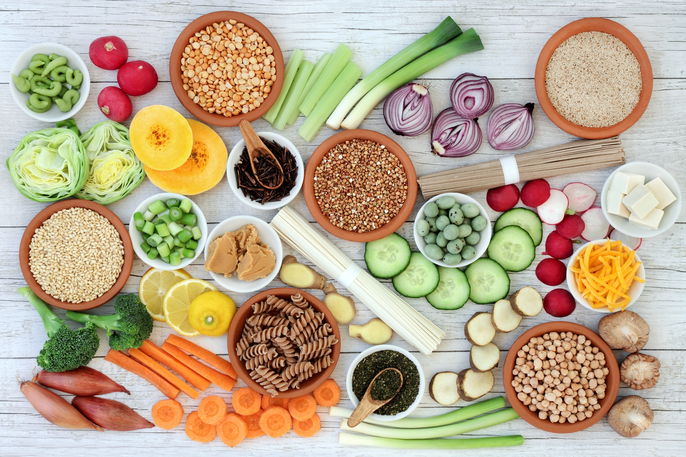
How to follow the macrobiotic diet
The macrobiotic diet encourages choosing organic and locally grown foods whenever possible.
Cooking with microwaves or electric methods is discouraged. Food should be prepared and stored using wood, glass, stainless steel, or ceramic utensils.
Food to eat
The foods allowed in the macrobiotic diet should ideally be organic and include:
-
Whole grains such as barley, oats, brown rice, buckwheat, and corn
-
Legumes such as green and brown lentils, chickpeas, and peas
-
Fruits such as apple, banana, pear, grape, watermelon, guava, avocado, and coconut
-
Soups made with vegetables, seaweed, beans, chickpeas, lentils, and miso
-
Tubers such as sweet potato, yam, cassava, and potato
-
Vegetables such as pumpkin, broccoli, Brussels sprouts, lettuce, carrot, cabbage, kale, and turnip
-
Seaweed such as agar-agar, arame, nori, and wakame
-
Soy-based products such as soy sauce, tempeh, miso, and tofu
-
Vegetable oils such as olive oil, soybean oil, flaxseed oil, and avocado oil
-
Spices and seasonings such as pepper, cinnamon, basil, parsley, and nutmeg
-
Beverages such as spring water, roasted barley tea, and roasted rice tea
It is also recommended to eat only when hungry, drink water only when thirsty, and chew food thoroughly until it becomes liquid in the mouth, as this is believed to support digestion.
Foods for moderate consumption
Foods to consume in moderation include:
-
Nuts such as Brazil nuts, cashews, walnuts, hazelnuts, macadamia nuts, and pistachios
-
Seeds such as pumpkin, chia, flax, and sesame seeds
-
Fish, preferably white fish such as sea bass, dogfish, tilapia, and trout
-
Pickled vegetables
-
Natural sweeteners such as brown rice syrup, concentrated fruit juice, barley malt, maple syrup, and honey
Dairy products like milk, cheese, and yogurt, as well as other organic animal proteins such as eggs, chicken, and beef, should only be eaten occasionally in the macrobiotic diet.
Sample macrobiotic diet meal plan
Below is a 3-day sample meal plan for the macrobiotic diet:
This meal plan is just an example of the macrobiotic diet. Food types and portions can vary based on personal preferences and nutritional needs. Consulting a nutritionist is recommended for a full evaluation and a tailored eating plan.
Foods to avoid
The following foods should be avoided in the macrobiotic diet:
-
Ultra-processed foods such as fast food, instant noodles, ice cream, and sodas
-
Foods with artificial colorings, flavorings, or preservatives
-
Products with refined sugar such as packaged cookies, cakes, and candy
-
Artificial sweeteners such as sucralose, aspartame, and acesulfame potassium
-
Caffeinated drinks such as coffee, black tea, mate tea, and green tea
-
Alcoholic beverages such as beer, wine, and sparkling wine
The macrobiotic diet also discourages genetically modified foods and the use of vitamin or mineral supplements.
Precautions with the macrobiotic diet
This diet is not recommended for pregnant women, children, people with serious illnesses such as cancer or AIDS, or those recovering from surgery, as the body requires more calories and nutrients in these situations.
Because it limits the intake of meat, fruit, and dairy, the macrobiotic diet may increase the risk of deficiencies in protein, vitamin B12, vitamin D, iron, calcium, and zinc. For this reason, consulting a nutritionist before starting this diet is strongly advised.