


Leishmaniasis is an infectious disease caused by the Leishmania parasite, which can affect the skin (cutaneous leishmaniasis) or internal organs (visceral leishmaniasis).
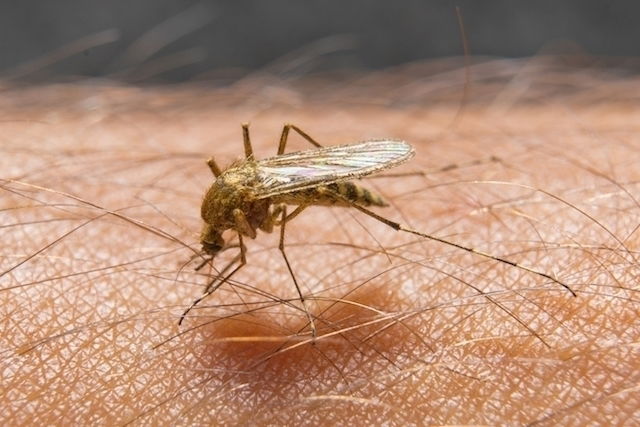
Although leishmaniasis is more common in dogs, it can also spread to humans through the bite of small insects called sandflies. This happens when a sandfly bites an infected dog and then bites a person.
Some forms of leishmaniasis may resolve on their own within a few months. However, it is always recommended to see a doctor, as antiparasitic medication can speed up recovery and help prevent complications such as bleeding, severe infections, and scarring.
Main symptoms
The symptoms of leishmaniasis vary depending on the type of infection.
1. Cutaneous leishmaniasis
In many cases, cutaneous leishmaniasis causes no noticeable symptoms and may go away without the person realizing they were infected.
When symptoms do occur, the main sign is a small lump at the bite site that gradually develops into a large, round sore over several weeks or months. Pain in the affected area and swelling of nearby lymph nodes may also appear.
2. Visceral leishmaniasis
The main symptoms of visceral leishmaniasis include:
-
Fever higher than 100.4°F (38°C) that lasts for several weeks and may go away temporarily before returning;
-
Abdominal swelling, usually appearing about two weeks after the fever begins;
-
Painful, swollen lymph nodes;
-
Weight loss;
-
Extreme fatigue;
-
Dark spots on the skin;
-
Diarrhea.
In advanced stages, severe anemia may develop, leading to heart issues and bleeding from the nose, eyes, or stool. Without treatment, visceral leishmaniasis can weaken the immune system, increasing the risk of serious infections such as pneumonia, measles, or tuberculosis, which can be fatal.
Confirming a diagnosis
Leishmaniasis is usually diagnosed by a healthcare provider based on the person’s symptoms and a physical exam. Blood and imaging tests may also be ordered to rule out other diseases with similar signs.
In some cases, a spleen or bone marrow biopsy may be needed to confirm the diagnosis and start appropriate treatment.
Transmission and spread
Leishmaniasis is transmitted to humans only through the bite of an infected sandfly carrying the Leishmania parasite. Sandflies of the Phlebotomus and Lutzomyia genera acquire the parasite by biting infected animals (mainly dogs and rodents) and then transmit it to humans through their bite.
Treatment options
Treatment for leishmaniasis depends on the type of infection. In cases of cutaneous leishmaniasis, specific treatment may not be required since skin lesions sometimes heal on their own. However, using an antiparasitic drug such as amphotericin B, prescribed by a doctor, can help speed up recovery.
For visceral leishmaniasis, treatment is almost always necessary and usually involves amphotericin B or pentavalent antimonial medications, which are more effective against the infection but may cause more side effects.
Prevention measures
To help prevent leishmaniasis, it is important to follow these precautions:
-
Use mosquito nets or insect-repellent curtains on windows and doors;
-
Apply insect repellent to exposed skin or use insecticide sprays regularly;
-
Use insecticidal collars on pets and ensure they are vaccinated;
-
Avoid swimming in rivers or lakes near wooded or forested areas.
Because sandflies breed in organic matter, it is essential to avoid the accumulation of garbage and organic waste inside or near the home.
These preventive measures not only reduce the risk of leishmaniasis but also help protect against other diseases transmitted by insect bites, such as dengue, Zika, and chikungunya.