


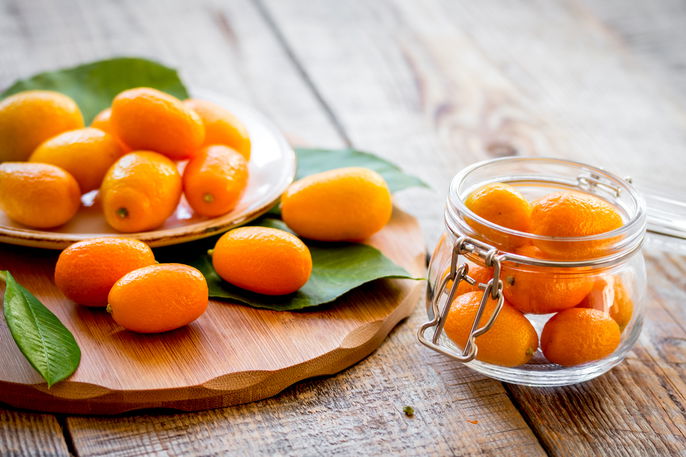
Kumquat, also called kinkan orange, is a fruit with several potential health benefits, including supporting weight loss, reducing the risk of heart disease, preventing constipation, and helping keep the skin and eyes healthy.
These benefits are linked to the nutrients and bioactive compounds found in kumquat, including fiber, vitamin C, and carotenoids. These compounds have antioxidant effects and may also help promote fullness and regular bowel movements.
Kumquat is a small citrus fruit with a sweet peel and tart flesh. It can be eaten whole or used in recipes for jam, desserts, and juice.
Health benefits
The main benefits of kumquat are:
1. Helping maintain or promote weight loss
Kumquat may help with weight maintenance or weight loss because it is a low-calorie fruit, which can help balance total calorie intake.
It is also rich in fiber, which helps slow digestion, increase fullness, and reduce hunger between meals.
2. Reducing the risk of heart disease
Because it is a high fiber fruit, kumquat helps reduce the absorption of fats and cholesterol in the intestines, which may help lower the risk of heart disease.
In addition, the flavonoids and carotenoids in kumquat help reduce inflammation and prevent the buildup of fatty plaques in blood vessels.
3. Preventing constipation
Kumquat may help prevent constipation because it contains insoluble fiber, a type of fiber that increases stool bulk and stimulates normal bowel movements, making it easier to pass stool.
4. Maintaining healthy skin
Because it contains the carotenoids beta-cryptoxanthin and alpha-carotene, which are converted into vitamin A in the body, kumquat may help maintain skin health by fighting free radicals.
In addition, the vitamin C in this fruit helps support collagen production, a protein that helps keep the skin firm and elastic and may help prevent wrinkles and sagging.
5. Reducing the risk of diabetes
The fiber found in kumquat helps slow the absorption of carbohydrates from food, which may help control blood glucose levels.
For this reason, eating this fruit as part of a balanced and varied diet, along with regular physical activity, may help lower the risk of type 2 diabetes.
6. Preventing anemia
Kumquat is a citrus fruit that may help prevent anemia because it is rich in vitamin C. According to the NIH Office of Dietary Supplements, vitamin C improves the absorption of nonheme iron, the form of iron found in plant-based foods.
7. Maintaining eye health
The carotenoids lutein and zeaxanthin found in kumquat help support eye health. According to the National Eye Institute, lutein and zeaxanthin are found in the retina and lens, where they may act as natural antioxidants and help absorb damaging blue and ultraviolet light emitted by devices such as computers, tablets, and cell phones.
Nutrition facts
The following table shows the nutritional information for 100 g of kumquat, which is equal to about 5 pieces:
It is important to remember that, to get the benefits of this fruit, kumquat should be part of a healthy diet and a regular exercise routine.
How to eat
Kumquat can be eaten whole, including the peel, and enjoyed fresh on its own or used in recipes such as desserts, jams, sauces, cakes, and juices.
The minimum recommended daily intake of fruit, including kumquat, is 2 to 3 servings, which equals about 160 to 240 g per day.
Easy recipes
Some tasty kumquat recipes include:
1. Kumquat preserves
Ingredients:
-
1 kg (2.2 lb) of kumquat
-
500 g (2 ½ cups) of sugar or sweetener to taste
-
250 mL (1 cup) of water
-
5 cloves
Directions:
Wash the kumquats well and cut them, removing a small piece from each end. Place a little water in a pot and bring it to a boil. Then add the kumquats and boil for 3 minutes.
Repeat the boiling process one more time to reduce the fruit’s bitter taste. Drain the fruit and add the 250 ml of water, sugar, and cloves, then let it boil until the kumquats are very soft and the syrup becomes thick.
Let it cool slightly, place it in a tightly sealed container, and store it in the refrigerator.
2. Kumquat jam
Ingredients:
-
600 g (1.3 lb) of kumquat
-
350 g (1 ¾ cups) of sugar
-
200 mL (¾ cup) of filtered water
Directions:
Wash the kumquats well, cut them into 4 equal parts, and remove the seeds. Place the kumquats in a pot with enough water to cover them and cook for 1 minute.
Drain the kumquats and repeat the boiling process one more time. Drain the water and add the sugar and filtered water to the pot.
Let it simmer over low heat for about 30 to 40 minutes. Turn off the heat, let it cool, and store the jam in a covered container in the refrigerator.
