


Jackfruit benefits include fighting constipation, aiding weight loss, managing blood pressure, and preventing premature aging. These effects are linked to its high fiber content and bioactive compounds.
This tropical fruit is also rich in vitamin C, carotenoids, flavonoids and saponins, which act as antioxidants that support heart health, boost immunity, and protect against free radical damage. Its nutrients can help prevent diabetes, anemia, and even maintain healthy eyes.
Beyond its health effects, jackfruit has a sweet flavor and can be eaten fresh, dried, or used in recipes like juices, jams, and even meat substitutes. Its seeds can be boiled, roasted, or ground into flour, adding versatility to its nutritional value.
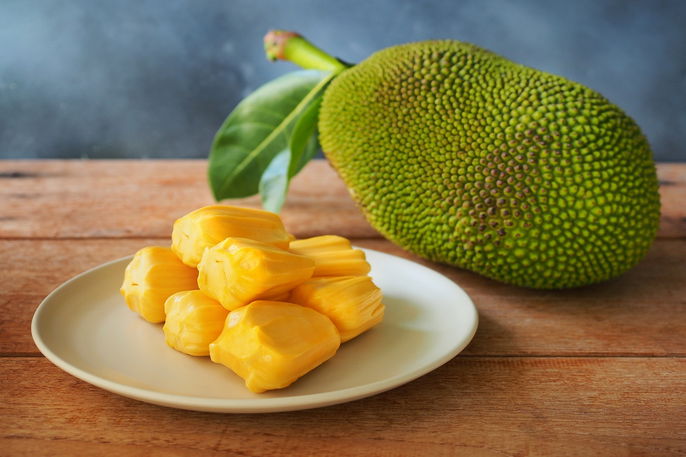
Health benefits
Some jackfruit benefits include:
1. Fighting constipation
Jackfruit is high in fiber, which promotes the formation of stool and promotes natural bowel movements, helping to combat constipation. Check-out other fruits with naturally laxative effect that you can include in your diet.
2. Managing blood pressure
Jackfruit contains potassium, a mineral that helps eliminate excess sodium from the body and contributes to normal blood pressure levels. See other foods that are high in potassium that you can add to your diet.
In addition, jackfruit also contains vitamin C, carotenoids and flavonoids, which are antioxidants that improve artery health and boost blood circulation, which can prevent high blood pressure.
3. Promoting weight loss
Because it is a great source of fiber, jackfruit prolongs the time it takes for food to be digested in the stomach. This can help to manage appetite throughout the day and promote weight loss.
It is important to highlight that, to lose weight, jackfruit should be incorporated into a healthy diet, associated with regular physical activity.
4. Preventing premature aging
Jackfruit contains vitamin C, flavonoids and carotenoids, which are antioxidant compounds that protect the skin from damage caused by excess free radicals. This can prevent the appearance of wrinkles, sagging and premature aging.
5. Preventing diabetes
Because it is rich in fiber, jackfruit slows down the absorption of carbohydrates from food. This can help to keep blood glucose levels normal, and thus prevent insulin resistance and diabetes.
Also recommended: 15 Fruits For Diabetics (& Fruit to Avoid) tuasaude.com/en/best-fruits-for-diabeticsFurthermore, the antioxidants present in jackfruit also optimize pancreas cells, which can improve insulin production and help to control glucose levels in people who already have diabetes.
6. Maintaining eye health
Jackfruit contains beta-carotene, lutein and zeaxanthin, carotenoids that protect the eyes from free radicals and UV rays from the sun. They can help to prevent conditions like cataracts and macular degeneration, a disease that reduces vision.
7. Preventing anemia
Because it is a great source of vitamin C, a nutrient that promotes absorption of iron from food, jackfruit can be consumed to fight anemia.
Also recommended: Top 20 Vitamin C Foods (How to Consume & Supplementation) tuasaude.com/en/vitamin-c-foodsIron is essential for the production of hemoglobin, a component of red blood cells that is normally low in cases of anemia. Check-out a list of iron-rich foods that you can consume with jackfruit.
8. Boosting immunity
Jackfruit contains antioxidants, such as vitamin C, carotenoids and saponins, which strengthen and protect immune system cells from free radicals. These can help to protect the body from viral and bacterial infections.
9. Managing cholesterol
The fibers present in jackfruit reduce the absorption of fats in the gut, which can help to manage cholesterol levels and reduce the risk for cardiovascular diseases, like a heart attack and atherosclerosis.
Jackfruit also contains flavonoids and carotenoids, which are bioactive antioxidant compounds that prevent the oxidation of fat cells, which help to manage cholesterol levels.
10. Boosting mood
As it contains good amounts of carbohydrates, jackfruit provides energy for the brain, improving mental disposition.
Furthermore, this fruit can also be a great pre-workout option for those who practice activities, increasing energy and strength during training.
Nutritional information
The following table contains nutritional information for 150 g, which is equivalent to 1 cup of jackfruit tea:
It is important to highlight that to obtain the benefits of jackfruit, you must maintain a balanced and healthy diet and practice physical activity regularly.
Can jackfruit cause weight gain?
When consumed in a healthy diet and part of an active lifestyle, jackfruit does not cause weight gain or interfere with weight maintenance or weight loss.
However, when consumed in large quantities, and is part of an unbalanced diet and a sedentary lifestyle, jackfruit can lead to weight gain.
Selection, storage and preparation tips
1. Choosing ripe vs unripe fruit
Ripe jackfruit can be identified by a hollow sound when tapped, softening spines, a yellowing leaf at the stem (peduncle), and a distinctive sweet aroma.
2. Storage guidelines
Cut jackfruit can be stored in the refrigerator for 3 to 4 days. Whole jackfruit can be kept uncut for up to 2 weeks. For long-term preservation, jackfruit can be frozen for several months. Traditional methods such as sun-drying are also used for preservation.
3. Cleaning sticky sap
Jackfruit contains latex, which can make preparation messy. To reduce stickiness, knives and hands can be greased with coconut oil or olive oil before cutting. Sap residues can then be removed with vinegar, rubbing alcohol, or citric acid-based solutions.
How to eat
Ripe jackfruit can be consumed fresh or dehydrated, or used in recipes for juices, ice creams, jellies and sweets.
Jackfruit seeds can also be consumed boiled, roasted or ground into flour, which can be used to make cake, bread, pie and cookies.
Although there is no specific recommended amount of daily jackfruit consumption, the minimum daily fruit recommendation is 2 to 3 servings, which corresponds to between 160 and 240 g per day.
Jackfruit contains latex, a type of “glue” that sticks very easily and, therefore, it is advisable to grease utensils and/or hands with soybean oil or olive oil, for example, before handling this fruit.
Healthy jackfruit recipes
Some healthy recipes with this fruit are jackfruit meat and jam:
1. Cooked jackfruit
Ingredients
-
2 cloves of chopped garlic
-
½ chopped onion
-
1 tomato chopped into cubes
-
1 and ½ cups of jackfruit
-
1 tablespoon of chopped green chilli
-
Salt and black pepper to taste
-
Water
-
2 tablespoons of olive oil
Directions
Remove the peel and cut the entire jackfruit pulp, with the seeds, into medium cubes. In a pressure cooker, sauté the garlic and onion in olive oil. Add the jackfruit pulp and seasonings and cover the jackfruit with water.
Bring to a boil and cook for 10 minutes under pressure. If you prefer, you can remove the seeds. Then wait for it to cool and use this pulp to replace meat in various meat dishes.
2. Jackfruit jam
Ingredients
-
40 seedless ripe jackfruit berries
-
1 cup of sweetener for the oven and stove
-
2 cups (tea) of water
-
6 cloves
Directions
In a pressure cooker, place the jackfruit pulp, water, cloves and sweetener, and cook over medium heat for 10 minutes under pressure.
Remove the pot from heat and wait for it to cool. Transfer the jam to a container with a lid and store in the refrigerator.
Side effects and precautions
Although jackfruit offers many health benefits, some precautions are necessary:
1. Allergy warnings
Several case reports have documented cross-reactivity between jackfruit and latex, leading to allergic reactions in latex-sensitive individuals. In some cases, severe anaphylaxis has been observed after jackfruit consumption.
2. Gastrointestinal discomfort
Due to its high fiber content, jackfruit may cause bloating, gas or diarrhea, especially when consumed in excess. Jackfruit seeds, in particular, contain compounds that can interfere with digestion if overconsumed.