


Alkaline water is a type of water with a pH between 8 and 10 that may provide some health benefits, such as relieving heartburn symptoms, slowing down bone loss, and improving physical performance.
This is because alkaline water may help reduce stomach acidity, support better bone density, and promote muscle recovery after workouts.
Alkaline water can be purchased in supermarkets or prepared at home. However, more comprehensive scientific studies in humans are still needed to determine whether alkaline water truly offers these health benefits.
Possible benefits
It is believed that alkaline water may have several potential benefits for your health:
-
Relieving heartburn symptoms by neutralizing stomach enzyme pepsin and reducing acidity
-
Helping to slow bone loss and improve bone density after menopause
-
Enhancing physical performance by preventing cramps and muscle injuries, and reducing fatigue after exercise
-
Supporting the immune system by improving the transport of white blood cells, which are responsible for defending the body
Even so, more complete studies in humans are needed to confirm whether alkaline water really provides these effects.
It’s also important to remember that drinking alkaline beverages or eating alkaline foods does not change the pH of your blood. The stomach is highly acidic, which neutralizes any alkaline content you consume.
Additionally, the kidneys constantly work to maintain the blood’s normal pH range between 7.35 and 7.45. Any significant variation from this range can cause serious health problems.
Difference between alkaline water and regular water
Alkaline water has a pH between 8 and 10, classifying it as a basic or alkaline beverage.
Regular water usually has a pH between 7 and 8.5, making it neutral or slightly alkaline.
How to make alkaline water
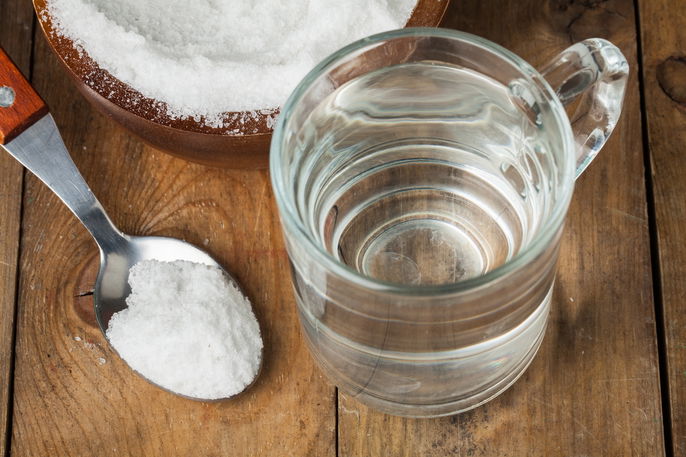
You can make alkaline water at home using boiled or filtered water and baking soda.
To prepare it, mix 1 teaspoon of baking soda into 2 liters of water and stir well. Then pour it into a bottle and store it in a cool or refrigerated place.
Ionized water can also be made using a water ionizer, a device that increases the pH of regular water.
Like regular water, alkaline water can be consumed throughout the day. However, because studies on its effectiveness are still limited, there is no recommended daily amount.
Possible side effects
In general, alkaline water is considered safe and does not cause side effects.
However, drinking too much alkaline water with a pH above 9 may lead to poor digestion, bloating, and excessive gas.
Who should avoid it
People who take proton pump inhibitors, such as omeprazole, esomeprazole, or pantoprazole, should avoid drinking alkaline water. These medications change the pH of the stomach and may alter potassium levels in the blood, which is especially concerning for people with kidney problems.
Alkaline water made with baking soda is not recommended for pregnant or breastfeeding women, children under 2 years old, or people with symptoms of metabolic or respiratory alkalosis, or those with hypocalcemia.
Additionally, people taking antibiotics such as doxycycline, levofloxacin, minocycline, or tetracycline, or nonsteroidal anti-inflammatory drugs (NSAIDs), should only drink alkaline water made with baking soda under medical advice.