


Intermittent fasting has become a popular approach to eating, with many people using this approach to support weight management, improve blood sugar control, and boost overall health. As interest in intermittent fasting continues to grow, understanding how to build an effective and balanced meal plan during eating windows is essential.
An intermittent fasting meal plan provides structure and helps ensure the body gets the nutrients it needs. Whether following a 16:8 schedule, alternate-day fasting, or the 5:2 method, a well-thought-out plan can make fasting easier to follow and more sustainable. Including a mix of whole grains, lean proteins, healthy fats, and plenty of fruits and vegetables can help support energy levels and reduce cravings.
While general meal plans can be helpful, individual needs may vary based on age, activity level, and health conditions. For a more personalized approach, consulting with a registered dietitian (RD) is recommended. An RD can help create a customized intermittent fasting meal plan that fits specific health goals and lifestyle preferences.
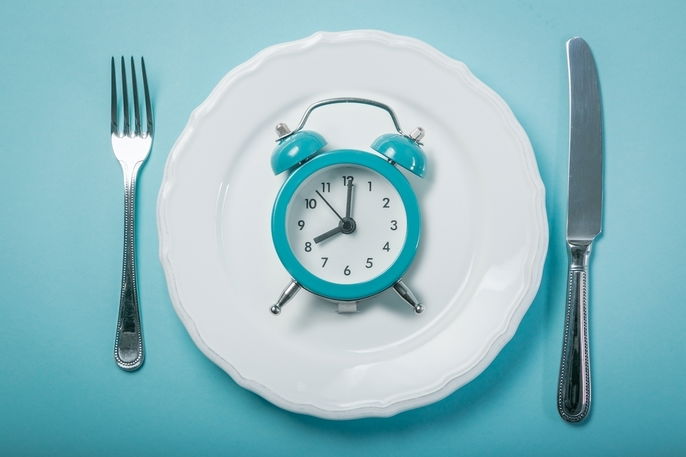
Types of intermittent fasting meal plans
Intermittent fasting meal plans can vary based on how often and how long someone fasts. Each plan has its own benefits and challenges. Choosing the right type often depends on lifestyle, health goals, and individual medical needs.
1. Time-Restricted Feeding (e.g., 16:8 Method)
- Structure: Meals are eaten within a set daily window, usually 6–8 hours, followed by a fasting period of 16–18 hours.
- Pros: This method is simple, easy to follow, and may improve metabolism and support natural body rhythms. It can also help with weight management.
- Cons: It may be difficult for people with changing schedules or social meal patterns. Some research suggests it may offer only modest weight loss over time.
- Best for: Individuals looking for a consistent, daily routine and minimal disruption to eating habits.
- Contraindications: Not suitable for those with a history of eating disorders, pregnant or breastfeeding women, underweight individuals, or people with chronic health conditions unless supervised by a healthcare provider.
2. Alternate-Day Fasting (ADF)
- Structure: Alternates between days of no or very low calorie intake and days of eating normally.
- Pros: May lead to significant weight loss and improved heart and blood sugar health.
- Cons: Can be hard to stick with due to hunger and mood changes on fasting days. Long-term adherence may be challenging.
- Best for: Individuals with strong motivation and the ability to manage hunger on fasting days.
- Contraindications: Should be avoided by people with diabetes on insulin, those prone to low blood sugar, or individuals with certain health issues without medical guidance.
3. Modified Fasting Regimens (e.g., 5:2 Diet)
- Structure: Normal eating five days a week, with two non-consecutive days limited to 500–600 calories.
- Pros: Offers flexibility and may fit better with social or work schedules. Some studies show it supports weight loss and metabolic health.
- Cons: Fasting days may cause hunger or fatigue. There’s also a risk of overeating on regular days.
- Best for: People who prefer not to fast daily and want more freedom in their routine.
- Contraindications: Not recommended for individuals with eating disorders, pregnant or breastfeeding women, underweight individuals, or those with chronic illnesses unless advised by a healthcare provider.
4. Periodic Fasting (e.g., Eat-Stop-Eat)
- Structure: Involves fasting for 24 hours once or twice per week.
- Pros: Can reduce overall calorie intake and offer metabolic benefits.
- Cons: Full-day fasts may cause headaches, low energy, and irritability. This method can be difficult to maintain.
- Best for: Those who can tolerate longer fasting periods and want less frequent fasting.
- Contraindications: Should not be used by individuals with eating disorders, underweight people, pregnant or breastfeeding women, or those with certain medical conditions without professional oversight
Each fasting method has its own structure and impact on health. Selecting the right intermittent fasting meal plan often depends on personal health status, lifestyle, and long-term goals. Medical advice from a registered dietitian (RD) or physician is recommended before starting any fasting regimen.
What to eat after fasting
After fasting, it is important to prioritize foods that rich in fiber, such as fresh fruit and vegetables, whole grains, and lean proteins, such as white fish and chicken. These help to manage hunger pangs and maintain muscle mass. Some of the foods that should be prioritized when breaking a fast include:
- Fresh vegetables, such as cauliflower, zucchini, chayote, lettuce, arugula and tomatoes
- Whole, fresh fruit, such as oranges, bananas, grapes, watermelons and mangoes
- Whole grains, such as brown rice, whole wheat pasta, oats and whole wheat bread
- Legumes, such as beans, lentils, chickpeas, peas and lupini beans
- Lean animal protein, such as beef muscle, chicken, white meat fish and eggs
- Plant-based protein, such as tofu and miso
- Plant-based fats, such as nuts, coconut oil, extra virgin olive oil and Brazil nuts.
In addition to these foods, you can also consume spices such as cinnamon, turmeric and pepper. It's also recommended to drink at least 2.5 liters of fluids a day, including water and natural teas such as green tea and hibiscus tea, which help increase metabolism and promote weight loss.
Can I eat or drink when fasting?
During intermittent fasting you are only permitted to drink water, coffee and herbal tea without sugar or sweetener. Consuming other foods or drinks may lead to an increase in insulin levels in the blood, which hinders fasting.
What foods to avoid after fasting
After intermittent fasting, you should avoid processed foods such as refined sugar, ready-made sauces, soft drinks and fast food.
In addition, it is important to avoid high-fat foods such as fried foods, fatty cheeses such as cheddar or gorgonzola, and ice cream. These foods are more difficult to digest and also promote weight gain and the onset of diseases such as cancer, diabetes, high blood pressure and obesity. These foods should therefore be avoided after intermittent fasting.
18:6 fasting meal plan
This is a sample 3-day meal plan that outlines what to eat after an 18-hour fast:
This meal plan is just an example of how to carry out an 18-hour intermittent fasting. For best results during fasting, in addition to regular physical activity, it is essential to consult a registered dietitian to devise a diet plan that suits your individual needs.