


How to treat low blood sugar depends on the blood glucose level. If it falls below 70 mg/dL, the first step is usually to consume 15 grams of fast-acting carbohydrates, such as sugar, honey, or orange juice, and recheck blood sugar after 15 minutes.
If blood sugar is still low, it is recommended to consume another 15 grams of fast-acting carbohydrates and recheck blood sugar after another 15 minutes. Once blood sugar returns to a normal level, a full meal or snack can be eaten as appropriate.
Fast-acting carbohydrates quickly raise blood glucose and help relieve symptoms such as sweating, dizziness, and anxiety. Blood sugar below 54 mg/dL is considered clinically significant hypoglycemia, and glucagon may be needed if the person cannot safely eat or drink.
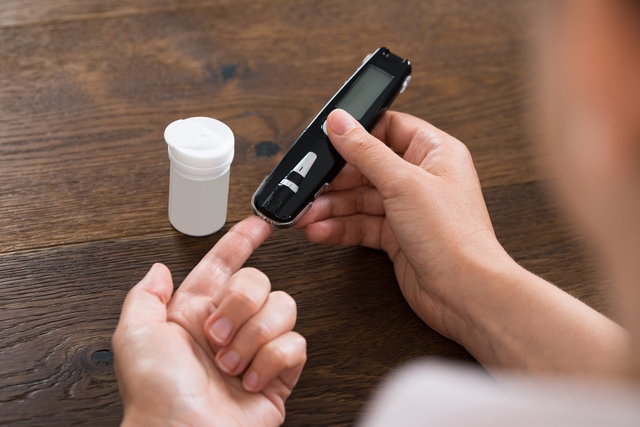
How to raise blood sugar
Some foods and drinks that can help raise blood sugar include:
- 1 tablespoon of sugar dissolved in water
- 1 tablespoon of honey
- ½ cup (4 fl oz) of orange juice
- Enough candy to provide about 15 grams of fast-acting carbohydrates, based on the Nutrition Facts label
- ½ cup (4 fl oz) of regular soda
According to the American Diabetes Association, blood sugar should be checked again after 15 minutes, and another 15 grams of fast-acting carbohydrates should be consumed if it is still below 70 mg/dL.
Young children may need less than 15 grams of carbohydrates to treat low blood sugar. A pediatrician or diabetes care team can provide guidance on the appropriate amount based on the child's individual needs.
What to do for severe hypoglycemia
When hypoglycemia is very severe, the person may not be fully conscious and may faint. In some cases, they may stop breathing or experience cardiac arrest.
According to the American Diabetes Association, glucagon should be used for severe hypoglycemia when the person cannot safely swallow carbohydrates, is confused or unable to treat themselves, becomes unconscious, or does not respond to the 15-15 rule.
After glucagon is given, blood sugar should be checked again. If it remains low or the person does not recover appropriately, seek emergency medical care.
If the person loses consciousness and stops breathing, call 911 and begin CPR while waiting for emergency medical personnel to arrive.
How to tell if blood sugar is low
Hypoglycemia, or low blood sugar, occurs when blood glucose is below 70 mg/dL. It can happen after taking too much insulin, going too long without eating, or doing very intense physical activity, for example.
The main symptoms of hypoglycemia include:
- Uncontrollable shaking
- Sudden anxiety without an apparent reason
- Cold sweats
- Confusion
- Dizziness
- Difficulty seeing clearly
- Difficulty concentrating
In more severe cases, a person may faint or have a seizure. If the person is unconscious but still breathing, place them on their side and call 911 for emergency medical assistance.
