


- Facial fat typically decreases with overall weight loss, since there isn’t a reliable way to “spot reduce” fat only in the face.
- Hydration, higher-fiber meals, and lower sodium intake can help limit facial puffiness from fluid retention.
- Consistent aerobic and strength exercise, better sleep, and less alcohol support a calorie deficit and healthier hormone balance that can aid weight loss.
How to lose weight in your face and make it look slimmer usually comes down to overall weight loss. Healthier daily habits, regular exercise, and a balanced diet can help you burn calories and reduce body fat, which may also reduce facial fat.
There isn’t a proven way to lose fat only in your face or in one specific area. Fat cells are stored throughout the body, so changes typically happen overall rather than in just one spot.
To support healthy weight loss in both your body and face, it can help to eat more fiber, drink enough fluids, avoid alcohol, and do aerobic exercise like walking or swimming. Following a personalized plan from a registered dietitian can promote steady, healthy results.
Main tips
Some ways to lose weight in your face include:
1. Doing facial exercises
Facial exercises may help your face look more toned and youthful by strengthening the muscles in your face. This muscle toning can contribute to a slimmer-looking appearance.
However, there aren’t scientific studies proving that facial exercises reduce facial fat. The main benefit appears to be strengthening facial muscles, which may help create a leaner-looking, more defined face.
2. Drinking plenty of fluids throughout the day
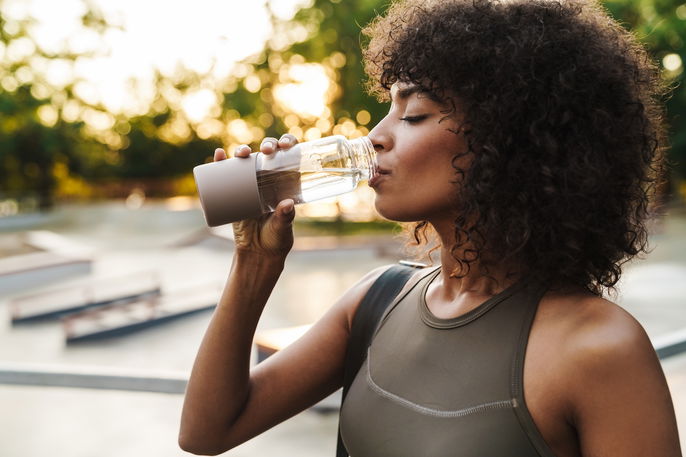
Drinking at least 2 liters (about 8 cups) of water, juice, or diuretic teas during the day may help reduce puffiness in your face and body. This can support the elimination of excess fluid and waste products.
Drinking more fluids can also help with fullness and may reduce calorie intake, especially if you drink them before meals. Over time, this can support weight loss in the face and body.
One option is a glass of warm water with lemon juice and ginger before breakfast. Ginger may increase urine output during the day, which can help reduce fluid buildup and relieve swelling.
3. Reducing salt intake
According to the American Heart Association, excess sodium can make the body retain water, which may lead to puffiness and bloating, so reducing salt intake may help prevent facial puffiness and give the face a slimmer look.
One alternative to regular salt is an herb salt blend (salt mixed with aromatic herbs). Besides adding flavor, it may help reduce sodium intake and support less fluid retention.
4. Being physically active
Regular aerobic exercise promotes fat loss and is one of the most effective strategies for reducing overall body weight, including facial fat.
According to the CDC, physical activity increases the number of calories the body burns for energy. When paired with reduced calorie intake, this helps create a calorie deficit that leads to weight loss. Generally, the more vigorous the activity, the more calories are burned, supporting weight loss over time.
Regular exercise can also help reduce swelling by improving blood flow and lymph circulation, which may prevent fluid buildup. Activities such as walking, running, swimming, and strength training can be done consistently (ideally under the guidance of a qualified fitness professional) to support weight loss and maintain results.
5. Avoiding alcohol
Avoiding alcohol can support weight loss in your face and body overall. Alcoholic drinks tend to be high in calories, which can contribute to weight gain.
Alcohol can also have a diuretic effect that may contribute to dehydration, and the body may respond by retaining fluids. Some studies suggest alcohol may affect hormones like leptin, which can reduce feelings of fullness and increase food and calorie intake.
6. Getting 8 hours of sleep per night
Sleeping at least 8 hours per night can also support weight loss in your face and body. Poor sleep can lower leptin levels, which may increase daytime appetite and make it harder to lose weight
Not sleeping enough can also increase stress and fatigue, which may raise cortisol levels. Higher cortisol levels can make weight loss more difficult.
For these reasons, getting around eight hours of sleep each night can help maintain healthy hormone balance and support weight loss.
7. Avoiding simple carbohydrates
Frequently eating large amounts of simple carbohydrates, such as white rice, crackers, or cake, can cause your body to store more fat in both the face and body, contributing to overall weight gain.
To support weight loss, including in your face, avoid eating simple carbs too often or in large amounts. Instead, choose complex carbohydrates that are more nutrient-dense, such as brown rice, seeds, oats, nuts, and vegetables.
8. Increasing fiber intake
Eating a high-fiber diet can help you feel fuller for longer and may support overall and facial weight loss. Foods such as brown rice, vegetables, and fruits promote fullness while keeping calorie intake lower.
It’s generally recommended to eat about five servings of vegetables and fresh fruit each day. Fiber-rich options include persimmon, pear, avocado, lettuce, chayote, spinach, beans, lentils, and whole grains.