


High fiber fruits, such as blackberries, avocado, and peaches, provide important nutrients that support digestive health and overall well-being. These fruits are commonly included in diets to help relieve constipation, manage hemorrhoids, lower cholesterol and triglycerides, and support colon health.
The fiber found in these fruits forms a gel-like substance in the stomach that slows digestion and promotes a feeling of fullness. This effect supports weight management and helps regulate blood sugar levels, which is especially relevant for diabetes prevention and control.
Including high fiber fruits in a balanced diet can help meet daily fiber needs and improve metabolic health. Because fiber levels depend on the fruit type, its ripeness, and whether the peel is eaten, making informed decisions helps maximize health benefits.
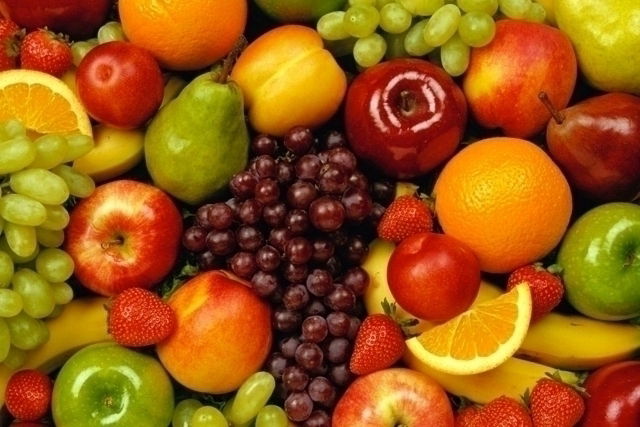
List of fruits
The following table shows the amount of fiber and calories in 100 grams of each fruit listed:
In addition to containing fiber, these fruits are also rich in vitamins and minerals. They have natural antioxidants and anti-inflammatory properties that optimize metabolism and help to detox harmful substances from the body.
To get the most benefits from high-fiber fruits, it is important to include them as part of a well-balanced diet combined with an active lifestyle.
What part of the fruit contains the most fiber?
Fiber is primarily found in a fruit’s pulp and peel. Eat whole fruits whenever possible to maximize fiber intake. Juicing removes most fiber while concentrating sugars, making it less suitable for weight loss or diabetes management.
It is also important to know that the quantity of fiber in the fruit may vary depending on level of ripeness. In other words, riper fruit contains more sugar and less fiber.
Also recommended: High Fiber Foods: Food List, Benefits and Types of Fiber tuasaude.com/en/high-fiber-foodsHow much fiber should I eat?
The recommended daily intake of fiber varies depending on age and sex:
- Children aged 1 to 3 years: 19 g;
- Children aged 4 to 8 years: 25 g;
- Boys aged 9 to 13: 31 g;
- Boys aged 14 to 18: 38 g;
- Girls aged 9 to 18: 26 g;
- Men aged 19 to 50: 38 g;
- Women aged 19 to 50: 25 g;
- Men over 51: 30 g;
- Women over 51: 21 g.
Babies under 1 year have no specific fiber recommendations, as their diet mainly consists of milk plus pureed fruits, vegetables, and meats.
Pregnant women should target 28 grams of fiber daily, while breastfeeding women need 29 grams.