


HDL cholesterol is a type of fat that circulates in the blood and helps remove excess cholesterol from the body. It plays an essential role in maintaining heart health and is often referred to as "good cholesterol."
High levels of HDL cholesterol are linked to a lower risk of cardiovascular diseases, such as heart attack and stroke. This is because HDL works by transporting cholesterol from the arteries to the liver, where it is broken down and eliminated.
Maintaining healthy HDL cholesterol levels can be achieved through lifestyle changes, like eating healthy fats and exercising regularly. These strategies not only help raise HDL but also support overall cholesterol balance in the body.
Normal range
For both men and women, HDL cholesterol levels should be above 40 mg/dL, while LDL levels (also known as bad cholesterol) should be under 130 mg/dL. Read more about the normal ranges of cholesterol and what your levels should be.
Normal HDL Cholesterol Levels
HDL cholesterol levels vary depending on age and gender. The table below outlines recommended levels and risk thresholds for different groups:
Extremely high HDL cholesterol levels (above 80 mg/dL) may also be associated with increased risk of mortality in some cases, particularly in men.
Importance of HDL
HDL cholesterol removes fat molecules from the bloodstream, where they are taken to the liver for metabolization and elimination. It has clotting, anti-inflammatory and antioxidant properties, which are most effective when HDL levels are within a normal range.
HDL is also important for the production of hormones, bile, and vitamin D. These are all compounds that are necessary for adequate functioning of the body.
HDL cholesterol acts as a protector for the cardiovascular system. It prevents the development of diseases like heart attack, atherosclerosis, stroke, and thrombosis. To ensure these effects, HDL and LDL levels should both be within normal range.
Low HDL levels
To know if your "good cholesterol" is too low, you should complete a blood test that looks at your lipid levels, which usually include total cholesterol, HDL, LDL and triglycerides.
Also recommended: Low Triglycerides: Normal Levels, Is It Harmful, Symptoms & Causes tuasaude.com/en/low-triglyceridesLow HDL levels will usually not cause any signs or symptoms. However, low HDL and high LDL can be suspected in sedentary patients with excess abdominal fat and who have a high fat diet with processed foods.
Causes of low levels
Low HDL levels can be caused by:
-
Sedentary lifestyle
-
Excess weight
-
Excessive alcohol intake
-
Smoking
-
Diet with high amounts of fatty foods, sugar, salt and processed food
-
Metabolic syndrome
-
Diabetes
-
Medications that contain testosterone or other steroids
Low HDL levels can also be noted in patients with autoimmune disorders (like rheumatoid arthritis) and inflammatory eye disease.
How to increase
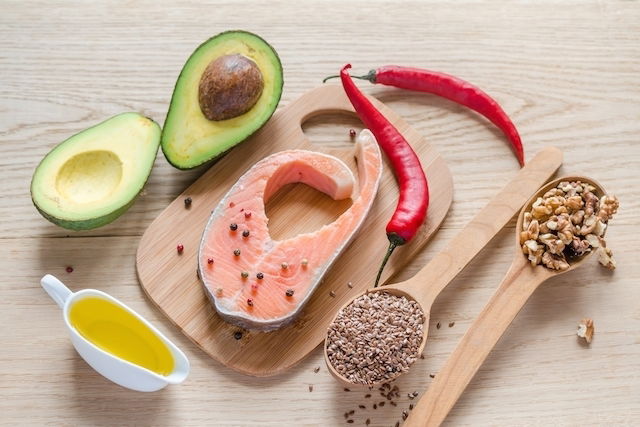
To increase HDL cholesterol levels, you should consult a registered dietitian for a personalized diet plan that considers your current cholesterol levels and nutritional necessities. HDL can usually be increased by eating healthy fats like:
-
Fatty fish, like salmon, sardines and tuna which are rich in omega-3 fats
-
Seeds, like chia, flaxseed and sunflower, which are natural sources of omega-3 and fiber
-
Nuts, like Brazil nuts, peanuts, walnuts and almonds
-
Avocado and olive oil, which are rich in unsaturated fats that can positively impact cholesterol levels
Another important consideration is to be physically active. You should exercise at least 3 times per week to regulate weight, cholesterol production and fat burning.
How to Increase HDL Cholesterol Naturally
Some additional evidence-based strategies that can help improve HDL cholesterol levels include:
-
Regular aerobic exercise (minimum 120 minutes per week), which can increase HDL by about 5% in two months
-
Daily consumption of olive oil, especially extra virgin olive oil rich in polyphenols (2–3 tablespoons/day)
-
Quitting smoking, which may improve HDL levels by 15–20%, even with weight gain
-
Moderate weight loss, which may raise HDL particularly in overweight individuals
-
Reducing intake of sugar and refined carbohydrates, which helps prevent low HDL and high triglycerides
Why higher levels are important
HDL cholesterol is responsible for absorbing fat in the blood and depositing it in the liver for elimination through the stool. It prevents the accumulation of fat in the body and within the blood vessels. Low HDL levels can cause negative effects, as it is related to unhealthy levels of LDL and triglycerides. This can increase the risk for conditions like atherosclerosis or a heart attack.
In addition, low HDL is related to an increased risk for developing autoimmune diseases and infections. It can also cause tissue damage to blood vessels and interfere with clotting processes.
HDL vs LDL: What’s the Difference?
The following table summarizes the characteristics of HDL and LDL cholesterol, and how they differ: