


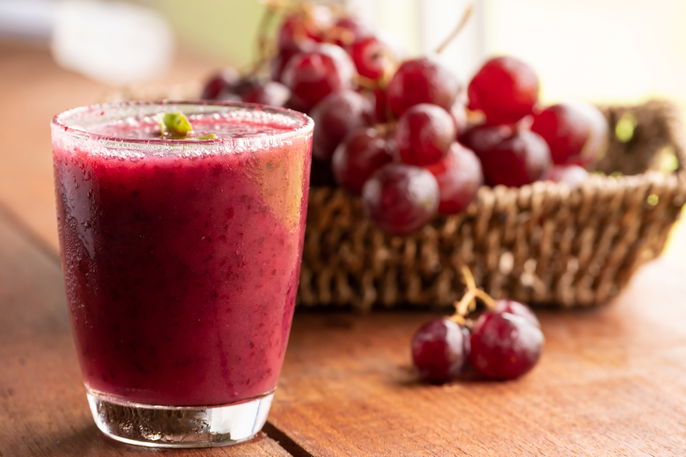
Grape juice is a beverage that provides energy, contributes to disease prevention, maintains healthy skin, helps control blood pressure, and may be used as a complementary therapy for depression.
Grapes contain fiber, polyphenols, and nutrients like potassium, phosphorous, and vitamin C. Many nutritional properties of grapes are also conserved in their juice.
To get the most out of these benefits, it is ideal to consume fresh grape juice without straining it first and to include grape juice as one part of a healthy, well-balanced diet in combination with regular physical exercise.
Health benefits
The main benefits of grape juice are:
1. Increasing energy levels
Natural sugars are one of the main components of grape juice, whether whole or processed (concentrated).
These sugars help boost energy and readiness levels for exercise and day-to-day activities. Read about other foods that give you energy.
2. Lowering the risk of disease
Like grapes, grape juice is also a good source of polyphenols, which are antioxidants that help lower the risk of diseases like cancer, Alzheimer's, and atherosclerosis.
3. Maintaining healthy skin
The antioxidants present in grape juice are fundamental in maintaining healthy skin, helping to reduce damage caused by free radicals and protecting against premature aging.
4. Helping control blood pressure
Grape juice contains large quantities of potassium, which promotes the elimination of sodium from the body to help control blood pressure.
5. Improving intestinal function
Whole grape juice retains the fiber content of the whole fruit, helping with stool formation and improving intestinal function to prevent and relieve constipation.
6. Promoting healthy bones
Grape juice is beneficial for bone health because it contains minerals like calcium and phosphorous, which strengthen the bones and are fundamental for bone formation.
7. Helping combat depression
The polyphenols found in grape juice appear to help combat depression by contributing to the regulation of nervous system activity.
This potential benefit requires further scientific study.
Also recommended: Natural Antidepressants: 7 Home Recipes (to Complement Treatment) tuasaude.com/en/natural-antidepressantsIs grape juice good for you?
Grape juice can be good for you when it is 100% juice, unsweetened, and limited to about ½ to 1 cup (120 to 240 mL) per day.
It contains polyphenols with antioxidant action, which may increase the blood's antioxidant capacity and help lower LDL ("bad") cholesterol and triglycerides.
However, it is high in natural sugar and has almost no fiber, so drinking large amounts may contribute to weight gain. It also does not lower blood pressure as well as whole grapes do.
For this reason, whole grapes remain the best option, and people with diabetes should consult a doctor before drinking grape juice.
Nutrition facts
The following table provides nutritional information for a 240 mL (8 oz) serving of grape juice without added sugar:
To obtain all of the benefits of grape juice it is important to include it as one part of a healthy, well-balanced diet in combination with regular physical exercise.
How to make grape juice
To make grape juice, add 500 g (1 lb) of grapes (washed and with the skin on) to a blender with ¼ cup of water and blend until well-combined. Transfer to a glass and serve immediately, preferably without straining or adding sugar.
Whole vs concentrated grape juice
Whole (or unfiltered) grape juice is more natural and is made using the whole fruit, including the skin and the seeds, which helps conserve the fiber content and other nutritional properties.
Concentrated (or processed) grape juice is higher in calories and has less fiber and other nutrients than whole grape juice. It may also contain preservatives to help prolong shelf life.
Healthy recipes
Examples of healthy recipes for grape juice include:
1. Sparkling grape juice recipe
Ingredients:
- 1 cup (240 mL) of 100% purple grape juice, unsweetened and chilled
- 1 cup (240 mL) of sparkling water, chilled
- ½ cup of seedless purple grapes, halved (optional)
- Ice and fresh mint leaves, to taste
Directions:
Pour the grape juice into a pitcher or glass and slowly add the sparkling water, stirring gently so it keeps its bubbles. Add ice, the grapes, and mint leaves, and serve right away. This recipe makes 2 servings.
To make it even lighter, use 1 part juice to 2 parts sparkling water. A squeeze of lemon or lime juice can also be added for a more citrus flavor.
2. Noni with grape juice
Ingredients:
- 2 ripe noni fruits;
- 1 L (32 oz) natural grape juice.
Directions:
Chop up the noni fruits and place them in a blender. Add ½ L of grape juice. Blend until well-combined, strain into another container, and pour it back into the blender.
Add the rest of the grape juice and blend it all together. Drink without adding sugar or other sweeteners.
3. Pomegranate grape juice
Ingredients:
- 2 cups grapes;
- 250 mL (8 oz) filtered water;
- 1 large pomegranate.
Directions:
Wash the grapes well and remove the seeds (arils) from the pomegranate, adding them all to a blender. Add the water and blend until well-combined, adding more water as necessary. Strain before drinking if preferred.
Frequently asked questions
-
No, there is no scientific evidence that grape juice prevents or treats a stomach bug. Grape compounds have only shown antiviral activity in lab studies. In addition, sugary drinks, including some fruit juices, can make diarrhea worse. For this reason, water, clear broths, or oral rehydration solutions are the best options.
-
Grape juice may loosen stools when consumed in large amounts, since unabsorbed sugar draws water into the intestine. However, it is less likely to have this effect than apple juice, because it contains much less of the type of fructose linked to poor absorption.
Read more: Natural Laxatives: 15 Fruits That Relieve Constipation Fast
-
Yes, pasteurized 100% grape juice is safe during pregnancy in moderation. Unpasteurized juice should be avoided, as it may contain harmful bacteria. Since grape juice is high in sugar, whole grapes are a better choice. Whole fruit is associated with a lower risk of gestational diabetes, while fruit juice is not.
-
Yes, grape juice is acidic, with a pH usually between 3 and 4, and frequent intake may contribute to dental erosion. To protect your teeth, drink it with meals and rinse your mouth with water afterward.
