


Glycerin, also referred to as glycerol, is a natural compound recognized for its ability to moisturize, lubricate, and retain hydration. Because of these qualities, it is frequently recommended for hydrating both the skin and hair.
Beyond its cosmetic applications, glycerin has a laxative effect that is helpful in managing constipation. It is commonly used in the form of suppositories or enemas to aid in bowel movements.
This versatile ingredient can be derived from vegetable sources, such as coconut and palm oils, or extracted from animal fats. It is utilized in both liquid and solid forms to manufacture various medications and everyday cosmetics like lotions, shampoos, and soaps.
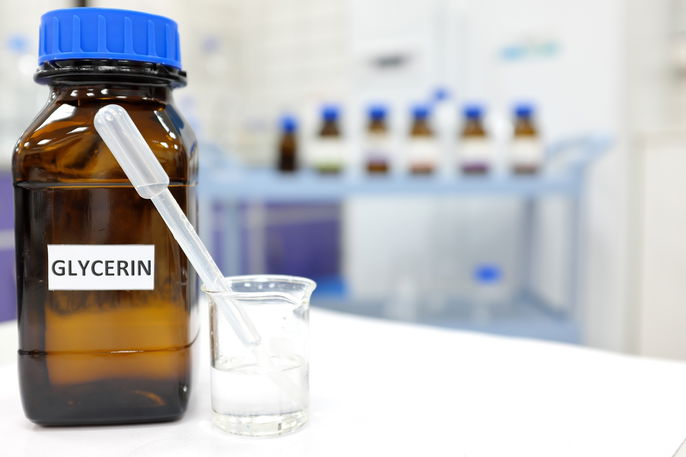
What glycerin is used for
The primary benefits of using glycerin include:
1. Moisturize skin and hair
Because glycerin possesses moisturizing and softening properties, it improves the hydration and elasticity of skin and hair. It is a common ingredient in the manufacturing of moisturizing creams, shampoos, soaps, and lipsticks.
Additionally, glycerin can be used in homemade skincare and haircare recipes to boost hydration levels.
2. Relieve constipation
Glycerin helps relieve constipation by drawing water into the intestines, which softens the stool and facilitates easier bowel movements.
To treat constipation, glycerin is available as a suppository or a liquid enema. These solutions are indicated for relieving constipation, preparing for rectal exams, or performing an intestinal cleanse.
3. Sweeten foods
Due to its ability to retain moisture and add sweetness, glycerin is used by the food industry to enhance the texture and taste of various products. It is commonly found in ice creams, cereal bars, soft drinks, and pre-made sauces.
What is double-distilled glycerin?
Bidistilled glycerin refers to a specific purification process used to extract glycerin from vegetable or animal sources. However, commercially available bidistilled glycerin is often obtained from animal fat.
Consequently, this specific type of glycerin may not be suitable for individuals following a vegan diet or lifestyle.
How to use
Glycerin is derived from vegetable oils, such as coconut or palm oil, or from animal fats, and may be indicated for the following uses:
-
Moisturize hair: In a container, mix 2 tablespoons of moisturizing hair cream with 1 tablespoon of liquid glycerin. After shampooing and towel-drying hair, apply the mixture to the lengths and ends, avoiding the roots. Leave it on for 20 minutes, then rinse thoroughly with lukewarm or cool water.
-
Moisturize skin: Dilute 1 teaspoon of liquid glycerin with 1 teaspoon of honey and 2 teaspoons of cold water. Wash and dry your face, apply the mixture, and let it sit for 10 minutes. Rinse well with cool or lukewarm water. Note: Individuals allergic to honey, pollen, or propolis should exclude honey from this recipe.
-
Relieve constipation: Moisten the glycerin suppository and insert it into the rectum using your fingers, then wait for the urge to have a bowel movement. To use a glycerin enema, gently insert the applicator tip into the rectum, squeeze the bottle, and remain lying down until you feel a strong urge to evacuate.
In addition to home uses, glycerin is utilized industrially to produce medications and cosmetic products like creams, shampoos, and soaps.
Also recommended: DIY Hair Masks: 10 Homemade Recipes with Natural Ingredients tuasaude.com/en/diy-hair-maskPossible side effects
In some instances, using glycerin suppositories or enemas may cause abdominal cramping, diarrhea, gas, or increased thirst. Other potential side effects include rectal discomfort, irritation, or minor bleeding.
Who should not use
When applied to the skin or hair, glycerin may cause irritation, redness, or itching in some individuals. Therefore, it should always be used in a diluted form.
Glycerin suppositories and enemas should be avoided by people suffering from appendicitis, ulcerative colitis, undiagnosed rectal bleeding, hemorrhoids, anal fistulas, or bowel obstructions, as well as those recovering from rectal surgery.
Glycerin is contraindicated for anyone with a known allergy to the product. Pregnant or breastfeeding women, as well as individuals with heart failure, kidney disease, liver disease, or dehydration, should use glycerin only under the guidance of a physician.