


- Gas pain relief medications, such as simethicone, may help reduce bloating, pressure, and abdominal discomfort.
- Natural remedies, such as fennel, ginger, and peppermint teas, may help relieve gas-related discomfort and support digestion.
- Lifestyle changes, such as avoiding carbonated drinks and gas-producing foods, can help prevent excess gas.
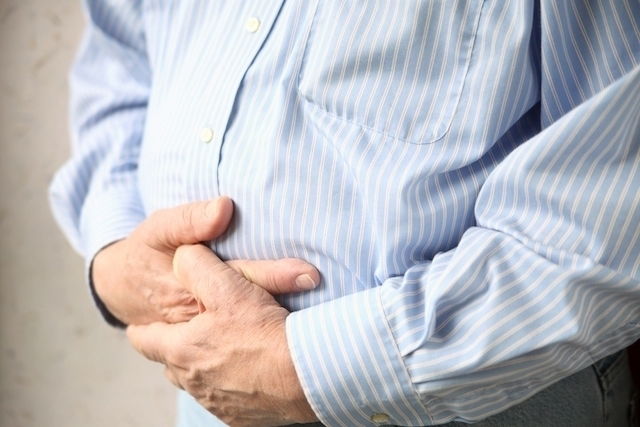
Gas pain relief medications, such as simethicone, activated charcoal, or alpha-galactosidase, can help relieve pain and discomfort caused by excess intestinal gas. These options may help reduce bloating, pressure, and abdominal discomfort.
These medications usually work quickly. There are also natural options that may help relieve gas, such as fennel tea or peppermint tea, which may cause fewer side effects.
Before taking medication for gas pain, it is important to consult a primary care provider or gastroenterologist. Excess gas can be caused by conditions such as irritable bowel syndrome (IBS) or functional dyspepsia.
Common medications
The medications most commonly recommended by healthcare providers for gas include:
1. Simethicone
Simethicone is a medication that helps reduce trapped gas by breaking up gas bubbles. This makes gas easier to pass and helps relieve pain, discomfort, and pressure caused by excess gas in the stomach or intestines.
According to the FDA, OTC gas relief products that contain simethicone are considered safe and effective when used as directed.
How to use: Simethicone is taken by mouth. The usual recommended adult dose is 80 to 125 mg, 3 to 4 times per day, or every 6 to 8 hours, without exceeding 500 mg per day.
This medication should not be used by people who are allergic to any ingredient in the formula or in cases of bowel obstruction or perforation. Simethicone should only be used during pregnancy and breastfeeding if recommended by a healthcare provider.
2. Activated charcoal
Activated charcoal may help reduce intestinal gas because it absorbs gas particles in the stomach and intestines.
It may also have antidiarrheal effects by reducing the activity of toxins and microorganisms in the gastrointestinal tract, which can help relieve diarrhea and excess gas.
How to use: Activated charcoal tablets are taken by mouth. The usual recommended adult dose is 4 to 6 tablets per day, divided into two doses and taken between meals, or as directed by a healthcare provider.
This medication should not be used by children under 2 years old or by anyone who is allergic to any ingredient in the formula.
Activated charcoal should also not be used in children with acute or persistent diarrhea. During pregnancy or breastfeeding, activated charcoal should only be used if recommended by a healthcare provider.
3. Alpha-galactosidase
Alpha-galactosidase is an enzyme that breaks down sugars found in carbohydrates. This can help with digestion and reduce excess gas caused by intestinal fermentation of foods such as beans, chickpeas, and lentils.
How to use: Alpha-galactosidase is taken by mouth, and the dose can vary depending on symptoms. This supplement may be used by adults and children over 12, but a healthcare provider should confirm the right dose and duration of use.
4. Lactase tablets
Lactase tablets may be recommended for excess intestinal gas caused by lactose intolerance. They help the body digest lactose, preventing symptoms such as bloating, abdominal pain, and gas.
How to use: Lactase tablets should be taken by mouth before eating foods that contain lactose. The dose should be recommended by a healthcare provider or registered dietitian after lactase deficiency has been diagnosed.
This medication should not be used by people with galactosemia or by anyone who is allergic to any ingredient in the tablet.
5. Rifaximin
Rifaximin is an oral antibiotic that reduces abdominal bloating and gas by targeting certain gas-producing bacteria in the gut. It is most commonly prescribed to manage intestinal bacteria in people with hepatic encephalopathy.
How to use: The usual recommended adult dose of rifaximin is 1 tablet by mouth twice per day, or as directed by a healthcare provider.
This medication should only be used with a prescription. A healthcare provider can recommend the right dose and length of treatment depending on the condition being treated. It should not be used in cases of bowel obstruction or allergy to any ingredient in the formula.
6. Probiotics
Probiotics are live microorganisms that may help reduce intestinal inflammation and excess gas.
Probiotics can be found in fermented foods such as plain yogurt, kefir, and sauerkraut. They are also available as capsules, liquids, or packets sold in pharmacies and health food stores.
Ideally, probiotic foods and products should contain strains such as Bifidobacterium lactis or Bifidobacterium longum. These strains may help reduce intestinal gas and inflammation by supporting fiber digestion, helping prevent gas, and balancing pro-inflammatory substances such as cytokines.
How to use: To help maintain healthy gut flora, it is recommended to consume at least 1 probiotic-rich food per day.
For probiotic supplements, it is important to consult a healthcare provider or registered dietitian and read the product label to confirm the recommended dose.
Natural remedies
Some natural remedies for intestinal gas include teas or infusions made with:
-
Anise, nutmeg, cardamom, or cinnamon: may help promote gas elimination.
-
Fennel: may help prevent muscle contractions by relaxing the intestinal muscles.
-
Ginger: helps with digestion and improves cramping because it reduces muscle spasms.
-
Peppermint: decreases natural intestinal movements, helping prevent gas from being expelled. It is not recommended for people with constipation.
Teas made from these herbs can be good natural remedies for gas-related problems that cause pain, bloating, and abdominal discomfort.
Also recommended: Tea for Bloating: 10 Natural Recipes to Relieve Cramps & Gas tuasaude.com/en/tea-for-bloatingHow to prevent gas
Lifestyle measures that can help prevent gas production include:
-
Reducing fat intake
-
Choosing low-lactose foods
-
Avoiding carbonated beverages, such as soda or beer
-
Avoiding chewing gum
-
Walking for about 15 to 30 minutes after meals
-
Avoiding smoking
In addition, it is recommended to reduce intake of foods that commonly cause gas, such as beans, broccoli, and onions. According to the National Institute of Diabetes and Digestive and Kidney Diseases, changing eating and drinking habits may help reduce gas symptoms, especially when guided by a doctor or registered dietitian.
People with conditions that cause excess gas, such as irritable bowel syndrome (IBS), may need personalized dietary guidance. Read more about an IBS diet to help relieve symptoms.
