


Garlic tea may help relieve cough, flu, and cold symptoms. It is also commonly used to support the immune system and may help lower LDL cholesterol and support healthy blood pressure, as garlic contains antioxidant and bioactive compounds.
This tea may also support weight loss because garlic has a mild thermogenic effect that can increase energy expenditure. However, it should be considered a supportive measure and not a standalone treatment for overweight or obesity.
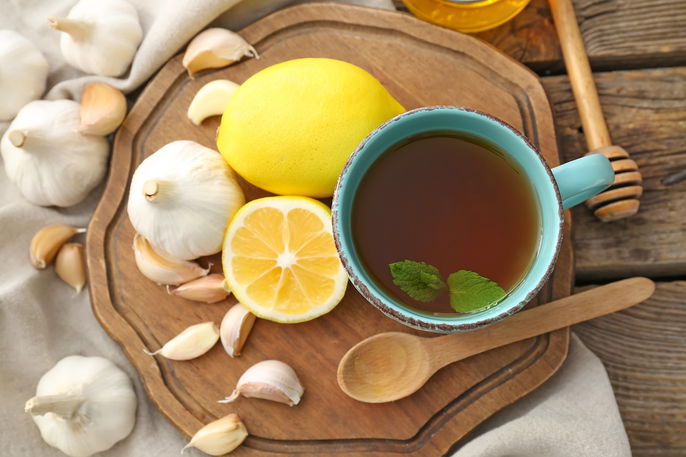
Garlic tea should be prepared with crushed garlic so the enzyme alliinase can convert alliin into allicin, one of garlic’s main active components. You can also add lemon, honey, or ginger to improve the flavor and enhance the recipe.
Main benefits
Garlic tea has many potential benefits, and may help:
1. Fight flu and colds
Garlic tea is rich in allicin, a sulfur compound with immune-supporting properties that may help the body fight flu and colds and shorten how long symptoms last.
Also recommended: 8 Types of Garlic Tea for the Flu (Plus Recipes) tuasaude.com/en/garlic-tea-for-the-flu2. Strengthen the immune system
In addition to allicin, garlic tea also contains vitamin C. Together, these compounds have antioxidant effects that may help support the immune system and help the body fight viruses, bacteria, and fungi.
3. Relieve cough
Garlic tea has expectorant properties that may help relieve cough by making mucus thinner and easier to clear.
It also has anti-inflammatory properties that may help reduce inflammation in the lungs.
4. Control high blood pressure
Garlic tea may help control mild to moderate high blood pressure because it has a vasodilating effect. In other words, it may help widen blood vessels and improve blood flow, which can help lower blood pressure.
5. Lower cholesterol
Garlic tea has antioxidant and lipid-lowering effects that may help reduce bad LDL ("bad") cholesterol and triglycerides by limiting oxidation.
According to the CDC, high levels of LDL cholesterol can lead to plaque buildup in the arteries and increase the risk of heart disease and stroke.
6. Prevent cardiovascular disease
Allicin in garlic tea has strong antioxidant effects that may help reduce LDL (“bad”) cholesterol and triglycerides, which can contribute to plaque buildup in the arteries.
Garlic tea may also help lower blood pressure and reduce platelet aggregation, which can help prevent clots from forming inside blood vessels. According to the American Heart Association, uncontrolled high blood pressure can increase the risk of heart attack and stroke.
As a result, this tea may help reduce the risk of cardiovascular diseases such as atherosclerosis, heart attack, and stroke.
7. Support weight loss
The allicin in garlic tea may also help support weight loss because it is a thermogenic food that may help speed up body fat burning.
For this reason, garlic tea may be used as a supportive option in the treatment of overweight and obesity.
8. Support wound healing
Garlic tea may help support the healing of skin wounds because it has anti-inflammatory, antiseptic, and antimicrobial effects.
When applied to the skin, it may help speed up the formation of new tissue and improve blood flow in the area.
9. Prevent premature aging
Garlic tea may also help prevent premature skin aging because the vitamin C and allicin it contains have antioxidant effects that help protect cells from damage caused by free radicals.
10. Control diabetes
Garlic tea may also help support control of type 2 diabetes because it may help lower blood sugar levels when consumed before meals.
For this reason, this tea may be used alongside the conventional treatment recommended by a healthcare provider.
How to make
Garlic tea should be made with fresh garlic that has been crushed or chopped. It can be prepared plain or with honey, lemon, or ginger to enhance its medicinal properties.
1. Simple garlic tea
Simple garlic tea is a natural option that may help strengthen the immune system, support cardiovascular health, and help with wound healing.
Ingredients
-
1 crushed or chopped garlic clove
-
1 cup of water
How to prepare
Boil the water, turn off the heat, and pour it into a cup with the crushed garlic. Let it steep for about 5 minutes, strain, let it cool slightly, and drink 1 cup of tea per day.
To help heal skin wounds, soak a sterile compress in the garlic tea and apply it to the affected area.
2. Garlic tea with lemon
Garlic tea with lemon contains allicin and is also rich in vitamin C. It has antimicrobial, anti-inflammatory, and antioxidant properties that help support the immune system and may help relieve some flu and common cold symptoms, in addition to helping relieve cough.
Ingredients
-
1 garlic clove
-
200 mL of water
-
1 tablespoon of lemon juice
How to prepare
Boil the water. Then add the crushed or chopped garlic clove to the hot water and let it steep for 5 to 10 minutes. Strain, add the lemon juice, and drink.
3. Garlic tea with ginger
Garlic tea with ginger has antioxidant and anti-inflammatory properties due to allicin in garlic and phenolic compounds in ginger, such as gingerol, shogaol, and zingerone.
This tea may be used to help relieve flu, colds, and cough because it helps support the immune system.
It may also help support weight loss.
Ingredients
-
3 garlic cloves, peeled and cut in half
-
1 cm of ginger root or ½ teaspoon of ground ginger
-
3 cups of water
-
Honey to sweeten (optional)
How to prepare
Boil the water with the garlic. Remove from the heat and add the ginger and honey. Strain and serve right away.
Ginger should not be consumed by people who take anticoagulants.
4. Garlic tea with honey
Garlic tea with honey has expectorant, antioxidant, and anti-inflammatory effects and may be used to help relieve cough and speed recovery from flu and colds.
Honey also helps coat the throat and reduce tissue irritation, which may help ease cough.
Ingredients
-
1 crushed or chopped garlic clove
-
1 tablespoon of honey
-
1 cup of water
How to prepare
Boil the water, turn off the heat, and pour it into a cup with the crushed garlic. Let it steep for about 5 minutes. Then strain, let it cool slightly, add the honey, and drink 1 cup of tea per day.
5. Garlic tea with lemon and propolis
Garlic tea with lemon and propolis may also help support the immune system and help fight infections, relieving symptoms of flu and colds while also helping relieve cough.
Ingredients
-
1 crushed or chopped garlic clove
-
20 to 30 drops of propolis
-
Juice of 1 lemon
-
½ cup of water
How to prepare
Boil the water, turn off the heat, and pour it into a cup with the garlic. Let it steep for 5 to 10 minutes. Then strain, let it cool slightly, add the lemon juice and propolis, and drink.
Possible side effects
The most common side effects of garlic tea are bad breath, body odor, intestinal gas, stomach pain, diarrhea, and bloating.
Although it is rare, this tea may also cause severe allergic reactions in people who are allergic to garlic.
Who should avoid
Garlic tea should not be consumed by children under 2 years old or by people with gastritis, ulcers, low blood pressure, or bleeding.
People who are pregnant or breastfeeding should only use garlic tea under medical supervision, because excessive use may increase the risk of miscarriage, interfere with the menstrual cycle, or alter the smell of breast milk.
People who take blood pressure medication or anticoagulants should only use garlic tea if approved by a healthcare provider.
Garlic tea that contains honey or propolis should not be consumed by people who are allergic to honey, propolis, or pollen. In these cases, these ingredients should be removed from the recipe.
