


Gallstones are small, hard particles formed in the gallbladder that can vary in size (from small grains to large stones). Small gallstones do not cause symptoms, while large gallstones can lead to symptoms like severe pain on the right side of the abdomen, constant diarrhea, fever, nausea or vomiting may appear.
Gallstones develop inside of the gallbladder and are typically made-up of cholesterol, bilirubin, and calcium salts. They can be caused by excess cholesterol in the bile and difficulty emptying the gallbladder.
Large gallstones, also called cholelithiasis, require treatment, as they can lead to complications like a blocked bile duct, gallbladder inflammation or pancreatitis. Your family doctor or gastroenterologist will treat your condition based on the symptoms you present with. Treatment for gallstones can include analgesics, antibiotics, or surgical removal.
Also recommended: tuasaude.com/en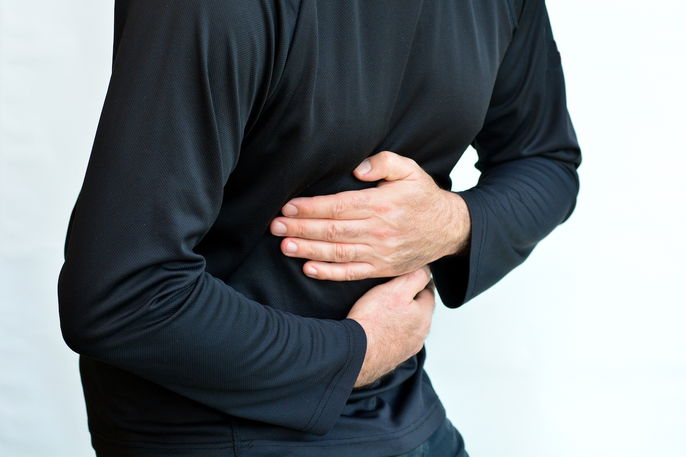
Common symptoms
The main symptoms of gallstones are:
- Sudden pain in the stomach area or below the ribs on the right side;
- Nausea;
- Vomiting;
- Pain on the right side of the back and/or right shoulder;
- Loss of appetite;
- Feeling of fullness in the stomach;
- Diarrhea.
Small gallstones may cause little to no symptoms. People who experience pain will typically notice it after eating fatty or spicy foods.
If you suspect you may have gallstones, you should consult a general practitioner or gastroenterologist.
Suspected gallstones with symptoms such as fever, constant abdominal pain, drowsiness or low blood pressure should be urgently assessed, as these may indicate a more serious case
Online symptoms checker
To determine your risk for gallstones, enter your symptoms below:
Please note that this symptoms checker should only be used as a guidance tool. It does not provide a diagnosis or replace a consultation with your doctor.
Confirming a diagnosis
A gallstones diagnosis is initiated by a gastroenterologist or general practitioner, who will start by assessing symptoms, health history and lab tests.
Tests for gallstones
To confirm the diagnosis of gallstones, the doctor may request tests, such as:
- Complete blood count;
- Chemical screen;
- Prothrombin time (PT) and partial thromboplastin time (PTT);
- Bilirubin and alkaline phosphatase levels;
- Ultrasound, cholescintigraphy or CT scan;
- Endoscopy or magnetic resonance cholangiopancreatography.
Other tests such as a chest X-ray and electrocardiogram may also be indicated to rule out other causes of pain, such as heart attack or pneumonia.
Possible causes
Gallstones typically form due to excess cholesterol in the bile and difficulty emptying the gallbladder.
Populations that are most at risk for developing gallstones include women, people over 40 years of age, pregnant women, those with a history of obesity and high cholesterol, and those with a family history of gallstones.
Treatment options
Treatment of gallstones may include:
1. Medications
Medications such as analgesics and antiemetics may be prescribed to treat symptoms caused by gallstones, like pain and nausea. Depending on the type of gallstone, the doctor may also prescribe medications to dissolve them, such as ursodiol and ursodeoxycholic acid.
Gallstones that lead to an infection may also also require antibiotics and hospitalization.
2. Gallbladder removal
Frequent symptoms and persistent fever and pain may prompt surgical removal of the gallbladder. Gallbladder removalis usually indicated to reduce the risk of complications such as cholangitis (swelling of the bile duct system) or choledocholithiasis (gallstones in the bile ducts).
Also recommended: Diet After Gallbladder Removal: What to Eat & Avoid (w/ Meal Plans) tuasaude.com/en/diet-after-gallbladder-removal3. Lifestyle changes
Exercising regularly helps to promote emptying of the gallbladder and prevent the growth or development of gallstones. Losing weight may also be recommended, however, measures to lose weight quickly, like fasting, are not recommended.
4. Gallbladder diet
Your doctor may advise you to avoid or reduce the intake of fatty foods, sugary foods and excessive protein in your diet. Excessive consumption of foods such as meat, bread, pasta, and alcohol should be avoided in cases of confirmed gallstones. High-fat foods, like coconut or avocado, should also be consumed in moderation.
Also recommended: Gallbladder Diet: Clinical Protocol (What to Eat/Avoid & Meal Plan) tuasaude.com/en/gallbladder-dietNatural treatment
Some natural treatment options, like dandelion tea or milk thistle tea, contain properties that reduce the formation of stones.
Also recommended: Gallstones Self-Care: 6 Natural Remedies (& Other Considerations) tuasaude.com/en/natural-remedies-for-gallstonesThese natural remedies can be used to complement your medical treatment, but you should speak to your doctor before starting them.
Preventions measures
Measures to prevent gallstones include:
- Losing weight;
- Exercising regularly;
- Avoiding quick weight loss fads
- Adopting a balanced diet, with excessive calorie intake;
- Quitting smoking;
- Regulating alcohol intake;
- Eating more fruit, fiber, vegetables and fish.
Patients with gallstones and additional comorbidities, like high cholesterol or diabetes, should ensure their conditions are properly monitored and treated.