


- The gallbladder diet minimizes abdominal pain by strictly limiting the fat intake that triggers organ contraction.
- During a flare-up, this protocol prioritizes clear liquids and low-fat foods to allow the digestive system to rest and recover.
- Long-term success on the gallbladder diet involves choosing cooked vegetables and lean proteins while avoiding fried or processed triggers.
The gallbladder diet is a clinical nutritional protocol designed to minimize the secretion of Cholecystokinin (CCK), the hormone responsible for gallbladder contraction. By strictly limiting dietary fat intake, patients can reduce the frequency and severity of biliary colic (gallbladder attacks) associated with cholelithiasis (gallstones) or inflammation.
During the acute phase of a flare-up, the diet prioritizes easily digestible carbohydrates and significant hydration while eliminating lipids that trigger painful contractions. This protocol is divided into two stages: an acute restriction phase for immediate symptom relief, and a maintenance phase for long-term management pending medical intervention.
While dietary changes can manage symptoms, they do not dissolve existing gallstones. If you experience fever, jaundice (yellowing of the skin or eyes), or continuous pain lasting more than four hours, seek immediate emergency medical attention.
Mechanism of action: The Lipid-CCK pathway
To manage this condition effectively, it is critical to understand the biological trigger. When fat enters the small intestine, it stimulates the release of Cholecystokinin (CCK). This hormone signals the gallbladder to contract. If a stone blocks the bile duct, that contraction against the obstruction causes acute pain.
What to eat during a gallbladder flare
Dietary management is categorized into Phase 1 (Acute) for immediate symptom control and Phase 2 (Maintenance) for ongoing stability.
Phase 1: Acute Flare (24-48 Hours)
During a severe attack, "bowel rest" is often indicated. Patients should focus on clear liquids or strict low-fat intake to halt inflammatory triggers.
-
Allowed: Water, herbal tea, diluted fruit juices, fat-free broth, gelatin.
Phase 2: Maintenance & Recovery
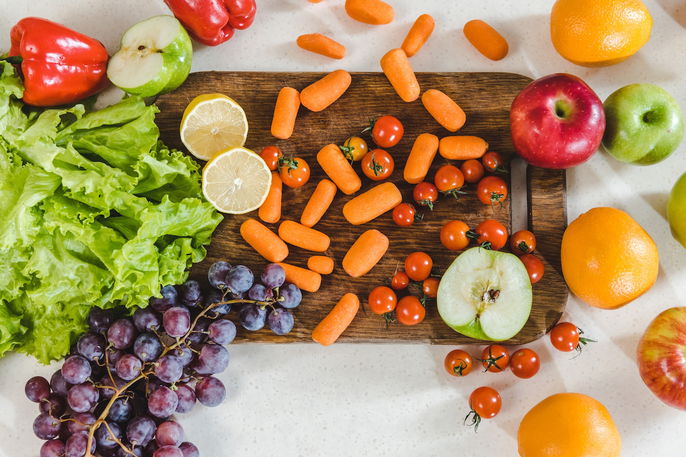
Once pain subsides, you should opt for foods that are low in fat and high in water content. Recommended foods include:
-
Fruit: Apples, pears, peaches, pineapple, watermelon, strawberries, oranges, kiwi, figs, cherries, blackberries, melon, or raspberries.
-
Vegetables: Particularly boiled veggies.
-
Oats and whole grains: Whole wheat pasta, rice, and bread (introduce fiber slowly to avoid bloating).
-
Tubers: Potatoes, yams, and sweet potatoes.
-
Dairy: Skim milk and fat-free dairy products, depending on tolerance.
-
Plant-based drinks: Rice milk, almond milk, or oat milk (check labels for added oil).
-
Lean meat: Skinless chicken, white fish, and turkey.
-
Drinks: Water, natural juices, and teas.
Patients are advised to consume thermally processed foods to facilitate gastric hydrolysis. Steam or boil vegetables to break down cellulose fibers and reduce digestive workload; avoid raw consumption during acute flare-ups. These cooking methods usually do not require the addition of fat.
What to avoid eating
Lipid intake must be strictly restricted (<30g/day) during acute phases. Dietary fats stimulate the release of Cholecystokinin (CCK), which riggers gallbladder contraction, and leads to pain. Examples of food to avoid include:
-
Fatty fruits: Coconut and avocado.
-
Whole milk and yogurt: Includes cream and full-fat cheese.
-
Yellow cheese: Parmesan, cheddar, and processed cheeses.
-
Butter or animal fat: Lard, ghee, or tallow.
-
Fatty cuts of meat: Ribs, sausage, organ meat, or dark meat poultry.
-
Cold cuts: Prosciutto, salami, or mortadella.
-
Nuts: Walnuts, chestnuts, almonds, or peanuts.
-
Fatty fishes: Tuna, salmon, and sardines.
-
Processed foods: Chocolate, cookies, puff pastry, meat-based broths, and premade sauces.
In addition, you should avoid eating frozen and pre-made meals, like pizza and lasagna, as well as fast food and alcohol. You should read nutritional labels and opt for choices that are lower in fat.
Complementary therapies
While some sources suggest "flushes," medical consensus warns against these practices. Systematic reviews reject "gallbladder flushes" (olive oil/lemon juice) as ineffective and potentially dangerous, as they may induce pancreatitis. The "stones" passed are often saponified soaps formed by the oil and gastric acid, not biliary calculi.
Meal plan
The following protocols are split into Phase 1 (Acute) for days when symptoms are present, and Phase 2 (Maintenance) for stability.
The quantities indicated in this meal plan will vary with age, sex, health history, and activity level. Ideally, you should see a registered dietitian for a more thorough assessment so that a customized nutritional plan that meets your health needs can be developed.
Gallbladder diet after a flare-up
Following a gallbladder flare-up, your diet should remain healthy and balanced. Ideally, it should include fresh fruits and vegetables, legumes, grains, tubers, and lean proteins. Additionally, it is important to avoid excess fat, ultra-processed foods, and alcoholic beverages.
Contraindications: High-fiber foods (such as cruciferous vegetables and legumes) should be introduced gradually. Rapid reintroduction can cause gas and bloating, which mimics biliary pain and can complicate diagnosis.
The diet should be adapted gradually according to individual tolerance, avoiding long periods of fasting and heavy meals. If symptoms or any questions arise during this time, it is essential to consult a doctor or dietitian to receive personalized guidance and ensure a safe and effective recovery.
When to seek emergency care
Do not ignore severe symptoms. Proceed to the ER if you experience:
-
Fever accompanied by abdominal pain.
-
Jaundice (yellowing of the skin or whites of the eyes).
-
Chills or uncontrollable shaking.
-
Pain that does not subside after 4 to 6 hours.
Prompt clinical evaluation is essential to rule out complications such as acute cholecystitis, cholangitis, or pancreatitis and to prevent the progression of infection.