


Eating certain foods can naturally help reduce high blood pressure. Coconut water, yogurt, and prunes, for example, are great options because they contain plenty of potassium, a mineral that helps the body get rid of excess sodium through urine. Lower sodium levels make it easier for blood to flow, which helps keep pressure under control.
Other foods like green tea, pomegranate, turmeric, beetroot, and cocoa are packed with antioxidants and anti-inflammatory compounds. These nutrients support healthy arteries, improve blood circulation, and reduce strain on the heart.
Including these foods regularly as part of a balanced diet can make a real difference in maintaining healthy blood pressure levels.
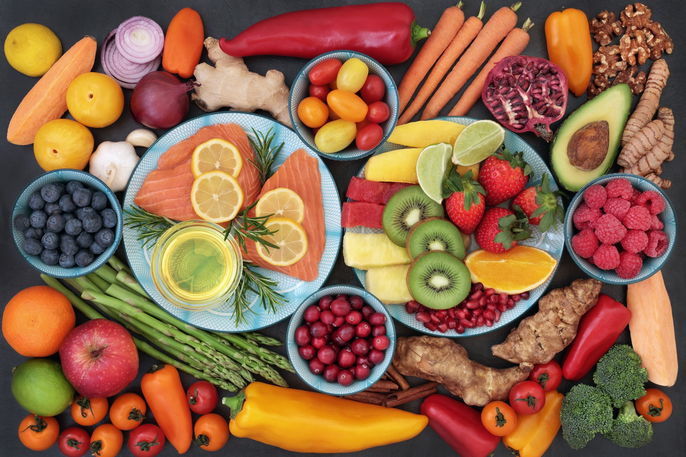
Food list
Here are some foods that can help control and lower blood pressure naturally:
1. Pomegranate
Pomegranate is rich in antioxidants such as flavonoids and tannins, which help relax blood vessels and reduce inflammation, making it a heart-healthy fruit.
How to eat: Enjoy it fresh at breakfast, as a snack, or as dessert. It can also be added to smoothies, salads, teas, or yogurt.
Caution: Avoid eating the peel or stem, as they can be toxic. Pomegranate may irritate the stomach in people with gastritis, and children under 2 years old shouldn’t eat it. Pregnant and breastfeeding women should talk to their doctor before consuming it.
2. Coconut water
Coconut water contains potassium, which helps relax arteries and remove sodium from the body. This promotes better blood flow and helps lower blood pressure.
How to drink: Drink up to 3 cups per day, preferably with meals.
Caution: People with diabetes should limit intake to 1 cup per day, and those with kidney disease should check with their doctor before drinking coconut water regularly.
3. Green tea
Green tea is full of antioxidants like catechins and flavonoids that support blood vessel health and help improve circulation.
How to drink: Up to 3 cups per day, either before or after meals.
Caution: Drinking too much may cause nausea, insomnia, or irregular heartbeat. It’s not recommended for people with thyroid, kidney, or stomach issues, nor for children, pregnant, or breastfeeding women.
4. Pumpkin seeds
Pumpkin seeds are high in potassium, which helps eliminate sodium and supports normal blood pressure levels.
How to eat: Eat them roasted, whole, or ground. They can be sprinkled over salads, soups, or yogurt.
Caution: Too many can cause gas or diarrhea. They’re calorie-dense, so eat them in moderation, especially if you’re trying to lose weight. People with kidney problems should seek medical advice before eating them regularly.
5. Cocoa
Cocoa is packed with antioxidants and compounds that increase nitric oxide, a molecule that helps relax blood vessels and improve circulation.
How to eat: You can eat the raw fruit or add unsweetened cocoa powder to milk, yogurt, or fruit. Dark chocolate (at least 70% cocoa) is also a good choice, about 1.5 oz (40 g) per day is enough.
Caution: Avoid cocoa if you have reflux, gastritis, or trouble sleeping. Pregnant women should limit intake because of its caffeine content.
6. Prunes
Prunes are an excellent source of potassium, helping the body flush out sodium and prevent spikes in blood pressure.
How to eat: Eat one prune per day, as part of a meal or snack.
Caution: They’re high in natural sugars and calories, so diabetics and those watching their weight should eat them in moderation. Too many can cause bloating or diarrhea.
7. Grapes
Grapes, especially purple ones, are rich in resveratrol and other antioxidants that help relax blood vessels and lower blood pressure.
How to eat: Eat up to 10 grapes per day, preferably with the skin. You can also add them to salads, juices, or yogurt.
Caution: People with diabetes or kidney disease should consume them in moderation due to their sugar and potassium content.
8. Yogurt
Low-fat yogurt provides calcium, which supports heart muscle function and helps maintain healthy blood pressure. It’s also a source of potassium, which helps flush out sodium.
Also recommended: 9 Greek Yogurt Benefits & How to Make at Home (Plus Recipes) tuasaude.com/en/greek-yogurt-benefitsHow to eat: Choose plain, low-fat, unsweetened yogurt. Eat it at breakfast or as a snack, alone or with fruit.
Caution: People with lactose intolerance should choose lactose-free options. Those with kidney issues should consult their doctor before consuming it regularly.
9. Turmeric
Turmeric contains curcumin, an antioxidant compound that promotes arterial relaxation and improves circulation.
How to eat: Use fresh or powdered turmeric in soups, stews, juices, or teas. The general guideline is up to 3 mg per kg of body weight per day.
Caution: High amounts can irritate the stomach. Avoid turmeric if you have gallstones or take blood thinners. Pregnant or breastfeeding women should talk to their doctor before using it.
10. Flaxseeds
Flaxseeds are rich in omega-3 fatty acids, which reduce inflammation, lower cholesterol, and improve artery function.
How to eat: Eat 1 tablespoon per day of ground or powdered flaxseed, added to yogurt, smoothies, or baked goods.
Caution: Excess intake may cause gas or diarrhea.
11. Ginger
Ginger contains compounds that help relax blood vessels, improve circulation, and support heart health.
How to eat: Consume up to 5 g daily, fresh or dried, in teas, juices, or as a seasoning for dishes.
Caution: Too much ginger can cause heartburn, diarrhea, or irregular heartbeat. It’s not suitable for people with gallstones, bleeding disorders, or those taking blood thinners. Pregnant women should limit use to 1 g per day and avoid it near labor.
12. Beets
Beets contain nitrates that convert to nitric oxide, helping blood vessels relax and promoting circulation.
How to eat: Eat raw or cooked beets in salads, juices, or spreads.
Caution: People prone to kidney stones should limit intake, as beets are high in oxalates. Diabetics should eat them in moderation since they can raise blood sugar levels.
13. Garlic
Garlic has a natural blood pressure-lowering effect. It improves circulation and helps prevent clot formation.
How to eat: Eat one raw clove per day. Crush or chop it and let it sit for 10 minutes before consuming. It can also be added to sauces, salads, or cooked dishes.
Caution: Too much raw garlic can cause stomach upset, cramps, or headaches. Avoid during post-surgery recovery or if you’re on blood-thinning medication.
14. Blueberries
Blueberries are rich in anthocyanins, powerful antioxidants that help regulate blood flow and protect blood vessels.
How to eat: Eat ⅔ to 1 cup per day. They can be eaten fresh, added to yogurt, or used in smoothies or baked goods.
Caution: People taking anticoagulant medications should check with a doctor before eating large amounts, as blueberries contain vitamin K. They can also lower blood sugar, so those with hypoglycemia should be cautious.