


Fatty liver (hepatic steatosis) is the buildup of fat in the liver. It’s a common condition that can cause pain on the right side of the abdomen, abdominal bloating, nausea, vomiting, and a general feeling of being unwell.
This buildup of fat in the liver appears to happen mainly due to a high-fat diet, but it can also occur in people who drink alcohol excessively.
If you have symptoms that suggest fatty liver, you should see a hepatologist to check liver function and start appropriate treatment, which typically includes dietary changes and regular physical activity.
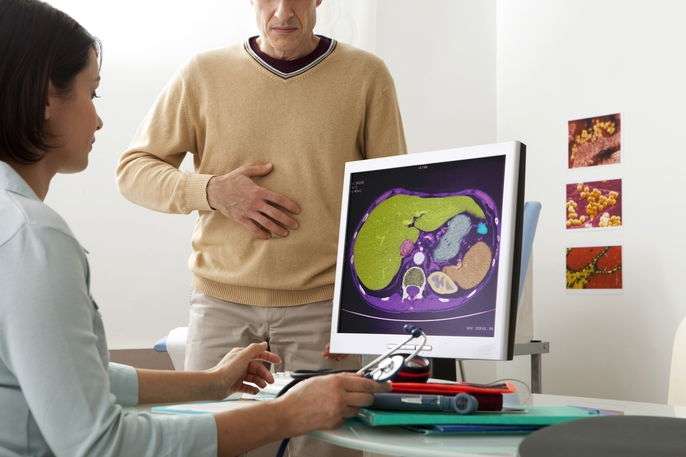
Fatty liver symptoms
The main symptoms of fatty liver include:
-
Pain in the upper right side of the abdomen;
-
Unexplained weight loss;
-
Fatigue and general malaise;
-
Nausea and vomiting.
In the early stages, fatty liver often causes no symptoms and is frequently found incidentally during tests ordered for other reasons.
If cirrhosis develops, other symptoms may appear, such as yellowing of the skin and eyes, itching, and swelling in the abdomen, legs, and ankles.
Read more about fatty liver symptoms.
Confirming a diagnosis
A primary care provider, gastroenterologist, or hepatologist (liver specialist) can diagnose fatty liver based on an evaluation of symptoms, medical history, lifestyle habits, and a physical exam.
Your provider may also order blood tests to check levels of substances produced by the liver.
If results are abnormal, suggesting the liver isn’t working well, additional tests may be recommended, such as abdominal ultrasound, CT scan, liver elastography, MRI, or a liver biopsy.
Keep in mind that fatty liver does not always change blood test results, which can delay diagnosis until an ultrasound is performed to investigate other issues.
Fatty liver grades
Stages of fatty liver are classified based on severity of the disease and include the following grades:
-
Grade 1 (mild): A slight buildup of fat in the liver, generally affecting about 30% of liver cells;
-
Grade 2 (moderate): A moderate buildup of fat, affecting up to 60% of liver cells;
-
Grade 3 (severe): A large accumulation of fat in the liver.
The grade of fatty liver disease is typically first identified with an abdominal ultrasound, but other tests are needed to check for liver inflammation and possible lesions.
Possible causes
The exact causes of fatty liver aren’t fully understood. It’s believed to relate to an imbalance between how much fat the body consumes and produces versus how much it uses and eliminates.
This imbalance may be linked to genetic, nutritional, and environmental factors.
Risk factors
Some factors may increase the risk of fatty liver, including:
-
Frequent, excessive alcohol intake;
-
Obesity;
-
Type 2 diabetes;
-
High blood pressure;
-
High cholesterol;
-
Age over 50;
-
Smoking;
Bariatric surgery and other rapid weight-loss procedures can also increase the risk of fatty liver due to metabolic changes from quick weight loss.
However, fatty liver can also occur in people with no risk factors and may even affect children and pregnant women. Learn more about what causes fatty liver.
Treatment options
Treatment for fatty liver focuses on dietary changes, regular physical activity, and completely avoiding alcohol. See an example of a diet for fatty liver.
It’s also important to lose excess weight and control conditions that can worsen fatty liver, such as diabetes, high blood pressure, and high cholesterol.
There are no specific medications approved to treat fatty liver, but doctors may recommend the hepatitis B vaccine to help protect the liver from additional disease.
Some herbal teas are sometimes used as complementary options, such as milk thistle tea or artichoke tea. Always speak with a healthcare provider before using any herbal product, and do not use them in place of medical treatment.