


- Seek medical care if anal bleeding is heavy, keeps happening, or comes with severe pain.
- A painful lump, worsening swelling, or redness in the anal area should be evaluated by a healthcare provider.
- Symptoms that do not improve with treatment or get worse over time may need medical attention.
External hemorrhoids are swollen veins around the anus that can cause pain, itching, bleeding during bowel movements, and small lumps. These symptoms can vary in intensity and may worsen with sitting or straining.
External hemorrhoids are often caused by excessive straining during bowel movements and are common in people with chronic constipation. They can also be linked to pregnancy, obesity, a sedentary lifestyle, or standing for long periods.
External hemorrhoids can be identified based on symptoms and confirmed by a healthcare provider during a physical exam. Treatment may include medications, ointments, dietary changes, sitz baths, or, in some cases, surgery.
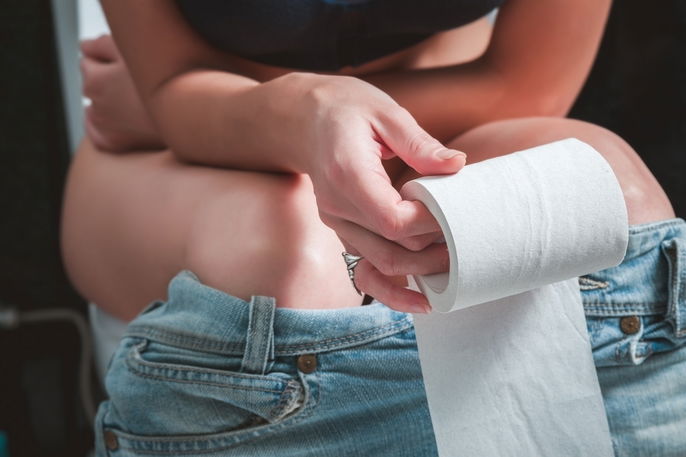
Main symptoms
The main symptoms of external hemorrhoids are:
-
Sharp anal pain that gets worse during bowel movements and while sitting.
-
Anal itching and burning due to mucus and small traces of stool.
-
Feeling one or more lumps or small bumps in the anus.
-
Minor bleeding after straining during a bowel movement.
-
Inflammation and redness in the anal area.
In most cases, external hemorrhoids bleed because the vein becomes irritated as stool passes or when the area is wiped with toilet paper.
After a bowel movement, the area should be gently washed with soap and water to help relieve symptoms and support healing.
Confirming a diagnosis
The diagnosis of external hemorrhoids should be made by a primary care provider or colorectal surgeon through an examination of the anal area, where swollen veins may be visible.
Main causes
External hemorrhoids can be caused by:
-
Excessive straining during bowel movements
-
Chronic constipation
-
Obesity
-
Pregnancy and childbirth
-
Regularly lifting or carrying heavy weight
-
Sitting for extended periods of time
In these situations, pressure in the abdomen usually increases, which can cause the veins in the anal area to swell and lead to external hemorrhoids.
In addition, external hemorrhoids are more common in older adults, people who stand for long periods, people with a sedentary lifestyle, those who have chronic diarrhea or constipation, and those with a family history of hemorrhoids.
Treatment options
Treatment for external hemorrhoids should be recommended by a primary care provider or colorectal specialist and may include:
1. Medications
To reduce inflammation more quickly, the provider may recommend oral medications with pain-relieving and anti-inflammatory effects, such as acetaminophen and ibuprofen. These can help relieve pain and swelling.
Medicines to make bowel movements easier and help prevent symptoms from getting worse may also be recommended, such as docusate or polyethylene glycol.
2. Ointments
To reduce pain, discomfort, and inflammation in the anal area, a provider may recommend ointments with pain-relieving and anti-inflammatory effects.
3. Dietary changes
Dietary changes are recommended to help treat external hemorrhoids by making bowel movements easier and allowing the swollen veins to return to normal.
It is recommended to increase fiber intake by eating more fruits and vegetables and to drink more water during the day.
According to the National Institute of Diabetes and Digestive and Kidney Diseases, eating high-fiber foods can make stools softer and easier to pass, which can help treat and prevent hemorrhoids.
It is also important to get guidance from a registered dietitian, who can recommend dietary changes based on each person’s specific needs.
4. Sitz baths
Sitz baths is used to relieve pain and swelling in the area. It consists of sitting in a basin or tub with warm water for a few minutes at a time.
According to the American Society of Colon and Rectal Surgeons, warm tub baths, or sitz baths, taken for 10 to 20 minutes a few times per day may help support the healing process and relieve mild hemorrhoid symptoms.
5. Surgery
Surgery for external hemorrhoids may be recommended in some cases, especially when the hemorrhoid does not improve with initial treatment. It does not always involve removing the hemorrhoid, which is called a hemorrhoidectomy.