


The concept of the endomorph body type originated in the 1940s when psychologist William Herbert Sheldon introduced the somatotype classification system. He described three main categories (endomorph, mesomorph, and ectomorph) based on embryonic development layers and body composition traits.
Endomorphs were characterized as having rounder, softer bodies with higher fat storage, wider waists, and shorter limbs. This body type was originally defined on Sheldon's somatotype scale as 7-1-1, indicating high endomorphy with minimal mesomorphy and ectomorphy.
Today, research acknowledges that most individuals show a mix of traits, rather than fitting a single somatotype. However, endomorphs generally share slower metabolisms, greater carbohydrate sensitivity, and higher fat accumulation tendencies, which makes weight loss more challenging compared to other body types.
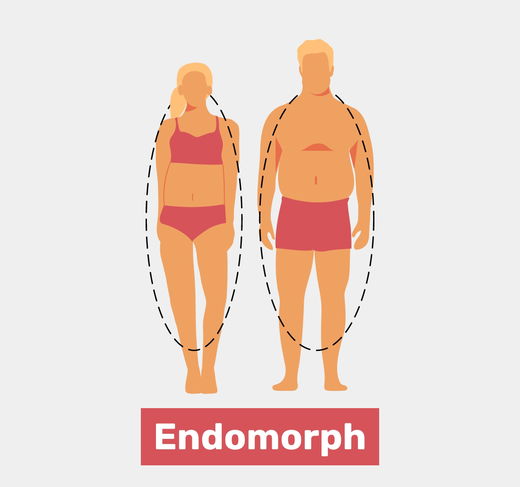
Body type characteristics
Characteristics of an endomorph body type include:
- Shorter stature or height
- Wider or rounder frame
- Higher percentage of body fat
- Women tend to have a curvier, pear-shaped body
People with an endomorph body type can easily put on muscle mass, but have an overall slower metabolism, higher tendency for fat accumulation and more difficulty with weight loss. Read more about the different body types and how they differ.
Best exercises for endomorphs
Studies show that endomorphs benefit most from a combined approach of strength training, cardio, and high-intensity interval training (HIIT) .
-
Strength training: 3–4 sessions per week with compound exercises such as squats, deadlifts, and bench presses, using moderate to heavy weights for 6–10 reps. This builds lean muscle and increases resting metabolic rate .
-
Cardio: 2–3 sessions per week of moderate-intensity activities like brisk walking, cycling, swimming, or elliptical workouts to improve heart health and increase calorie burn .
-
HIIT: 2–3 weekly sessions alternating short bursts of intense effort with recovery periods. HIIT enhances fat loss and raises post-exercise calorie burn .
For optimal results, experts recommend 5–6 total training sessions per week, each lasting 45–60 minutes, with added focus on daily non-exercise activity (NEAT) .
Endomorph diet tips
Research suggests that endomorphs benefit from specific macronutrient distributions: around 30–35% of calories from protein, 25–30% from carbohydrates, and 35–40% from fat . This balance helps regulate insulin sensitivity and promotes lean muscle retention.
-
Emphasize lean proteins: 1.2–2.0 g of protein per kg of body weight supports muscle mass and satiety. Sources include poultry, fish, eggs, and legumes
-
Choose complex carbohydrates: Low-glycemic vegetables, legumes, and whole grains help stabilize blood sugar and reduce fat storage
-
Incorporate healthy fats: Avocados, nuts, olive oil, and fatty fish aid hormone regulation and satiety
-
Limit processed foods: Avoid added sugars, refined carbs, and processed snacks that can lead to excess fat gain
These principles align with evidence that higher protein and lower carbohydrate diets improve weight loss outcomes in individuals with slower metabolic rates.
See this list of high protein foods that you can incorporate into your daily diet.
Meal plan for weight loss
A diet plan targeted for weight loss should contain less calories. A low-carb diet is a good option for endomorphs, as it helps to ward off hunger for longer periods (which will help with weight loss).
With a low-carb diet, it is important to prioritize foods with healthy fats, lean proteins, fruits and vegetables and whole wheat grains. Thermogenic foods, like cacao and green tea, will also boost metabolism and help with weight loss. Check-out other detox drinks that can help to stimulate weight loss.
The following table contains a 3-day plan of a low-carb diet for an endomorph body type:
This plan is merely an example. The quantities of food presented can vary depending on personal preferences and individual health. Therefore, it is best to consult a dietitian to develop a diet plan that is personalized to you and your goals.
Meal plan for muscle gain
A diet that targets muscle gain for an endomorph body type should prioritize the consumption of natural foods like fruits, vegetables and whole grains. You should consume about 1.6g of lean protein for every kilogram (or 2.2lb) of body weight. This protein should be evenly distributed at every meal. Learn more about diets for muscle gain.
The following table shows a 3-day plan for endomorph body types looking to increase muscle mass. You can also check out the diet and exercise suggestions for ectomorph and mesomorph body types.
This plan is merely an example. The quantities of food presented can vary depending on personal preferences and individual health. Therefore, it is best to consult a dietitian to develop a diet plan that is personalized to you and your goals.
It's important to note that factors like healthy sleep habits, regular physical activity and adequate hydration (e.g. 1.5 L or about 6 cups of water per day) also play a role in gaining muscle. Check out other tips for muscle gains that you can combine with this diet.
Also recommended: 10 Best Supplements for Muscle Growth (& How to Use) tuasaude.com/en/best-supplements-for-muscle-growthFoods that an endomorph should avoid
Whether your objective is to lose weight or to gain muscle mass, endomorph body types should avoid the consumption of some foods that will prevent them from reaching their goals. Foods to avoid include:
- Foods with high sugar content, like candy, ice cream, cookies or cake
- Processed foods, like ready-made sauces, fast food, or instant noodles
- Refined grains, like white bread, white pasta or white rice
- Foods with high fat content, like fried fat content, pizza, chips, bacon or salami
It is also important to avoid alcohol (e.g. beer, sparkling drinks, wine), especially at meals, as these drinks contain high calories. You should also avoid high calorie snacks.