


- Elephantiasis is a mosquito-borne parasitic infection that can block lymphatic vessels and lead to long-term swelling in the legs, arms, scrotum, or breasts.
- Diagnosis often relies on symptom review plus lab testing, with nighttime blood tests and sometimes ultrasound to help detect the parasite.
- Seek medical care promptly for high fever or chills, rapidly worsening swelling, severe pain, or signs of infection at the bite site (abscess, redness, or increasing tenderness).
Elephantiasis is a chronic parasitic disease most often caused by the nematode Wuchereria bancrofti. It affects the lymphatic vessels and can lead to swelling in areas like the arms, legs, scrotum, or breasts.
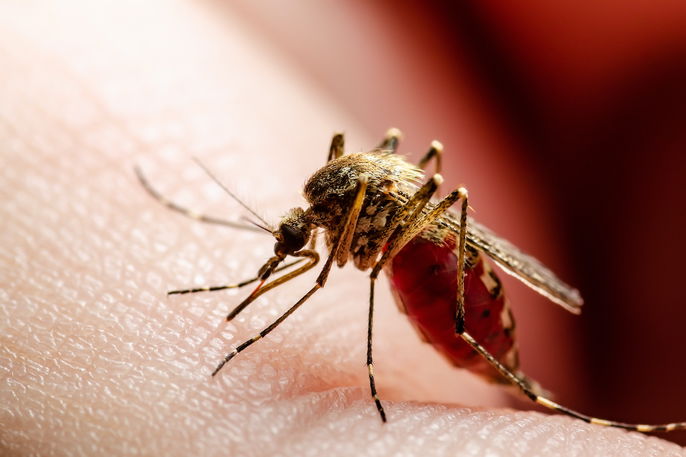
It spreads through the bite of infected Culex mosquitoes, which can carry worm larvae. During the bite, larvae can enter the bloodstream.
Treatment is managed by an infectious disease specialist or a primary care provider and is aimed at eliminating the parasite. Care may also focus on reducing lymphatic blockage and related swelling.
Common symptoms
The main symptoms of elephantiasis are:
-
High fever or chills;
-
Headache or general malaise;
-
Abscess, lump, swelling, or pain at the bite site;
-
Swelling of limbs, such as the legs, arms, breasts, testicles, or scrotum;
-
Fluid buildup around the testicles (hydrocele).
Symptoms may appear several months after infection and happen as the parasite’s larvae develop and spread through the body.
Over months to years, if the infection is not properly treated, adult worms can contribute to scarring and blockage in the lymphatic vessels.
This blockage reduces lymph flow and can cause fluid to build up in affected areas, leading to chronic swelling and thickened skin. This “elephant-like” appearance is where the condition gets its name.
Confirming a diagnosis
Diagnosis is made by an infectious disease specialist or a primary care provider based on symptoms, a physical exam, and lab testing.
Blood tests are typically requested, preferably at night. According to the CDC, higher levels of microfilariae (the tiny, early-stage worms) are present in the bloodstream during that time, which can make detection easier.
An ultrasound of the lymphatic vessels or the scrotum may also be ordered, since it can help identify the parasite in these areas.
Transmission and spread
According to the World Health Organization (WHO), infection occurs when filarial parasites are transmitted to humans through mosquitoes. Transmission happens when a Culex mosquito infected with the nematode Wuchereria bancrofti bites a person.
During the bite, L3 larvae enter the bloodstream and are carried to the lymphatic vessels, where they mature into adult worms and release new larvae into the blood and lymphatic circulation.
Is elephantiasis contagious?
A person infected with Wuchereria bancrofti does not pass the parasite directly to other people through skin-to-skin contact.
However, if a mosquito bites an infected person, it can become infected and then transmit the parasite to other people through future bites.
Treatment options
Treatment should be guided by an infectious disease specialist or a primary care provider and aims to eliminate the parasite and relieve lymphatic vessel blockage.
The main treatments for elephantiasis are:
1. Medications
Medications are used to kill filarial larvae and help prevent complications.
The main medication used is diethylcarbamazine, taken by mouth after diagnosis is confirmed and the parasite species is identified.
2. Surgery
In some cases, surgery may be needed to remove remnants of adult worms and calcifications in the lymphatic system, which can improve lymphatic drainage and reduce symptoms.
Surgery may also be recommended to treat fluid buildup in the scrotum, helping relieve pain and swelling.
3. Compression stockings
For chronic elephantiasis in the legs, a clinician may recommend elevating the legs or using elastic compression stockings.
Good skin hygiene is also important, with frequent washing using soap and water and careful drying, to help prevent infections.
Prevention measures
Prevention focuses on reducing contact with transmitting mosquitoes through measures such as:
-
Using a bed net for sleeping;
-
Installing screens on windows and doors;
-
Avoiding standing water in places like tires, bottles, and plant pots;
-
Using insect repellent daily;
-
Avoiding areas with many flies and mosquitoes.
Public health measures also play a role in controlling flies and mosquitoes, including insecticide spraying and basic sanitation efforts.