


Homemade face scrubs help unclog pores and keep the skin healthy and clean. The ingredients used in these natural exfoliants remove dead skin cells, cleanse the pores, and stimulate cell renewal, leaving the face looking fresh and smooth.
To achieve the best results, exfoliation should be done once or twice a week using gentle circular motions to avoid irritating the skin. Afterward, rinse your face with cold water and pat it dry with a soft towel.
Before applying any DIY face scrub, it’s important to perform a patch test. Apply a small amount to the back of your hand and wait for 15 minutes. If the skin becomes red or irritated, avoid using the scrub. People who are allergic to pollen, honey, or propolis should not use DIY face scrubs that contain honey.
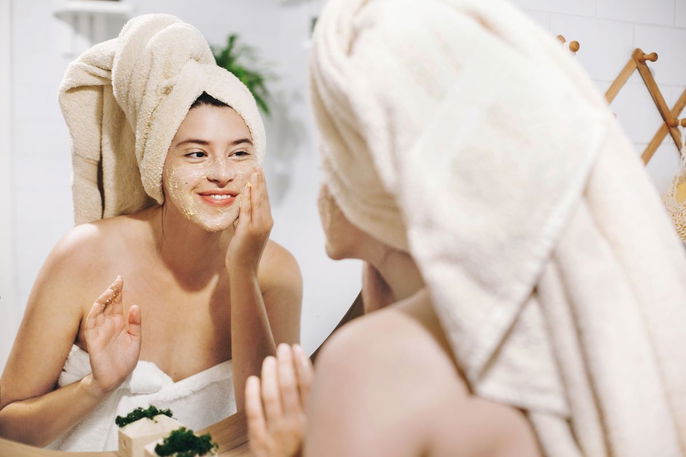
Exfoliating scrubs
Here are some simple and effective homemade face scrubs you can prepare using natural ingredients.
1. Honey and cinnamon face scrub
This honey and cinnamon DIY face scrub is great for oily skin, as it helps clean pores, remove blackheads, and reduce excess oil.
Cinnamon has antibacterial, antioxidant, and anti-inflammatory properties that help fight acne, making this an excellent natural exfoliant for oily or acne-prone skin. However, it should not be used by people who are allergic to pollen, honey, or propolis.
Ingredients:
-
3 Tbsp organic honey;
-
1 Tbsp ground cinnamon.
How to make:
Combine the ingredients in a clean, dry bowl and mix until smooth. Apply the paste to clean skin and gently massage in circular motions for about 3 minutes.
Rinse with cold water and pat dry with a soft towel. This diy face scrub can be used once a week.
2. Cornmeal and coconut oil face scrub
This DIY face scrub made with cornmeal and coconut oil deeply cleanses the skin, removes dead skin cells, and promotes cell renewal. It also helps hydrate the skin, making it a good choice for oily skin.
Ingredients:
-
1 Tbsp cornmeal;
-
1 Tbsp coconut oil.
How to make:
Mix the ingredients in a clean, dry container until smooth. Apply to your face in circular motions, then rinse with warm water and gently pat dry with a soft towel.
3. Sugar and yogurt face scrub
The sugar and yogurt DIY face scrub helps exfoliate and hydrate the skin, removing dead skin cells and leaving the face softer and smoother.
Ingredients:
-
3 tsp white refined sugar;
-
½ cup of plain yogurt.
How to make:
Mix the ingredients in a clean, dry bowl until you get a smooth consistency. Let it sit for 5 minutes, then apply to clean skin and massage in upward circular motions for 5 to 10 minutes.
Rinse thoroughly with cold water. This scrub can be used once or twice a week and should be prepared just before use. Discard any leftover mixture.
4. Oats and yogurt face scrub
This oats and yogurt DIY face scrub deeply cleanses the skin, removes dead cells, and provides hydration, helping the skin stay healthy. It’s especially good for oily skin or those prone to blackheads and pimples.
Ingredients:
-
2 Tbsp oat bran or oat flour;
-
3 Tbsp plain yogurt.
How to make:
Combine the oats and yogurt in a clean bowl until they form a paste. Apply to a clean, dry face using light circular motions and leave on for 10 minutes.
Rinse with cold water and mild soap to remove all residue. Use once a week and prepare fresh each time, discarding any leftovers.
5. Honey and brown sugar face scrub
The honey and brown sugar DIY face scrub removes dead skin cells, unclogs pores, and hydrates the skin while promoting cell renewal. It’s particularly helpful for oily skin but should be avoided by those allergic to honey, pollen, or propolis.
Ingredients:
-
1 Tbsp honey;
-
1 Tbsp brown sugar.
How to make:
Mix the ingredients in a clean, dry bowl until they form a paste. Apply gently to your face using circular motions and leave on for up to 10 minutes.
Rinse with cold water. This DIY face scrub can be used one to two times per week. For people allergic to honey, you can replace it with plain yogurt.
6. Sugar and jojoba oil face scrub
The sugar and jojoba oil DIY face scrub helps remove dead skin cells, promote renewal, and prevent blackheads. It also hydrates the skin, making it suitable for oily skin types.
Ingredients:
-
3 Tbsp jojoba oil;
-
3 Tbsp white refined sugar.
How to make:
Mix the oil and sugar until you get a smooth paste. Apply to a clean, dry face, massaging in circular motions for 10 to 15 minutes.
Rinse with cold water and mild soap. For best results, use this scrub two to three times a week.
7. Green clay and chamomile face scrub
This DIY face scrub made with green clay and chamomile helps remove dead cells, hydrate the skin, and restore a fresh, revitalized appearance. Green clay has antioxidant properties, while chamomile tones and soothes the skin.
Ingredients:
-
2 Tbsp of green clay;
-
1 cup of chilled chamomile tea.
How to make:
Mix the ingredients until smooth. Apply evenly over the face and leave on for about 20 minutes.
Rinse with cold water while gently massaging in circular motions. Use once a week.
8. Coffee face scrub
The coffee DIY face scrub has antioxidant, emollient, and moisturizing properties. It helps remove impurities and reduce oiliness, leaving the skin fresh and soft.
Ingredients:
-
2 Tbsp warm water;
-
1 Tbsp coffee grounds or instant coffee.
How to make:
Mix the ingredients until a smooth paste forms. Apply to your face using gentle circular motions for one minute, then rinse with cold or warm water to remove all residue.
Care instructions
Certain steps can help maintain healthy and hydrated skin before and after using a DIY face scrub. These include:
-
Washing your face with warm water and a mild soap before and after exfoliating to remove all residue;
-
Patting your face dry with a soft towel and avoiding rubbing the skin harshly;
-
Applying sunscreen daily to prevent dark spots or sun damage;
-
Massaging gently in circular motions, especially around sensitive areas like the eyes;
-
Keeping your skin moisturized by avoiding heavy creams that can clog pores. Lightweight serums are a good option, as they absorb quickly and leave a smooth finish.
Natural exfoliants are excellent for removing impurities, stimulating regeneration, and promoting the growth of new skin cells.
However, if you notice redness, irritation, or increased oiliness after exfoliating, it’s best to consult a dermatologist to determine the most suitable skincare routine for your skin type.