


A diverticulitis diet plays an important role in reducing inflammation and promoting intestinal recovery during flare-ups. It usually begins with clear, easy-to-digest liquids like chicken broth, fruit juice, coconut water, and gelatin to help rest the intestines and reduce stool formation.
Diverticulitis occurs when small pouches in the intestinal wall, called diverticula, become inflamed or infected. This condition can cause abdominal pain, nausea, vomiting, and constipation, which is why a low-fiber and easily digestible diet is recommended in the early stages.
As symptoms improve, the diverticulitis diet should gradually progress from liquids to pureed and then solid foods. Once recovery begins, reintroducing fiber-rich foods and drinking plenty of water is essential to prevent new flare-ups and maintain bowel health.
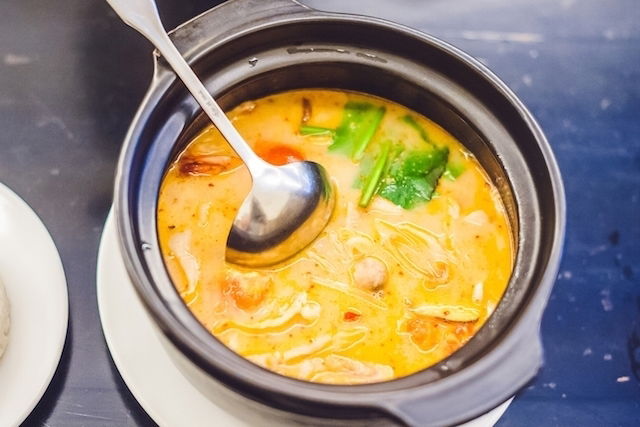
Food to eat
During a diverticulitis flare-up, it is recommended to follow a restricted liquid diverticulitis diet, which may include:
-
Water and clear teas
-
Strained light fruit juices, such as apple, pear, or cashew juice
-
Strained vegetables or leafy green broth
-
Strained broth made with lean meats
-
Small amounts of vegetable oils, such as olive or corn oil
-
Gelatin
A restricted liquid diverticulitis diet is usually followed for up to 3 days. The goal is to let the intestines rest, reduce inflammation and discomfort, and support recovery.
As symptoms improve, the diet can be gradually expanded to include strained soups, blended broths, and smoothies made with milk or plain yogurt.
When the intestines begin to heal, soft foods can be added, such as mashed potatoes or carrots, well-cooked rice, shredded chicken or fish, and boiled eggs. These foods help the body transition back to a regular diet that includes fiber.
Foods to avoid during a diverticulitis flare-up
Certain foods should be avoided during a diverticulitis flare-up, including:
-
High-fiber foods, such as raw vegetables, fruit skins, seeds, and whole grains
-
Sugary foods and desserts, such as cakes, ice cream, and other sweets
-
Red and processed meats, such as beef, pork, hamburgers, and sausages
-
Gas-producing foods, such as milk, eggs, onions, potatoes, broccoli, cabbage, asparagus, cheese, and nuts
-
Certain drinks, such as soda and alcoholic beverages
-
Processed and fried foods, such as pizza, frozen or ready-to-eat meals, chips, fries, bottled sauces, and bouillon cubes
These foods can worsen inflammation in the diverticula and make symptoms more severe during a diverticulitis attack.
It is also important to rest, drink plenty of fluids, and follow your doctor’s advice. The doctor may recommend pain relievers and antibiotics to help control the infection and promote healing. Read more about diverticulitis treatment your doctor may prescribe.
Diet after flare-up
After a diverticulitis flare-up it's important to gradually include fiber-rich foods into your day-to-day diet. Start by having one fruit or raw vegetable a day, and then progress by adding more fruits and vegetables, or even some wholegrain cereals into your day. In addition, you will also need to increase your daily water intake to at least 2 liters a day.
Including fibers and drinking plenty of water is very important to avoid constipation and make feces softer. When feces are not soft and get compacted inside the bowels it can cause the diverticula to get inflamed or infected, leading to other flare-up.
Furthermore, it is important to consume probiotics, which are foods that naturally contain microorganisms that are beneficial for gut health. They are especially beneficial for people with diverticulitis, as they improve the immune system functioning, prevent intestinal inflammation and infection caused by pathogenic bacteria, and prevent future flare-ups.
Also recommended: 10 Probiotic Foods: Benefits & How to Consume Them tuasaude.com/en/probiotic-foodsMeal plan
The following table demonstrates an example of a four-day diet plan that is suitable for a diverticulitis flare-up:
Quantities included in this diet plan may vary according to age, gender, physical activity or current health status. Therefore you are advised to be assessed by a doctor or registered dietitian for a more customized plan that addresses all you nutritional needs.