


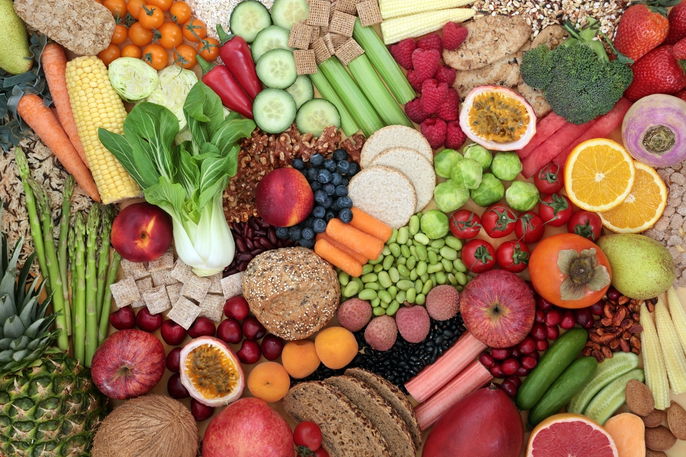
After gallbladder removal, the diet should be low in fat and rich in fruits, vegetables, and whole grains to help prevent discomforts like gas, abdominal pain, and diarrhea.
At first, the body has more difficulty digesting fats. For this reason, it’s important to choose lighter foods and avoid those high in fat, such as red meat, bacon, processed meats, butter, and fried foods.
As the weeks go by, the body adapts to the absence of the gallbladder, allowing a return to a more varied diet, always without overdoing fat intake.
What to eat in the first 7 days
During the first 7 days after surgery, meals should be easy to digest and served in small portions to reduce digestive effort.
Recommended options include:
-
Cooked vegetables, peeled and seedless, such as chayote, eggplant, carrots, green beans, zucchini, pumpkin, and beets
-
Peeled and seedless fruits, such as apples, pears, bananas, peaches, and papayas, preferably as unsweetened juice
-
Vegetable soups or broths with chicken or turkey
-
Mashed vegetables without milk or butter, such as potatoes, carrots, and sweet potatoes
-
Low-fat proteins, such as skinless chicken or turkey, shredded white fish, and tofu
-
Low-fat dairy, such as ricotta, light mozzarella, and cottage cheese
-
Plant-based beverages, such as soy, oat, or rice milk
-
Easily digestible carbohydrates, such as white rice, pasta, white bread, cream crackers, rice or corn cakes, and sugar-free gelatin
This diet can also help when diarrhea occurs as a side effect of surgery.
Sample meal plan for the first 7 days
The following table provides an overview of a possible meal plan you can start after gallbladder removal:
Portion sizes and food choices can vary depending on age, gender, physical activity level, or overall health status. Consulting a registered dietitian is recommended to tailor the plan to individual needs.
What to eat after day 7
Once pain and diarrhea improve, foods with higher fiber content and healthy fats can be gradually introduced.
Recommended foods include:
-
Low-fat proteins such as skinless chicken or turkey, white fish, eggs, tofu, and lean cuts of red meat
-
Fresh fruits with skin, such as apples, pears, bananas, papayas, peaches, oranges, watermelon, and strawberries
-
Raw and cooked vegetables, such as carrots, green beans, lettuce, arugula, tomatoes, beets, zucchini, eggplant, and cabbage
-
Starchy vegetables such as potatoes, cassava, yams, and sweet potatoes
-
Legumes such as lentils, beans, peas, and chickpeas
-
Whole grains such as oats, brown rice, whole wheat bread, or whole grain pasta
-
Low-fat dairy products such as ricotta, cottage cheese, and light cottage cheese
-
Plant-based beverages such as rice, soy, and oat milk
-
Mild herbal teas such as chamomile and lemon balm
It’s also important to have 5 to 6 small meals per day to aid digestion.
Some people may experience gas and bloating with certain high-fiber foods. In these cases, it’s best to avoid them until tolerance improves.
Sample diet plan after day 7
The following table provides an overview of a possible meal plan one week post-op from gallbladder removal:
Portions and types of foods should be adjusted according to age, gender, activity level, and health status. A dietitian can provide a complete evaluation and create a personalized eating plan.
What to avoid
During recovery, it’s best to avoid foods high in fat or those that may irritate the digestive system, such as:
-
Fatty red meats such as organ meats, bacon, sausages, chorizo, blood sausage, ham, canned meats, and fish in oil
-
Whole dairy products such as whole milk, full-fat yogurt, yellow cheeses, and butter
-
High-fat foods such as fried foods, chocolate, avocado (only in the initial phase), coconut, peanuts, walnuts, almonds, cashews, and ice cream
-
Ultra-processed foods such as cakes, pizza, sandwich cookies, pre-baked foods, and sweets
-
Spicy seasonings such as chili pepper, curry, paprika, and hot sauces like Tabasco
-
Alcohol and caffeinated drinks such as coffee, black tea, green tea, or yerba mate
Avoiding these foods helps prevent diarrhea, abdominal pain, nausea, and other digestive discomforts.
Some healthy fats, such as avocado, walnuts, almonds, and flax or chia seeds, can be gradually reintroduced if well tolerated.
Common questions
Some frequently asked questions regarding gallbladder removal diets include:
1. Can you eat cake after gallbladder surgery?
Yes, but the timing and ingredients should be guided by a dietitian. Cakes often contain sugar and fats, which can trigger symptoms like abdominal pain, gas, or diarrhea.
2. Can you eat eggs after gallbladder removal?
Eggs can be eaten in moderation and introduced gradually, depending on individual tolerance. Since eggs contain fat, they may cause stomach discomfort in some people. In the first weeks after surgery, it’s best to avoid them, especially the yolk.
Once digestive symptoms subside, boiled eggs can be reintroduced in small amounts, starting with the white. The yolk can be added later if tolerated.
Some studies suggest frequent egg consumption in the first months may increase the risk of post-cholecystectomy syndrome symptoms, especially in diets high in animal protein and cholesterol. A dietitian can advise on the best timing for reintroduction.
3. Can you drink coffee after gallbladder removal?
Coffee should be avoided, especially in the first days after surgery, as it increases stomach acid production and may cause gas and bloating.